 James Holloway
The “best time to eat protein” question has real answers — and the research has gotten a lot more precise in recent years. Protein timing affects muscle protein synthesis rates, recovery speed, and how effectively your body partitions nutrients. Here’s what matters and what doesn’t.
Does Protein Timing Actually Matter?
Yes — but less than total daily protein intake. If you’re not hitting your daily protein targets, timing won’t save you. But when total intake is adequate, strategic timing produces measurably better outcomes for muscle building and recovery.
The Anabolic Window: Real or Myth?
The “anabolic window” — the idea that you must consume protein within 30 minutes post-workout or miss the gains — was the dominant sports nutrition belief for years. More recent research has significantly widened this window. A comprehensive 2013 review by Schoenfeld, Aragon, and Krieger found the post-workout anabolic window extends to at least 3–4 hours after training — particularly if you ate a protein-containing meal 1–2 hours before training. The urgency of “immediately post-workout” applies primarily to fasted training.
Best Times to Eat Protein
1. Within 2 Hours After Training
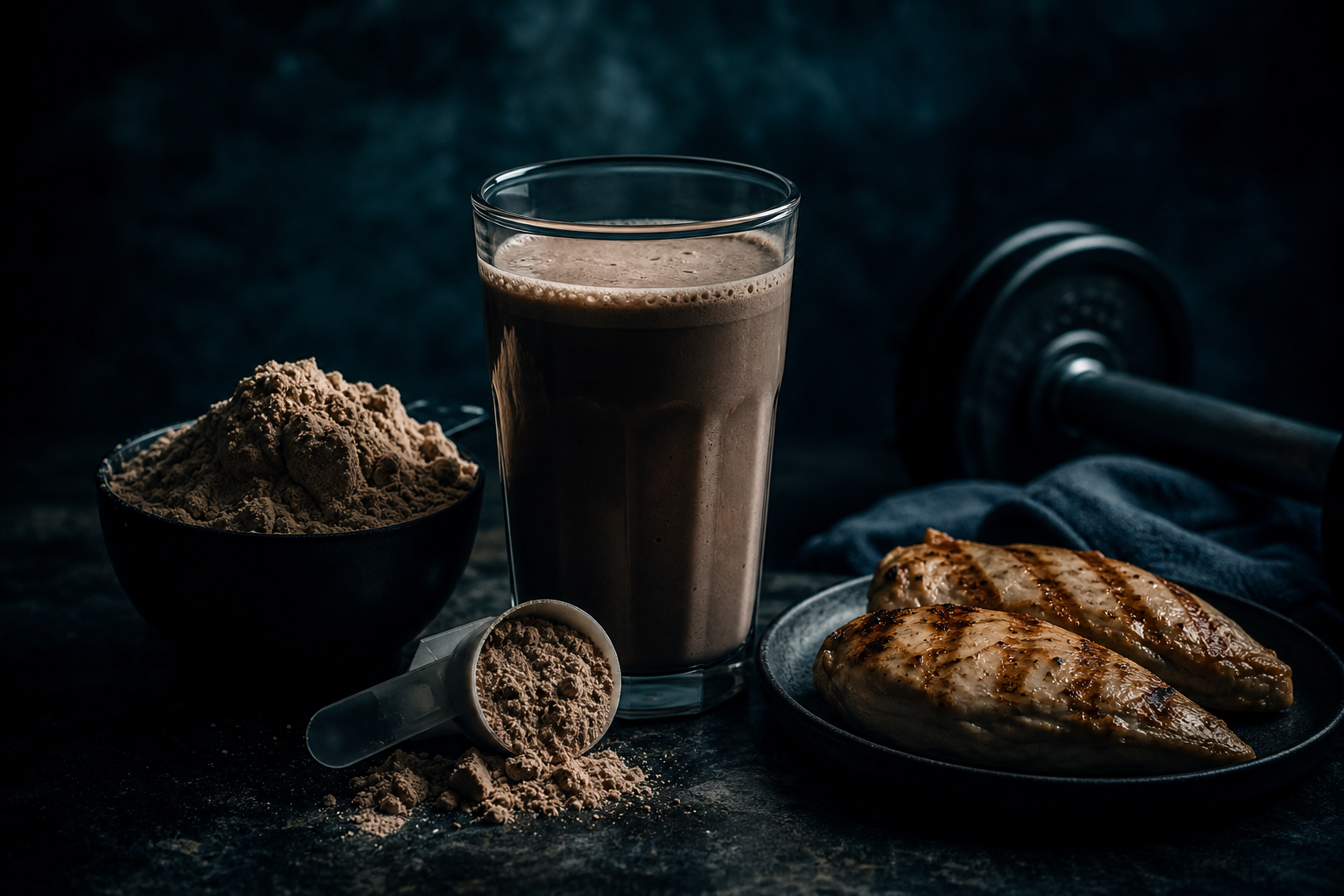
Post-workout protein remains the highest-priority timing window. Resistance training elevates muscle protein synthesis for 24–48 hours, with the greatest sensitivity in the first few hours post-exercise. Consuming 20–40g of quality protein post-workout maximally stimulates this elevated MPS. Whey protein is particularly effective post-workout due to its rapid digestion and high leucine content — leucine is the key amino acid that triggers the mTOR pathway for muscle synthesis.
2. Pre-Workout (1–2 Hours Before)
A pre-workout protein meal serves two purposes: it provides amino acids available during training and effectively extends the “anabolic window” — meaning post-workout urgency is less critical when pre-workout protein was consumed. Research shows pre-workout protein is as effective as post-workout protein for muscle building when total daily intake is equivalent. A meal with 20–40g protein 1–2 hours before training works well.
3. Breakfast
Breakfast protein is one of the most underutilised opportunities. After an overnight fast, muscle protein synthesis is in a suppressed state. A protein-rich breakfast (30–40g) rapidly reverses this and sets up optimal amino acid availability for the morning. Studies show high-protein breakfasts also significantly improve satiety, reduce total caloric intake throughout the day, and reduce cravings. Replacing a carb-heavy breakfast with one centred on protein and fat produces measurably better body composition outcomes over time.
4. Before Bed
Pre-sleep protein is backed by growing evidence. Research by Res et al. and van Loon’s group shows 40g of casein protein before sleep significantly increases overnight muscle protein synthesis and improves muscle recovery. Casein digests slowly (over 5–7 hours), providing a sustained release of amino acids during sleep — the body’s primary repair window. This is particularly valuable after evening training sessions.
Protein Distribution Throughout the Day
Research consistently shows that evenly distributing protein across 3–4 meals produces greater muscle protein synthesis over 24 hours than consuming the same total in 1–2 large meals. Each protein-containing meal triggers a MPS spike — so four 30–40g protein meals produce four MPS spikes vs two spikes from two larger meals. This “pulse” pattern of protein feeding is more anabolic than “bolus” (one or two large meals).
| Meal | Protein Target | Best Sources |
|---|---|---|
| Breakfast | 30–40g | Eggs, Greek yoghurt, cottage cheese, smoked salmon |
| Lunch | 30–40g | Chicken, tuna, turkey, legumes |
| Post-workout | 20–40g | Whey protein, chicken, tuna |
| Dinner | 30–40g | Salmon, beef, eggs, tempeh |
| Pre-sleep (optional) | 30–40g | Casein protein, cottage cheese, Greek yoghurt |
Frequently Asked Questions
The most important protein timing windows are: post-workout (within 2 hours, especially if training fasted), breakfast (after overnight fast), and pre-sleep (slow-digesting casein to support overnight recovery). Distributing 30–40g across 3–4 meals throughout the day produces optimal muscle protein synthesis. Total daily intake matters more than any single timing window.
Both work, and either is better than neither. If you train fasted (early morning), prioritise getting protein quickly after training. If you ate a protein-containing meal 1–2 hours before training, post-workout urgency is reduced — the anabolic window extends to several hours. For maximum results, consume 20–40g protein both pre- and post-workout.
Both are important. Morning protein breaks the overnight fast and stimulates muscle protein synthesis after a suppressed overnight period — and research shows high-protein breakfasts significantly improve satiety and body composition. Evening protein (especially slow-digesting casein before sleep) supports overnight muscle repair and recovery. Distributing protein across both is the optimal approach.
Total daily protein is the primary driver, but timing produces additional benefits when total intake is adequate. Even distribution across 3–4 meals produces greater 24-hour muscle protein synthesis than the same total in 1–2 meals. Post-workout protein timing is most important for people doing intense resistance training, less critical for general health.
This article is for informational purposes only and represents general nutritional guidance. Individual needs vary based on body weight, activity level, and health status.
Related reading: How Much Protein Per Day?, Does Protein Make You Fat?, High Protein Foods.


 Daniel Brooks
 James Holloway
 Emma Thornton
 Ashley
 Sarah Mitchell
 Dr. Rachel Stone