 James Hargreaves
What Is Longevity?
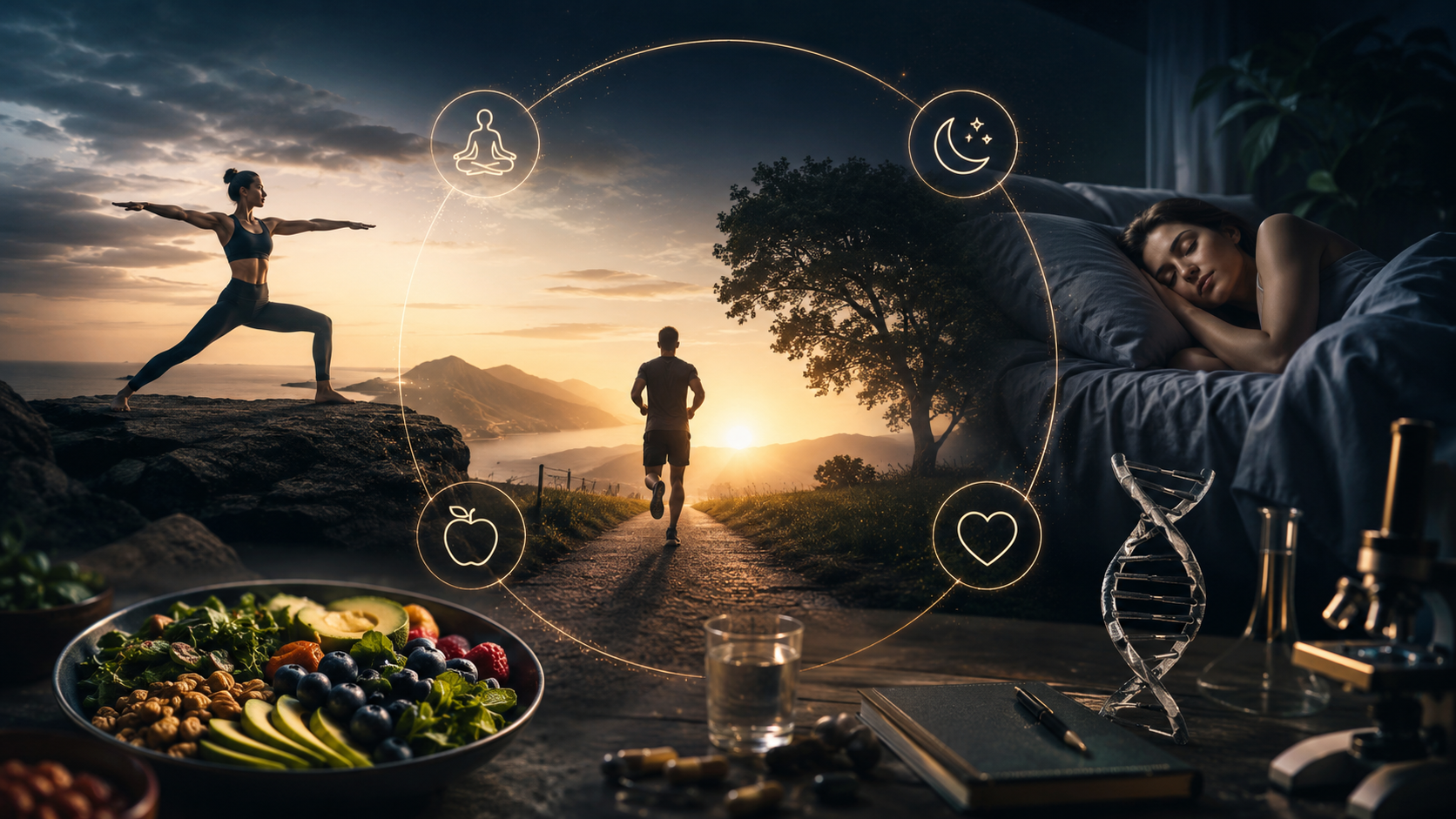
Longevity — living a long and healthy life — is the convergence of two distinct goals: lifespan (how long you live) and healthspan (how long you live well, free from serious disease and functional decline). Modern science increasingly distinguishes between these — many people live long lives but spend a significant proportion of later years with serious illness, disability, or dependency. The goal of longevity science and healthy aging practice is to extend healthspan as much as lifespan — to compress the period of decline into the shortest possible window at the end of a long, vital, functional life. This guide covers everything known about how to achieve this. For the full framework of healthy aging, see our complete healthy aging guide.
What Science Says About Longevity
The most important finding from longevity research is that genetics accounts for only 20–30% of the variation in human lifespan. The remaining 70–80% is attributable to lifestyle, environment, and behaviour — meaning the actions you take consistently over decades are the primary determinants of how long and how well you live. Twin studies, population-level research, and the study of exceptional longevity all converge on this conclusion. This is profoundly empowering: the single most important predictor of your future health and longevity is your daily habits, starting now.
The Core Longevity Pillars
Exercise
Cardiorespiratory fitness — measured by VO2 max — is arguably the single most powerful predictor of longevity identified in prospective research. A landmark study in JAMA found that people in the lowest fitness quintile had a mortality risk more than twice that of those in the highest quintile — greater than the mortality risk associated with smoking, hypertension, or diabetes. Regular aerobic exercise and resistance training preserve the functional capacity, hormonal environment, metabolic health, and brain function that define healthy aging. See our guide to exercise for healthy aging.
Nutrition
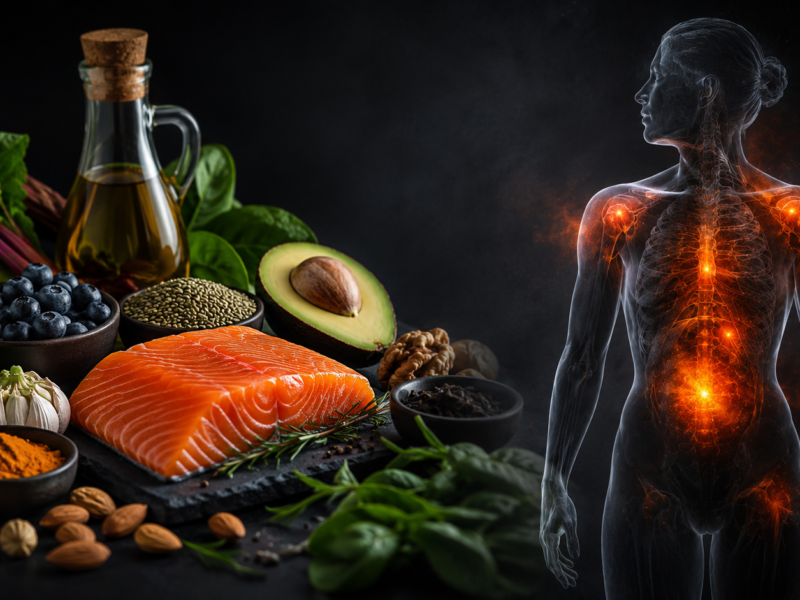
No single food or supplement extends lifespan, but dietary patterns consistently predict longevity outcomes. The Mediterranean diet, MIND diet, and diets of Blue Zone populations share common features: abundance of whole plant foods, legumes, fish, olive oil, and nuts; minimal ultra-processed food, refined carbohydrates, and red meat. Adequate protein intake (1.2–1.6g/kg daily) is increasingly recognised as critical from midlife onward for muscle preservation. Caloric sufficiency without chronic excess — maintaining a healthy body weight — is one of the most consistently protective factors for longevity. See our anti-aging diet guide and Blue Zone longevity habits guide.
Sleep
Consistent, high-quality sleep of 7–9 hours per night is associated with significantly lower all-cause mortality compared to both short (under 6 hours) and long (over 9 hours) sleep duration. Sleep performs irreplaceable maintenance functions — clearing amyloid from the brain, restoring hormonal balance, supporting immune function, and regulating metabolic health. Chronic sleep restriction accelerates biological aging across every measurable system. See our guide to sleep and aging.
Stress Management
Chronic psychological stress is a potent biological accelerant of aging — shortening telomeres, increasing inflammaging, impairing immune function, and elevating cardiovascular risk. Building deliberate stress management practices into daily life — mindfulness, exercise, social connection, time in nature — meaningfully reduces the biological aging cost of the inevitable stressors of modern life. See our guide to stress and aging.
Social Connection
Meaningful relationships and community belonging are among the strongest and most consistently identified predictors of longevity across cultures and populations. Social isolation is associated with a 29% increased mortality risk — comparable to smoking. The world’s longest-lived populations are universally characterised by strong social networks, multigenerational family structures, and community embeddedness. See our guide to social connection and longevity.
Purpose
Having a strong sense of purpose is associated with a 15% reduction in mortality risk and significantly lower rates of dementia, cardiovascular disease, and disability. Purpose provides motivational structure, stress resilience, and the continued engagement with life that drives the health-protective behaviours that extend healthy life. Cultivating purpose — through relationships, work, learning, creativity, service, and spiritual practice — is one of the most underappreciated longevity interventions.
Emerging Longevity Science
Longevity science is advancing rapidly. Key areas of active research include: senolytics (drugs that clear senescent “zombie” cells that drive inflammaging), mTOR pathway modulation (rapamycin extends lifespan in multiple animal models), NAD+ precursors (NMN, NR — supporting mitochondrial function and DNA repair), GLP-1 agonists (beyond weight loss, emerging data suggests metabolic and potentially longevity effects), and epigenetic reprogramming. While these represent genuinely exciting science, most are not yet validated for human longevity extension. The most impactful longevity interventions remain the lifestyle habits described above — and the gap between these proven interventions and what most people actually practise represents the greatest opportunity for longevity improvement.
Practical Longevity Habits to Start Now
Start with the highest-impact changes: if you don’t exercise, start walking daily and add resistance training twice per week. If you sleep fewer than 7 hours, prioritise fixing sleep as a non-negotiable health behaviour. If you eat a diet dominated by processed food, shift toward more whole plant foods, fish, and olive oil. Build or maintain meaningful social relationships deliberately. Manage chronic stress through regular exercise, mindfulness, and adequate rest. Find or cultivate a sense of purpose in at least one domain of life. These changes, applied consistently over years and decades, produce dramatically better longevity outcomes than any supplement, medication, or emerging technology currently available.
FAQ
What is the key to longevity?
No single key — but the combination of regular physical activity, nutritious whole-food diet, adequate sleep, stress management, meaningful social connection, and sense of purpose has the most consistent evidence for extending both lifespan and healthspan.
What is the difference between lifespan and healthspan?
Lifespan is how long you live; healthspan is how long you live in good health, free from serious disease and functional decline. Longevity science aims to extend healthspan as much as lifespan.
What single habit has the most impact on longevity?
Cardiorespiratory fitness — primarily determined by regular aerobic exercise — is arguably the single strongest predictor of longevity identified in prospective research.
Can supplements extend lifespan?
No supplement has confirmed lifespan extension in humans. Several (NMN, resveratrol, rapamycin) are being studied — but current evidence doesn’t support supplementing primarily for longevity in place of lifestyle habits.
Does genetics determine how long you live?
Genetics accounts for approximately 20–30% of lifespan variation. Lifestyle factors — exercise, diet, sleep, stress, social connection — account for the majority, making longevity substantially within your influence.
Related: Hydration and Longevity: How Water Intake Shapes Energy, Skin, and Aging

 Rachel Summers
 Daniel Brooks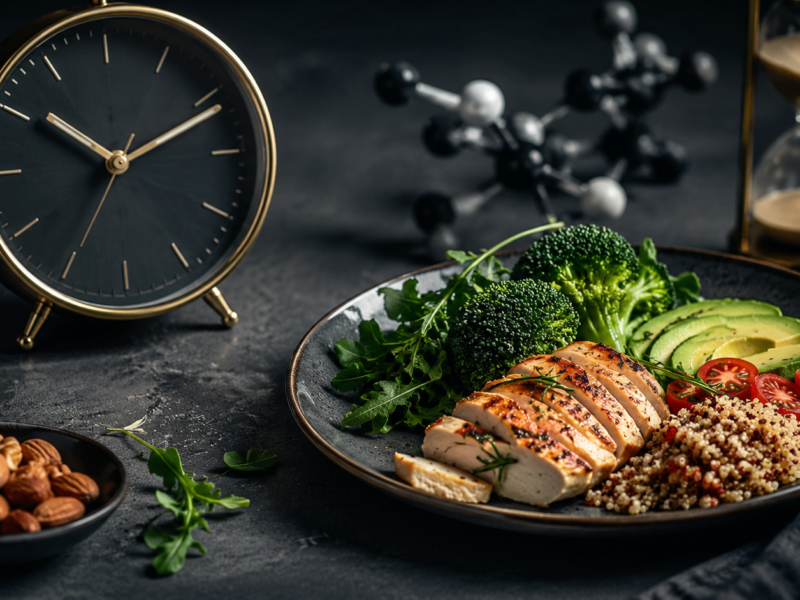

 Emma Thornton
 Sarah Mitchell