Rachel Summers
Introduction
You can’t feel it. You can’t see it. Yet it may be silently shaving years off your life. Chronic inflammation—once thought to only accompany obvious illnesses—has emerged in 2025 as the #1 hidden driver of aging, heart disease, Alzheimer’s, and cancer. Doctors now call it “inflammaging.”
Unlike the short-term inflammation you get from a sprained ankle (which heals you), chronic inflammation is invisible, low-grade, and constant. It keeps your immune system firing when it should be resting—damaging cells, tissues, and DNA over time.
Here’s what science says about how chronic inflammation accelerates aging—and what you can do right now to fight back.
What Is Chronic Inflammation?
Inflammation is your body’s defense system. When an injury or infection strikes, immune cells release chemicals to heal you. That’s acute inflammation—and it’s helpful.
But with poor diet, stress, toxins, and lack of sleep, your body can’t “switch off” its immune response. This silent, low-grade inflammation circulates constantly, destroying healthy tissue.
Chronic inflammation = immune system stuck in “on” mode
Major outcome = accelerated cell damage and early aging
Scientists link it to heart disease, type 2 diabetes, dementia, and cancer
Authority Link: Harvard Health – The truth about inflammation
How Inflammation Accelerates Aging
Cellular Aging & DNA Damage
When inflammation is chronic, it produces excess free radicals. These molecules damage DNA and telomeres (the protective caps on chromosomes). Shorter telomeres = faster biological aging.
Organs Under Attack
Brain: Inflammation breaks down the blood-brain barrier, linked to Alzheimer’s and memory loss.
Heart: Arteries stiffen and plaque builds when inflammation persists.
Skin: Chronic inflammation destroys collagen, accelerating wrinkles.
The “Inflammaging” Cycle
Inflammation → Cell damage → More inflammation → Faster aging. This vicious cycle is what longevity experts now see as the hidden accelerator of disease.
Authority Link: Cleveland Clinic – Inflammation: Causes and effects
The Biggest Triggers of Inflammation in 2025
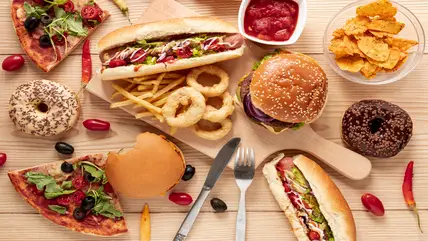
Ultra-Processed Foods — Refined carbs, added sugars, and seed oils keep blood sugar unstable and fuel inflammation.
Poor Sleep — Just one night of sleep deprivation raises inflammatory markers.
Chronic Stress — Constant cortisol disrupts immune signaling.
Sedentary Lifestyle — Physical inactivity increases visceral fat, a key inflammation source.
Environmental Toxins — Air pollution, smoking, alcohol—all accelerate systemic inflammation.

Inflammation and Mental Health
It’s not just physical health. Chronic inflammation also fuels depression, anxiety, and brain fog. Elevated cytokines (immune messengers) affect neurotransmitters like serotonin and dopamine.
In 2025, psychiatry is increasingly viewing depression as not just “chemical imbalance” but partly an inflammatory condition. Patients who lower inflammation (via diet and lifestyle) report improved mood and clarity.
Anti-Inflammatory Diets That Work
Mediterranean Diet
Rich in olive oil, fish, whole grains, and leafy greens, this diet is consistently proven to lower inflammatory markers like CRP.
Plant-Based Power
Diets high in fiber feed gut microbes, which produce short-chain fatty acids (SCFAs) that actively reduce inflammation.
Functional Foods for Inflammation:
Turmeric/Curcumin
Omega-3 Fatty Acids (salmon, flaxseed)
Green Tea (EGCG)
Berries (anthocyanins)
Lifestyle Hacks to Lower Inflammation
Sleep 7–9 hours — Poor sleep = higher CRP.
Exercise regularly — Even brisk walking lowers inflammatory cytokines.
Manage stress — Meditation and breathing improve vagal tone and reduce cortisol.
Stay hydrated — Water flushes toxins and regulates metabolism.
Quit smoking & limit alcohol — Both directly raise inflammatory markers.

FAQs
Q: Can supplements replace an anti-inflammatory diet?
No. They can support (fish oil, turmeric), but diet and lifestyle form the foundation.
Q: Is inflammation always bad?
No. Acute inflammation heals injuries. Chronic, hidden inflammation is the problem.
Q: How do I know if I have chronic inflammation?
Blood tests like CRP, IL-6, and homocysteine reveal inflammation, but symptoms like fatigue, joint pain, or brain fog can also hint at it.
Q: How fast can inflammation go down?
Lifestyle changes can lower CRP in 4–12 weeks.
Q: Is aging without inflammation possible?
While some aging is natural, lowering inflammation slows its rate, improving quality of life and longevity.
Summary Checklist
✅ Eat anti-inflammatory foods (berries, salmon, olive oil)
✅ Avoid ultra-processed foods and sugar
✅ Move daily, even light activity counts
✅ Prioritize stress management and sleep
✅ Support with omega-3s and turmeric if needed


 James Hargreaves
 Rachel Summers
 Sarah Mitchell
 Emma Thornton