 Dr. Maya Chen
Iron deficiency is the most common nutritional deficiency worldwide — affecting an estimated 2 billion people. Yet many people try to address it without knowing which foods actually contain meaningful amounts of absorbable iron. Understanding iron-rich foods, the difference between haem and non-haem iron, and the factors that enhance or inhibit absorption is essential for optimising iron status through diet.
Haem vs Non-Haem Iron
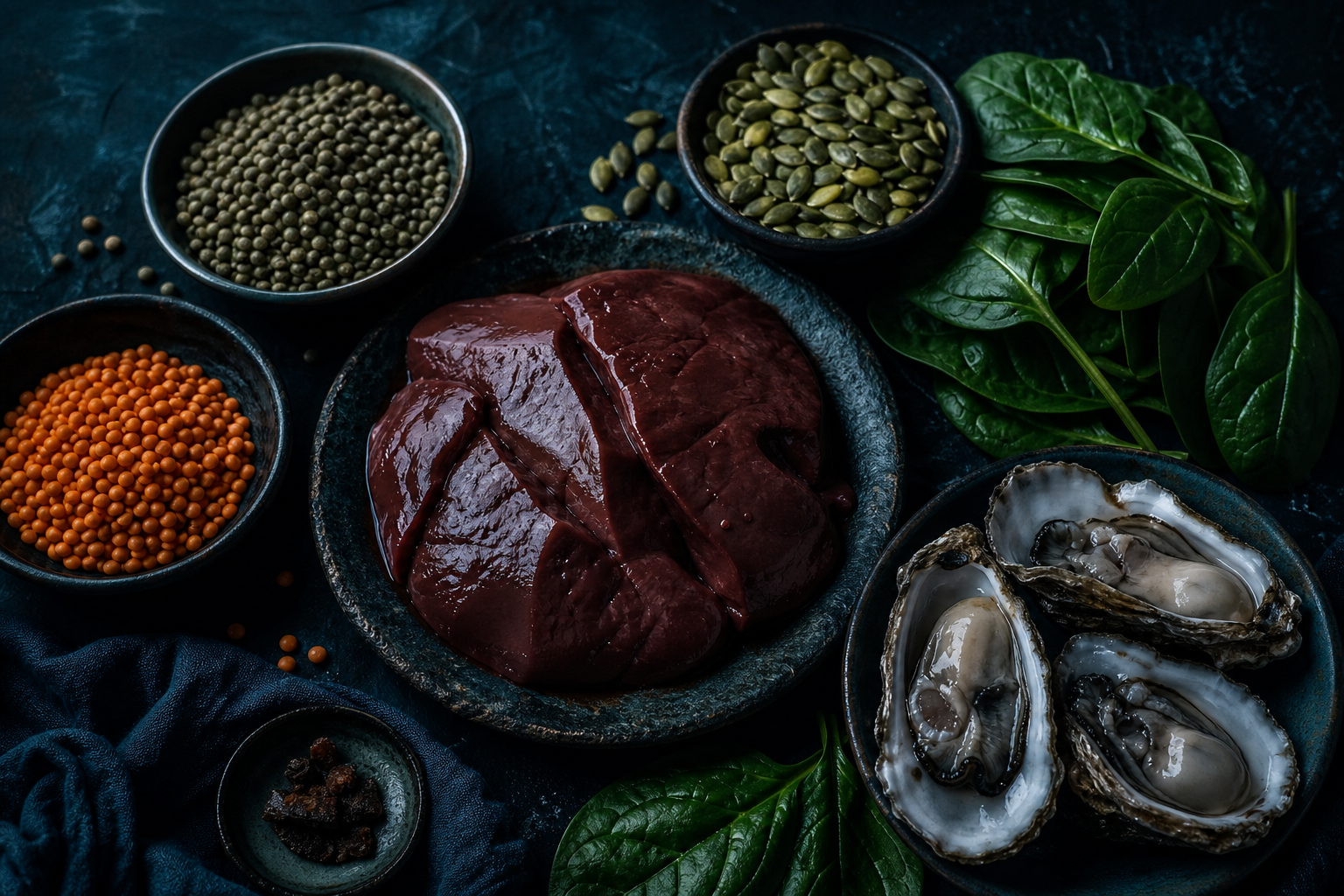
All dietary iron comes in two forms: haem iron (found only in animal products — meat, poultry, and fish) and non-haem iron (found in plant foods and also present in animal products). Haem iron is absorbed at 15–35% efficiency regardless of body iron status or other dietary factors. Non-haem iron is absorbed at only 2–20% efficiency and is strongly influenced by other dietary components — vitamin C dramatically increases absorption, while calcium, tannins (tea, coffee), phytates (whole grains, legumes), and polyphenols significantly reduce it.
Top Iron-Rich Foods
Animal Sources (Haem Iron — Highest Bioavailability)
| Food | Iron per 100g | Notes |
|---|---|---|
| Chicken liver | 13mg | Highest haem iron; also very high vitamin A and B12 |
| Beef liver | 6.5mg | Excellent haem iron + zinc, B12, folate |
| Oysters | 5.5mg | Outstanding zinc and B12 alongside iron |
| Beef (lean) | 2.5–3mg | Reliable everyday haem iron source |
| Lamb | 2.5mg | Good haem iron; easy to prepare |
| Sardines (canned) | 2.9mg | Convenient, affordable; also omega-3 and calcium |
| Tuna (canned) | 1.3mg | Good everyday option; very accessible |
| Dark chicken meat | 1.3mg | Higher iron than breast meat |
Plant Sources (Non-Haem Iron — Lower Bioavailability)
| Food | Iron per 100g (cooked) | Notes |
|---|---|---|
| Fortified breakfast cereals | 8–20mg | Often highest iron per serving; check label |
| White beans | 3.7mg | Highest iron of common legumes |
| Lentils | 3.3mg | Excellent plant iron + protein + fibre |
| Tofu (firm) | 3.0mg | Good plant protein + iron combination |
| Spinach (cooked) | 3.6mg | High iron but also high oxalates — reduce absorption; cook to reduce oxalates |
| Dark chocolate (70%+) | 3.1mg per 30g | Surprisingly high iron; enjoy in moderation |
| Pumpkin seeds | 8.8mg | Highest iron of common seeds; also high zinc |
| Hemp seeds | 7.9mg | High iron + complete protein + omega-3 |
| Chickpeas | 2.9mg | Versatile, accessible plant iron |
| Kidney beans | 2.9mg | Common, affordable plant iron source |
| Quinoa (cooked) | 1.5mg | Complete protein grain with good iron for a grain |
How to Maximise Iron Absorption
- Pair plant iron with vitamin C: Vitamin C (ascorbic acid) dramatically increases non-haem iron absorption — up to 3–6x. Add lemon juice to lentil dishes, eat bell peppers with spinach, or drink orange juice with iron-rich meals
- Eat meat alongside plant iron: The “meat factor” — haem iron in meat enhances non-haem iron absorption from plant foods eaten in the same meal
- Avoid iron inhibitors with iron-rich meals: Don’t drink tea or coffee for 1 hour before and after iron-rich meals (tannins reduce absorption by up to 60%); calcium-rich foods can also reduce iron absorption when consumed simultaneously
- Soak and sprout legumes: This reduces phytate content, improving non-haem iron absorption
- Cook in cast iron: Cooking acidic foods (tomato sauce) in cast iron pans significantly increases the iron content of food — a simple and effective iron-boosting strategy
Frequently Asked Questions
The highest iron foods are: chicken liver (13mg/100g), pumpkin seeds (8.8mg/100g), hemp seeds (7.9mg/100g), beef liver (6.5mg/100g), fortified cereals (varies widely — check label), oysters (5.5mg/100g), white beans (3.7mg/100g), spinach cooked (3.6mg/100g), lentils (3.3mg/100g), and tofu (3mg/100g). Haem iron from animal sources is significantly better absorbed than plant non-haem iron.
To raise iron levels quickly: focus on haem iron sources (red meat, liver, oysters), pair plant iron with vitamin C at every meal, avoid tea and coffee within 1 hour of iron-rich meals, consider an iron supplement (ferrous bisglycinate is the most tolerable form — causes less constipation than ferrous sulfate), and recheck ferritin levels after 8–12 weeks. Severely low ferritin may require IV iron infusions for rapid restoration — discuss with your doctor.
Best plant-based iron sources: pumpkin seeds, hemp seeds, fortified cereals, white beans, lentils, tofu, spinach (cooked), dark chocolate, chickpeas, and quinoa. To maximise absorption from these, always combine with vitamin C (lemon juice, bell peppers, citrus fruit), avoid eating with tea/coffee, and soak legumes before cooking to reduce phytates. Plant-based eaters need approximately 1.8x more dietary iron than omnivores due to lower non-haem absorption rates.
This article is for informational purposes only. If you suspect iron deficiency anaemia, see a healthcare provider for testing — iron supplementation without confirmed deficiency can be harmful.

 Dr. Rachel Stone
 Dr. Maya Chen
 Emma Thornton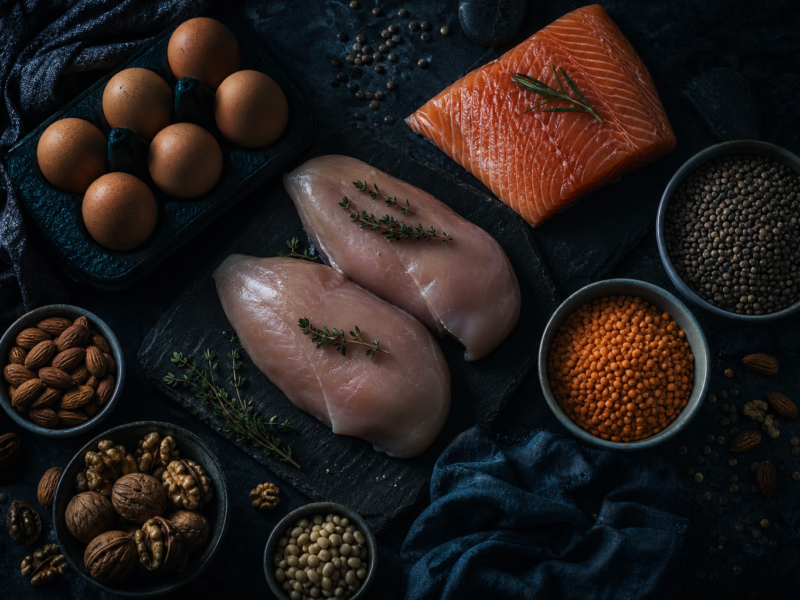
 Ashley
 James Hargreaves