Dr. Rachel Stone
Autophagy — the cellular self-cleaning process that breaks down damaged proteins and organelles — is one of the most important longevity mechanisms in the body. The 2016 Nobel Prize in Physiology was awarded for its discovery. Here’s exactly how to activate it effectively.
What Is Autophagy?
Autophagy (from Greek: “self-eating”) is the process by which cells identify, engulf, and break down damaged proteins, dysfunctional organelles (including damaged mitochondria — a process called mitophagy), and cellular debris. The resulting components are recycled into new cellular building blocks or energy.
When autophagy works well, it prevents the accumulation of cellular garbage — damaged proteins that clump together (as in Alzheimer’s), dysfunctional mitochondria that generate excess oxidative stress, and pathogens that evade immune detection. When autophagy is impaired (as it is with chronic mTOR activation from overcaloric eating, sedentary behaviour, and ageing), cellular damage accumulates and age-related diseases accelerate.
1. Fasting — The Most Powerful Autophagy Trigger
Fasting is the most potent and well-researched method for inducing autophagy. When food intake stops, insulin drops and glucagon rises — this signals the cell to stop building (anabolism) and start cleaning (catabolism). The mTOR pathway (the primary autophagy inhibitor) is suppressed, and AMPK (the primary autophagy activator) is upregulated.
Autophagy fasting timeline:
- 12–16 hours: Initial autophagy upregulation begins; most accessible through overnight fasting
- 18–24 hours: Meaningful autophagy activation; sweet spot for most people using intermittent fasting
- 24–48 hours: Significant autophagy — the range used in therapeutic fasting protocols
- 72+ hours: Maximum autophagy; used in fasting-mimicking diet protocols (clinically supervised)
Note: The exact timing of human autophagy is difficult to measure outside research settings — these are estimates based on animal data and indirect human biomarkers. Individual variation is significant.
2. Exercise
Exercise — particularly endurance exercise — is a potent autophagy inducer. Physical stress activates AMPK, depletes cellular energy (reducing mTOR activity), and creates the physiological conditions that trigger autophagy in muscle cells, liver cells, and the brain. A landmark 2012 study in Nature found that exercise-induced autophagy in mice was essential for the metabolic benefits of exercise — mice with autophagy-deficient muscle did not improve metabolic fitness with exercise.
Combining fasting with exercise (exercising in a fasted state) significantly amplifies autophagy compared to either alone.
3. Protein Restriction
Dietary protein — particularly the amino acid leucine — is one of the most potent activators of mTOR, which suppresses autophagy. Reducing protein intake (or cycling periods of lower protein) can meaningfully reduce mTOR activity and allow autophagy to upregulate. This is the mechanism behind the longevity benefit of moderate protein intake seen in Blue Zones populations and Valter Longo’s research. A protein-restricted day 1–2 per week combined with normal protein intake the rest of the time is a practical cycling approach.
4. Coffee
Multiple studies in mice have shown that coffee — both caffeinated and decaffeinated — induces autophagy across multiple tissues. A 2014 study in Cell Cycle found that coffee consumption (in both mouse and human subjects) increased markers of autophagy. The mechanism appears to involve polyphenols (chlorogenic acid) rather than caffeine alone. Black coffee during fasting does not appear to break autophagy and may enhance it — making morning coffee a compatible addition to fasting protocols.
5. Spermidine
Spermidine — a polyamine found in wheat germ, mushrooms, soybeans, and aged cheese — is one of the most potent natural autophagy inducers known. It activates autophagy through multiple pathways including inhibiting the acetyltransferase EP300, which is involved in autophagy suppression. A 2021 clinical trial found spermidine supplementation improved cognitive function in older adults with subjective cognitive decline — an effect attributed in part to enhanced autophagy in neurons.
6. Heat Exposure (Sauna)
Heat stress upregulates heat shock proteins (HSPs) — chaperone proteins that support protein quality control and autophagy pathways. Regular sauna use has been associated with increased autophagy markers and improved cellular housekeeping, particularly in cardiac and muscle tissue.
What Blocks Autophagy?
- Eating frequently — every meal raises insulin and activates mTOR, shutting off autophagy
- High protein intake — leucine is particularly potent at mTOR activation
- High sugar and refined carbohydrates — drive insulin spikes that suppress autophagy
- Sedentary behaviour — exercise is required to maintain basal autophagy in muscle
- Chronic sleep deprivation — reduces autophagy in brain tissue
Frequently Asked Questions
The most effective methods are: fasting (18–24 hours produces meaningful autophagy; even 12–16 hour overnight fasts begin the process), exercise (particularly endurance exercise in a fasted state), reducing protein intake periodically, drinking coffee (both caffeinated and decaf activate autophagy), spermidine supplementation or dietary intake, and regular sauna use. Combining fasting with exercise produces the strongest effect.
Autophagy begins upregulating within 12–16 hours of fasting as insulin drops and glucagon rises. Meaningful autophagy is generally considered to be well-established by 18–24 hours. The most significant autophagy occurs with 24–48 hour fasts. For daily practice, a 16:8 intermittent fasting protocol (16 hours fasted, 8 hours eating window) produces consistent daily autophagy upregulation.
No — black coffee appears to enhance rather than inhibit autophagy. Multiple studies have found coffee consumption increases autophagy markers. The polyphenols in coffee (chlorogenic acid in particular) appear to activate autophagy pathways. Adding milk or cream (which contains protein and fat) may partially blunt autophagy by raising insulin — black coffee is the best choice during a fasting window.
Autophagy removes damaged proteins and cellular components that contribute to neurodegeneration, cancer, metabolic disease, and ageing. Benefits associated with robust autophagy include: reduced cancer risk (by clearing pre-cancerous damaged cells), neuroprotection (clearing amyloid beta and tau associated with Alzheimer’s), improved metabolic health, enhanced immune defence, and slower overall biological ageing. It’s one of the most fundamental longevity mechanisms identified.
This article is for informational purposes only. Extended fasting should be approached with caution and medical supervision for people with diabetes, eating disorder history, or other health conditions.
Related Articles


 James Holloway
 Dr. Rachel Stone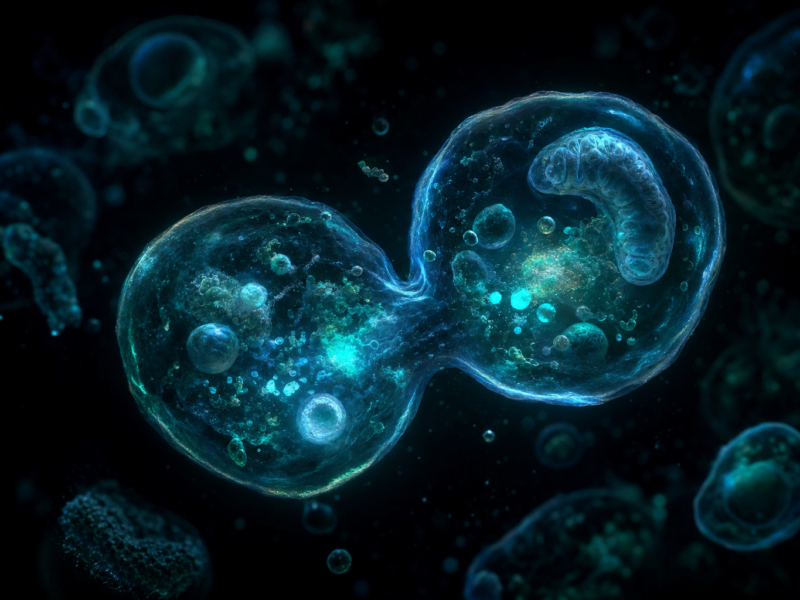

 Elena Voss