 Elena Voss
You’re deep into your intermittent fast, sipping lemon water and feeling virtuous — then someone in a fasting forum tells you lemon water breaks autophagy. Now you’re second-guessing every sip. So which is it?
The short answer: a small squeeze of lemon in water is very unlikely to break autophagy in any meaningful way. Here’s the full picture.
What Is Autophagy and How Is It Triggered?
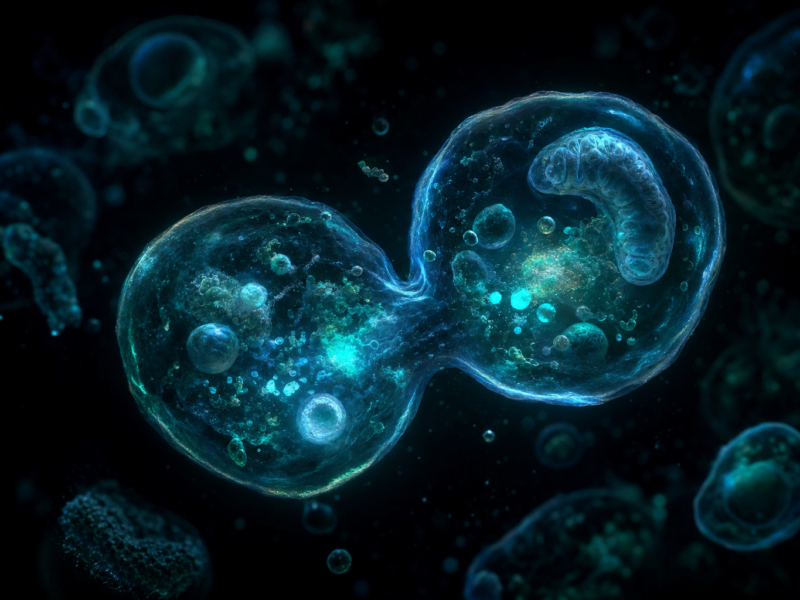
Autophagy is the body’s cellular “self-cleaning” process — where cells break down and recycle damaged proteins, dysfunctional organelles, and cellular debris. It’s triggered primarily by three conditions: caloric restriction, fasting, and exercise. The key metabolic switch is a drop in insulin and mTOR (mechanistic target of rapamycin) activity — both of which signal cellular abundance. When these are low, autophagy ramps up.
The question with lemon water is: does it raise insulin or activate mTOR enough to switch off autophagy?
What’s Actually in Lemon Water?
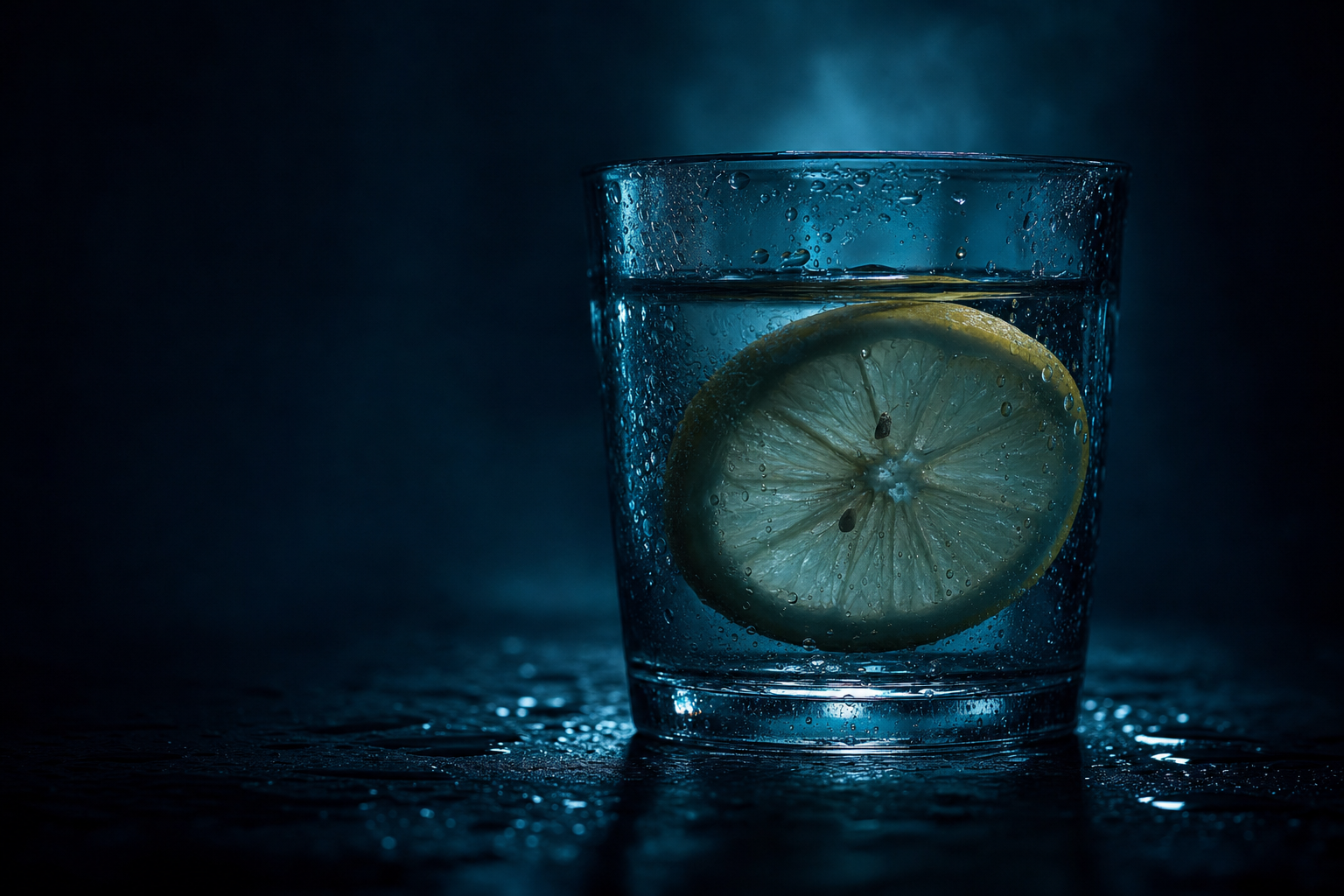
A typical squeeze of fresh lemon juice in a glass of water contains approximately:
- Calories: 2–4 calories per tablespoon of juice
- Carbohydrates: Less than 1 gram
- Sugar: Less than 1 gram
- Protein: Negligible
- Vitamin C: ~7mg per tablespoon
At these quantities, the metabolic impact is minimal. The insulin response to 2–4 calories and less than 1g of sugar is negligible — far below the threshold that would meaningfully suppress autophagy.
Will Lemon Water Break Autophagy?
Almost certainly not — particularly for a standard squeeze of lemon in water. Autophagy is not an on/off switch that’s triggered by a single molecule. It’s a spectrum of cellular activity that ramps up gradually as caloric and insulin status drops, and ramps down as these rise. A trace amount of sugar and a handful of calories is not sufficient to meaningfully reverse this process.
To put this in perspective: autophagy begins to increase after roughly 12–16 hours of fasting in humans. The cellular signalling that enables it (reduced mTOR, reduced insulin, increased AMPK) is robust and not disrupted by micro-amounts of calories. Research suggests it takes a meaningful protein or carbohydrate load to suppress autophagy — not the 2–4 calories in lemon juice.
What Actually Breaks Autophagy (and a Fast)?
| Substance | Breaks Autophagy? | Why |
|---|---|---|
| Plain water | No | Zero calories, no insulin response |
| Lemon water (small squeeze) | Very unlikely | 2–4 calories, negligible insulin response |
| Black coffee | No (and may enhance it) | Near-zero calories; caffeine may stimulate autophagy |
| Plain herbal tea | No | Negligible calories |
| Sweetened drinks / juice | Yes | Significant sugar load raises insulin |
| Protein shakes / amino acids | Yes | Amino acids activate mTOR, suppressing autophagy |
| Any solid food | Yes | Caloric intake triggers insulin and mTOR |
| Milk in coffee | Likely yes | Contains protein and lactose — both stimulate mTOR |
The Exception: Large Amounts of Lemon Juice
Where lemon water could theoretically become a concern is if consumed in very large amounts — say, the juice of multiple lemons, which would start to add up to meaningful carbohydrate and calorie levels. But a standard lemon water (a wedge or one tablespoon of juice in a full glass of water) poses no realistic risk to your fasting state.
Benefits of Lemon Water During a Fast
Rather than worrying about whether lemon water breaks your fast, consider what it adds:
- Electrolytes: Lemon contains small amounts of potassium, which can help with the electrolyte losses that occur during fasting
- Palatability: Many people find plain water hard to drink in large quantities during a fast — lemon makes it more enjoyable and helps hit daily hydration targets
- Vitamin C: A small but real contribution during a period when you’re not eating
- Alkalising effect: Despite being acidic, lemon juice has an alkalising effect in the body post-metabolism, which some fasting practitioners value
Frequently Asked Questions
A small squeeze of lemon in water (about 1 tablespoon of juice) contains just 2–4 calories and less than 1g of sugar — a metabolic impact too small to meaningfully suppress autophagy. Plain lemon water is generally considered safe to drink during intermittent fasting without disrupting autophagy.
In the strict caloric sense, yes — lemon juice contains a few calories. But in the metabolic and hormonal sense that matters for fasting benefits (insulin, autophagy, fat burning), a small amount of lemon juice in water is unlikely to meaningfully disrupt your fasting state. Most fasting protocols consider plain lemon water acceptable.
Autophagy begins to increase after approximately 12–16 hours of fasting in most people, with significant increases occurring between 24–48 hours. The exact onset varies based on your metabolic state, recent eating patterns, and whether you exercise during the fast.
Plain water, black coffee, plain herbal teas, sparkling water, and lemon water (small amount of juice) are all generally considered safe. Anything containing protein, significant carbohydrates, or calories above a minimal threshold will suppress autophagy — this includes milk, cream, sweetened drinks, bone broth, and protein shakes.
This article is for informational purposes only and does not constitute medical advice.
Related reading: Autophagy and Aging, How to Increase Autophagy, When Does Autophagy Start?, Intermittent Fasting Schedule.
Related: Hydration and Longevity: How Water Shapes Energy, Skin, and Aging


 James Holloway
 Dr. Rachel Stone