 Rachel Summers
What Is Acid Reflux?
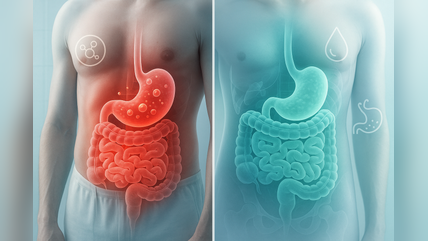
Acid reflux — also called gastro-oesophageal reflux (GOR) — occurs when stomach acid flows back (refluxes) into the oesophagus, causing a burning sensation in the chest (heartburn), regurgitation of acid or food, and in some people, chest pain, chronic cough, hoarse voice, or a sensation of a lump in the throat. When it occurs more than twice per week or causes significant symptoms and complications, it meets the diagnostic criteria for gastro-oesophageal reflux disease (GORD/GERD). Acid reflux is one of the most prevalent digestive conditions globally — affecting approximately 20% of Western populations. For broader digestive health context, see our complete gut health guide.
Symptoms of Acid Reflux
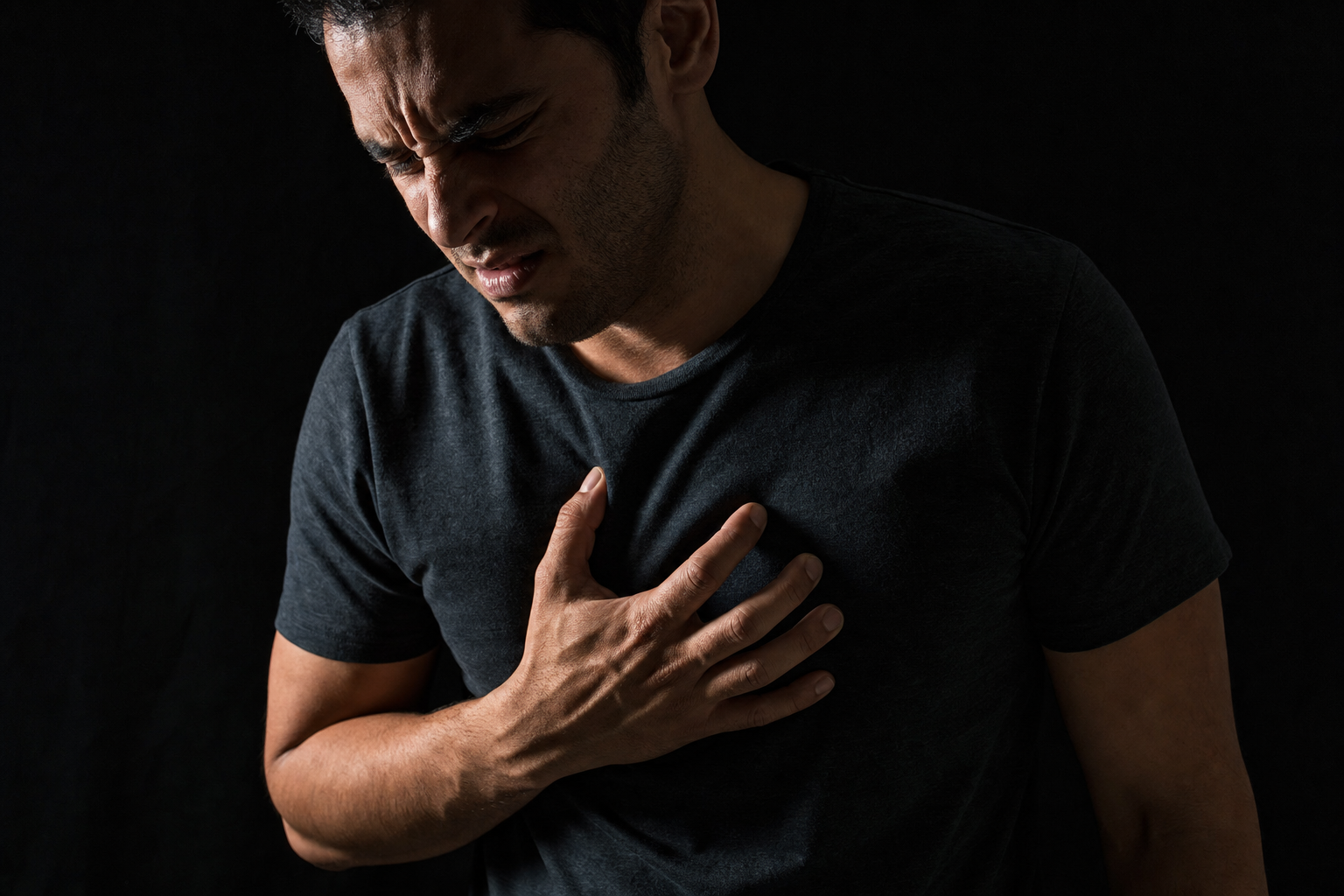
Typical symptoms include heartburn (a burning sensation rising from the stomach to the chest and throat), regurgitation (the sensation of acid or partially digested food rising into the mouth), belching, and nausea. Atypical symptoms — which make GORD harder to recognise — include chronic dry cough (caused by micro-aspiration of acid), hoarse voice or laryngitis, frequent throat clearing, dental erosion (acid eroding tooth enamel), and non-cardiac chest pain. Symptoms typically worsen after eating, when lying down, and when bending forward.
Common Triggers
Food and Drink
Certain foods and drinks weaken the lower oesophageal sphincter (LOS) or increase acid production: fatty and fried foods (delay gastric emptying and relax the LOS), tomato-based foods (acidic), citrus fruits (acidic), chocolate (relaxes the LOS), coffee and caffeine (stimulate acid secretion and relax the LOS), alcohol (relaxes the LOS and stimulates acid), spicy foods, peppermint (relaxes the LOS), and carbonated drinks (increase stomach pressure). Identifying and reducing personal triggers through a food diary is more effective than blanket elimination.
Lifestyle Factors
Obesity — particularly central (abdominal) obesity — is the strongest modifiable risk factor for GORD, as increased intra-abdominal pressure pushes stomach contents into the oesophagus. Eating large meals increases gastric volume and reflux risk. Eating within 3 hours of lying down allows reflux to occur in the horizontal position. Tight clothing around the abdomen increases pressure. Smoking impairs LOS function and reduces saliva production (which normally neutralises acid in the oesophagus). Pregnancy increases reflux risk through both hormonal relaxation of the LOS and physical pressure from the growing uterus.
Natural Ways to Reduce Acid Reflux
Dietary Changes
Eating smaller, more frequent meals (rather than large meals that distend the stomach), avoiding known personal trigger foods, finishing eating at least 3 hours before bed, reducing alcohol and caffeine, and avoiding eating in a rush all significantly reduce reflux frequency. Alkaline water and plant-based diets have some preliminary evidence for symptom reduction, though the evidence base is limited compared to trigger food avoidance.
Lifestyle Modifications
Losing excess weight if overweight is the most impactful lifestyle change for GORD — it reduces intra-abdominal pressure, improves LOS function, and may completely resolve symptoms in some people. Elevating the head of the bed by 15–20cm (not just using extra pillows, which increases abdominal pressure) reduces nocturnal reflux. Sleeping on the left side (rather than the right) reduces reflux during sleep — the stomach’s natural anatomy means left-side sleeping keeps acid in the stomach body. Wearing loose-fitting clothing reduces abdominal pressure. Stopping smoking improves LOS function.
Avoiding Late-Night Eating
The combination of horizontal position and undigested food in the stomach is the primary driver of nocturnal reflux. Finishing the last meal or snack at least 3 hours before lying down gives the stomach time to empty significantly before sleep.
Medications for Acid Reflux
Antacids (calcium carbonate, magnesium hydroxide) neutralise stomach acid quickly but transiently — effective for occasional heartburn but not for frequent or severe GORD. H2 blockers (famotidine, ranitidine where available) reduce acid production and provide longer relief. Proton pump inhibitors (PPIs — omeprazole, lansoprazole, pantoprazole) are the most effective medications for GORD, reducing acid production more completely than H2 blockers. PPIs are appropriate for frequent or severe symptoms but are not intended for indefinite use without medical review — long-term PPI use has been associated with reduced magnesium and B12 absorption, increased fracture risk, and potentially altered gut microbiome.
When to Seek Medical Help
See a doctor if: symptoms are frequent (more than twice per week), persistent despite lifestyle changes, severe, or associated with difficulty swallowing, unintentional weight loss, vomiting blood, or black tarry stools. Persistent, untreated GORD can cause oesophagitis (inflammation), Barrett’s oesophagus (a precancerous change in oesophageal lining), and in rare cases oesophageal adenocarcinoma.
FAQ
What causes acid reflux?
Weakening of the lower oesophageal sphincter allows stomach acid to flow back into the oesophagus. Contributing factors include obesity, large meals, trigger foods, lying down after eating, and smoking.
What foods trigger acid reflux?
Fatty and fried foods, tomatoes, citrus, chocolate, coffee, alcohol, carbonated drinks, spicy foods, and peppermint are the most common triggers.
How do I stop acid reflux at night?
Finish eating at least 3 hours before bed, elevate the head of the bed by 15–20cm, sleep on your left side, and avoid large evening meals.
Are PPIs safe long-term?
PPIs are safe for short to medium-term use. Long-term use (months to years) should be under medical supervision due to associations with nutrient malabsorption and microbiome changes. The lowest effective dose for the shortest necessary duration is recommended.
Can losing weight stop acid reflux?
Yes — weight loss is one of the most effective interventions for GORD in people who are overweight. Even modest weight loss (5–10% of body weight) significantly reduces reflux frequency and severity.
Related: Leaky Gut Symptoms, SIBO Symptoms, and The Gut-Brain Connection.

 Sarah Mitchell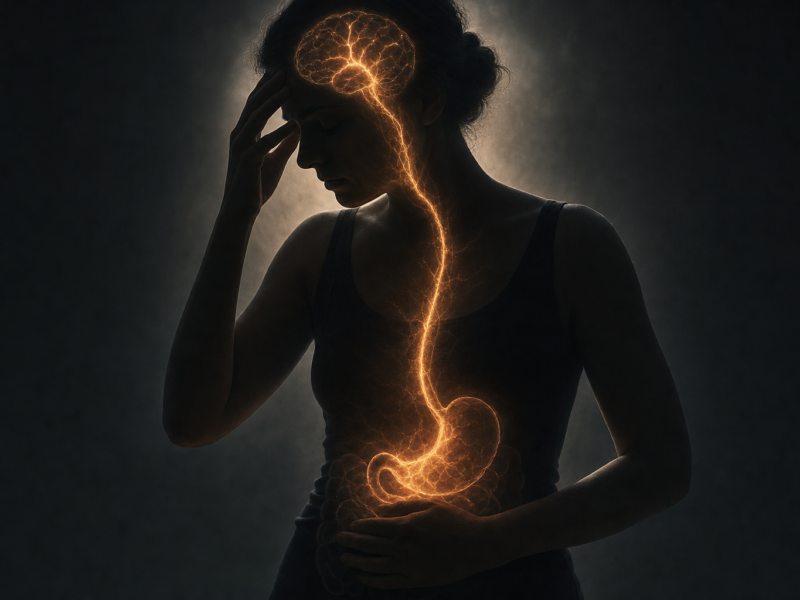
 Ashley
 Emma Thornton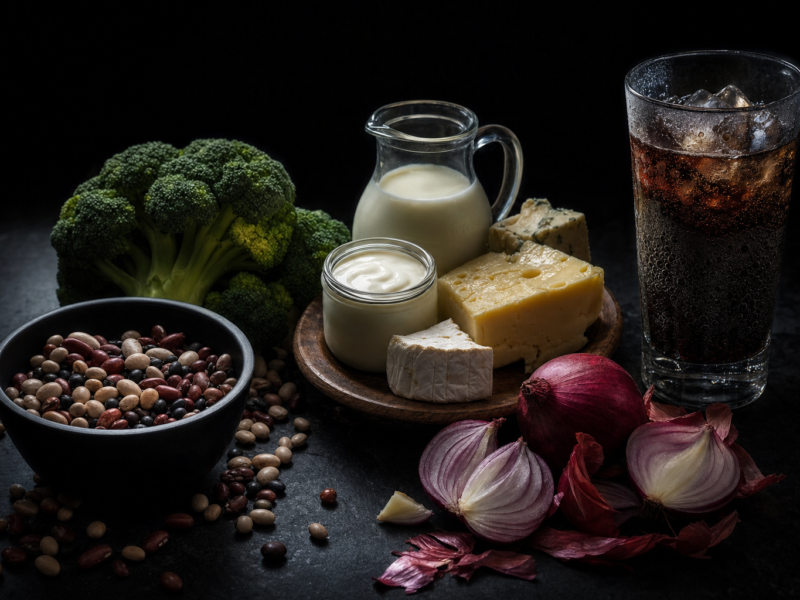
 Daniel Brooks