 Daniel Brooks
How Sleep Changes With Age
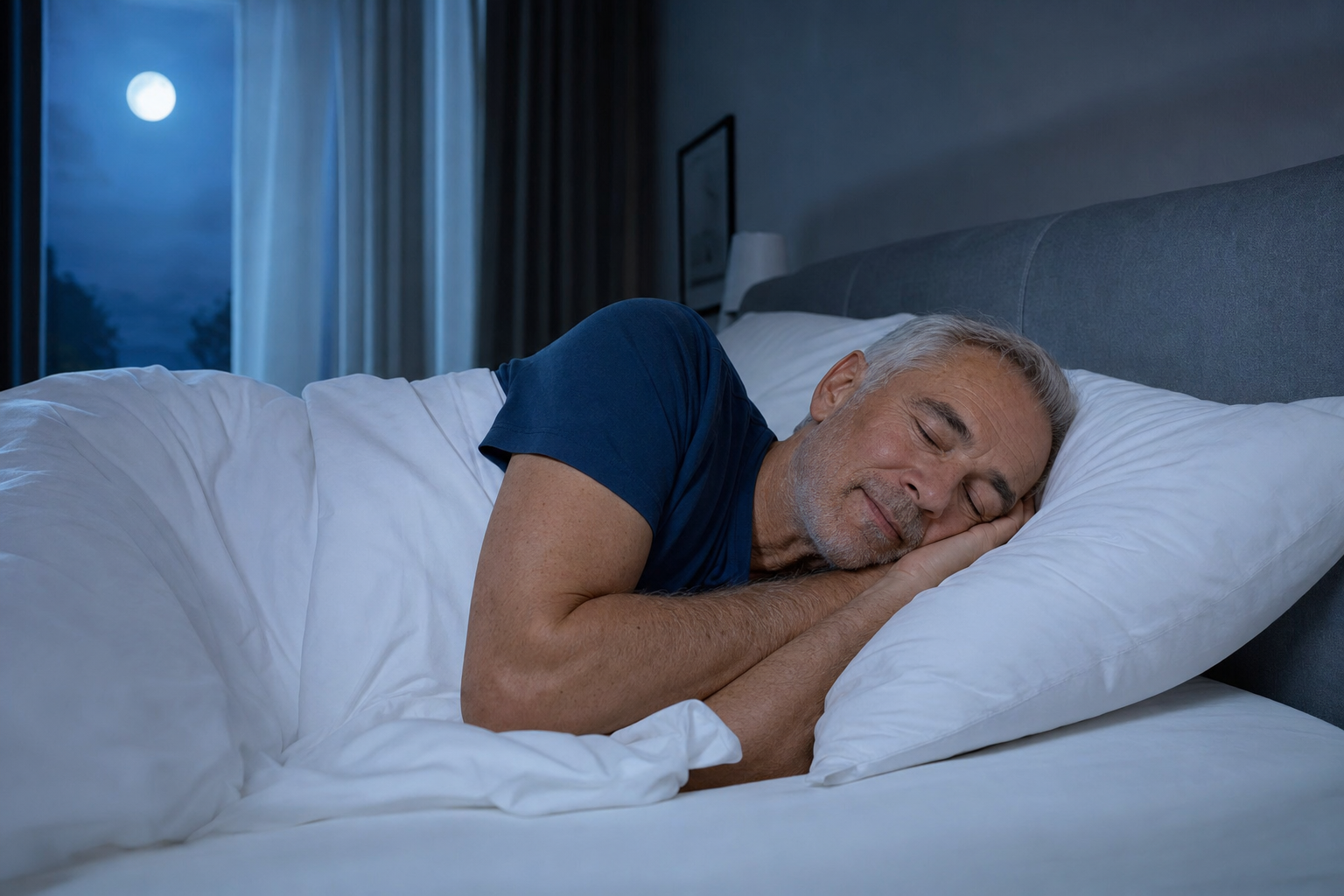
Sleep is one of the most profoundly affected physiological processes as we age. From the 40s onward, sleep architecture shifts: deep slow-wave sleep (N3) decreases significantly, REM sleep timing changes, sleep becomes more fragmented with more frequent nighttime awakenings, and the circadian rhythm advances — meaning the natural tendency to feel sleepy and wake up shifts earlier. Total sleep time may decrease modestly, but the biggest change is in the quality and staging of sleep rather than hours alone. For the broader context of healthy aging, see our complete healthy aging guide.
Why Sleep Matters More as You Age
Brain Health and Dementia Risk
The relationship between sleep and brain aging is one of the most compelling in modern neuroscience. During deep sleep, the glymphatic system — the brain’s waste clearance network — is most active, flushing out amyloid-beta and tau proteins associated with Alzheimer’s disease. Consistently sleeping fewer than 7 hours per night in midlife is associated with significantly higher dementia risk in prospective studies. Poor sleep quality, not just duration, is an independent risk factor for cognitive decline. See our guide to preventing cognitive decline for this connection in context.
Cardiovascular Health
Chronic sleep deprivation raises blood pressure, increases inflammatory markers, impairs glucose metabolism, and elevates cardiovascular disease risk. The relationship is dose-dependent — each hour of sleep below 7 hours is associated with progressively higher cardiovascular risk. Good sleep quality supports the normal nocturnal dip in blood pressure that is important for cardiovascular health.
Immune Function
Sleep is critical for immune function at every age, but becomes increasingly important as immune competence naturally declines. During sleep, the immune system produces cytokines, T-cells, and antibodies. Poor sleep impairs vaccine response — a particularly significant concern in older adults who rely on vaccination for protection against serious infections.
Common Sleep Problems in Older Adults
Insomnia
Insomnia — difficulty falling or staying asleep — is the most common sleep disorder and becomes more prevalent with age, affecting up to 50% of older adults. It is frequently driven by anxiety, depression, pain, medication side effects, and conditioned arousal (the bed becoming associated with wakefulness rather than sleep). CBT-I (Cognitive Behavioural Therapy for Insomnia) is the gold-standard treatment, superior to sleeping pills for long-term outcomes.
Sleep Apnoea
Obstructive sleep apnoea — repeated episodes of airway obstruction during sleep — becomes more common with age and has serious consequences: fragmented sleep architecture, oxygen desaturation, elevated cardiovascular risk, cognitive impairment, and daytime fatigue. It frequently goes undiagnosed. If you snore loudly, wake frequently, experience morning headaches, or feel persistently tired despite adequate hours in bed, a sleep study is warranted.
Restless Legs Syndrome
Restless legs syndrome (RLS) — an irresistible urge to move the legs, typically worse at night — increases in prevalence with age and can severely disrupt sleep onset. Iron deficiency is a common reversible cause; otherwise, neurological factors and certain medications (including antidepressants and antihistamines) can contribute.
Sleep Hygiene Habits for Older Adults
Consistent Schedule
Maintaining a consistent sleep and wake time — even on weekends — is the most impactful single sleep hygiene intervention at any age. It anchors the circadian rhythm and maximises deep sleep proportion. Given the advance in circadian phase that occurs with age, an earlier sleep window (10pm–6am rather than midnight–8am) typically aligns better with biological timing in older adults.
Light Management
Morning bright light exposure within 30–60 minutes of waking anchors the circadian clock and improves daytime alertness and nighttime sleep quality. Evening light reduction — dimming artificial lights from 2 hours before bed and minimising screen use — allows melatonin to rise naturally. This becomes particularly important as the amplitude of the melatonin signal decreases with age.
Managing Medications
Many commonly prescribed medications worsen sleep in older adults — including beta-blockers (suppress melatonin), SSRIs (can disturb REM sleep), corticosteroids (stimulating), some blood pressure medications, and diuretics (causing nighttime urination). A medication review with a pharmacist or GP looking specifically at sleep side effects is worthwhile for anyone experiencing unexplained sleep deterioration.
When to Seek Help
If sleep problems persist for more than 3 months and are affecting daytime function, professional assessment is warranted. A GP referral to a sleep specialist, or access to a CBT-I therapist or programme, is the most appropriate first step — not long-term sleeping pill use, which is associated with increased fall risk, cognitive impairment, and dependency in older adults.
FAQ
How does sleep change with age?
Deep sleep decreases, sleep becomes more fragmented, the circadian rhythm advances (earlier sleepiness), and nighttime awakenings increase — while REM sleep changes in timing and composition.
How much sleep do older adults need?
7–8 hours remains the recommended target for adults over 65. Sleep need doesn’t decrease as dramatically as sleep ability — most older adults who sleep fewer than 7 hours are sleep-deprived rather than fully rested.
Does poor sleep increase dementia risk?
Yes — multiple large prospective studies show that chronic short sleep and poor sleep quality in midlife significantly increase dementia risk, likely through impaired amyloid clearance and neuroinflammation.
Is melatonin safe for older adults?
Low-dose melatonin (0.5–1mg) is generally safe for short-term use in older adults and can help with circadian phase shifts. Long-term nightly use should be discussed with a doctor.
What is CBT-I?
Cognitive Behavioural Therapy for Insomnia — a structured programme addressing the thoughts and behaviours that maintain insomnia. It is more effective than sleeping pills for chronic insomnia and is recommended as the first-line treatment by all major sleep medicine guidelines.
Related: Hydration and Longevity: How Water Intake Shapes Energy, Skin, and Aging


 James Hargreaves
 Sarah Mitchell


 Emma Thornton
 Rachel Summers