
 Daniel Brooks
Why Fiber Is One of the Most Powerful Weight Loss Tools
Of all the dietary strategies studied for weight management, increasing fiber intake is one of the most consistently effective — and the most underutilised. Unlike calorie-counting approaches that require ongoing vigilance, fiber works through biological mechanisms that reduce hunger, lower calorie intake, and improve metabolic function automatically. For a complete understanding of what fiber is and how it works in the body, see our complete dietary fiber guide.
How Fiber Reduces Hunger and Calorie Intake
Fiber promotes satiety through multiple overlapping mechanisms — making it one of the most effective natural appetite regulators available.
Physical Fullness
High-fiber foods are bulky — they physically occupy more space in your stomach, activating stretch receptors that signal fullness to your brain. A large salad with chickpeas occupies far more gastric volume than the same number of calories from processed food, triggering satiety signals much more powerfully.
Slowed Gastric Emptying
Soluble fiber forms a gel in the stomach that slows the rate at which food leaves and enters the small intestine. This slows the absorption of nutrients and prolongs the feeling of fullness — meaning you feel satisfied for longer after a fiber-rich meal than after a low-fiber one of equivalent calories. Understanding soluble vs insoluble fiber helps clarify which foods are most effective for this mechanism.
Gut Hormone Regulation
When fiber reaches the large intestine, its fermentation by gut bacteria stimulates the release of gut hormones including GLP-1 (glucagon-like peptide-1) and PYY (peptide YY) — two of the most powerful satiety hormones in the body. These hormones signal the brain to reduce appetite and increase the feeling of fullness. This is the same pathway targeted by GLP-1 agonist medications — fiber activates it naturally and for free.
Blood Sugar Stabilisation
By slowing glucose absorption, fiber prevents the sharp blood sugar spikes and subsequent crashes that drive hunger, cravings, and reactive eating. Stable blood sugar throughout the day is one of the most important factors in reducing overall calorie intake without deliberate restriction.
Fiber and Body Weight — What the Research Shows
The evidence linking fiber intake to lower body weight is remarkably consistent. A landmark review published in the Annals of Internal Medicine found that simply increasing fiber intake to 30g per day — without any other dietary changes — produced meaningful weight loss in overweight adults over 12 months. Studies of high-fiber dietary patterns consistently show lower BMI, less abdominal fat, and reduced waist circumference compared to low-fiber diets. The effect is particularly pronounced for visceral fat — the metabolically dangerous fat stored around the organs.
The Best Fiber Foods for Weight Loss
The most weight-loss-friendly fiber foods combine high fiber content with high water content, high protein content, and low calorie density. Legumes (lentils, chickpeas, black beans) top this list — they are simultaneously high in fiber, high in protein, and moderate in calories, making them extraordinarily satiating per calorie. Non-starchy vegetables are next — extremely high in fiber per calorie, filling enormous amounts of gastric volume for very few calories. Oats, chia seeds, apples, and pears round out the top choices. See our best high fiber foods guide for full serving sizes and fiber counts. A structured fiber-rich meal plan can help you put these foods into practice daily.
FAQ
Does fiber help with weight loss?
Yes — fiber reduces hunger through multiple mechanisms, stabilises blood sugar, and is consistently associated with lower body weight and less abdominal fat in large studies.
How much fiber do I need to lose weight?
Studies show that 30g per day is sufficient to produce meaningful weight loss without other dietary changes. Most people currently eat 15–17g daily.
What fiber foods are best for weight loss?
Legumes, non-starchy vegetables, oats, chia seeds, apples, and pears — foods that are high in fiber, high in water, and filling per calorie.
Does fiber reduce belly fat?
Yes — high fiber intake is particularly associated with reduced visceral (abdominal) fat, which is the metabolically active and most health-damaging type of body fat.
Can I lose weight just by eating more fiber?
Evidence suggests yes — increasing fiber intake alone, without other deliberate dietary changes, produces significant weight loss in overweight adults over 12 months.
Does fiber speed up metabolism?
Fiber doesn’t directly speed metabolism, but the short-chain fatty acids produced from fiber fermentation (particularly propionate) do influence metabolic rate and fat storage signalling.


 Emma Thornton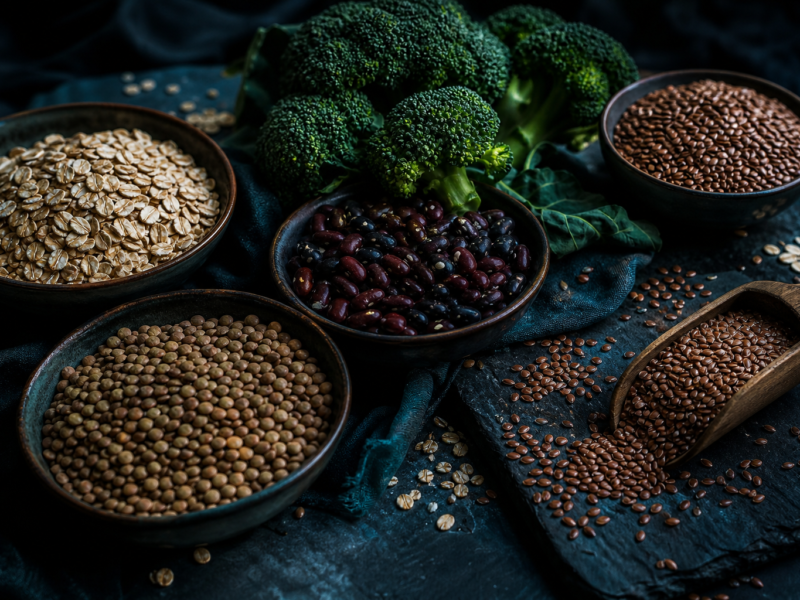
 James Hargreaves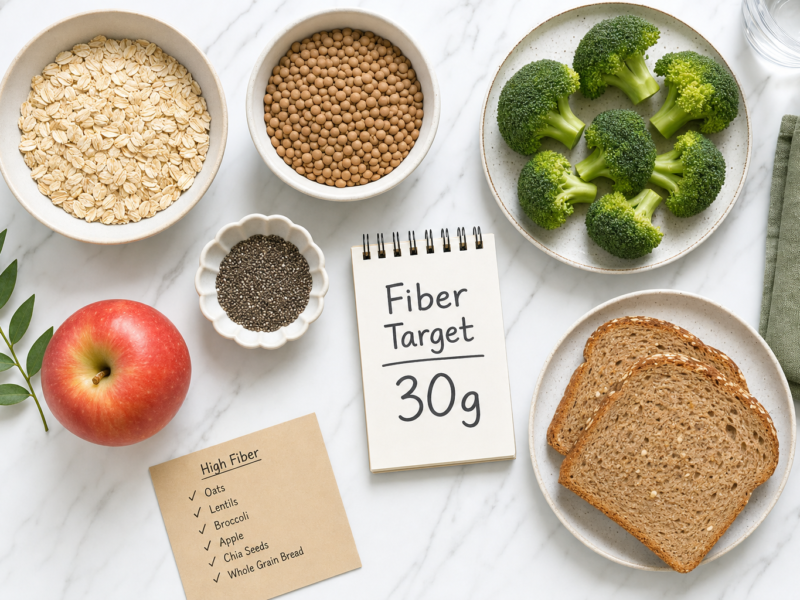
 Sarah Mitchell
 Rachel Summers