 James Hargreaves
This article is for informational purposes only and does not constitute medical advice. Always consult a qualified healthcare professional before making significant changes to your diet.
Why Food Is the Foundation of Gut Health
If you want to improve your gut health, food is where to start. Not supplements. Not expensive protocols. Food.
Your gut microbiome — the trillions of bacteria, fungi, and other microorganisms living in your digestive tract — is shaped more by what you eat than by almost any other factor. Feed those microbes well and they thrive, producing short-chain fatty acids that reduce inflammation, strengthen your gut lining, and support your immune system. Feed them poorly and microbial diversity drops, opportunistic bacteria take hold, and you start feeling it: bloating, sluggish digestion, poor energy, skin that won’t clear up.
The good news is that the microbiome responds to dietary changes relatively quickly — within days in some cases. This guide covers the foods with the strongest evidence for gut health, the foods that commonly cause problems, and how to put it all together in a practical way. For a broader overview of what gut health actually means and involves, see our complete gut health guide.
The Best Food Groups for Gut Health
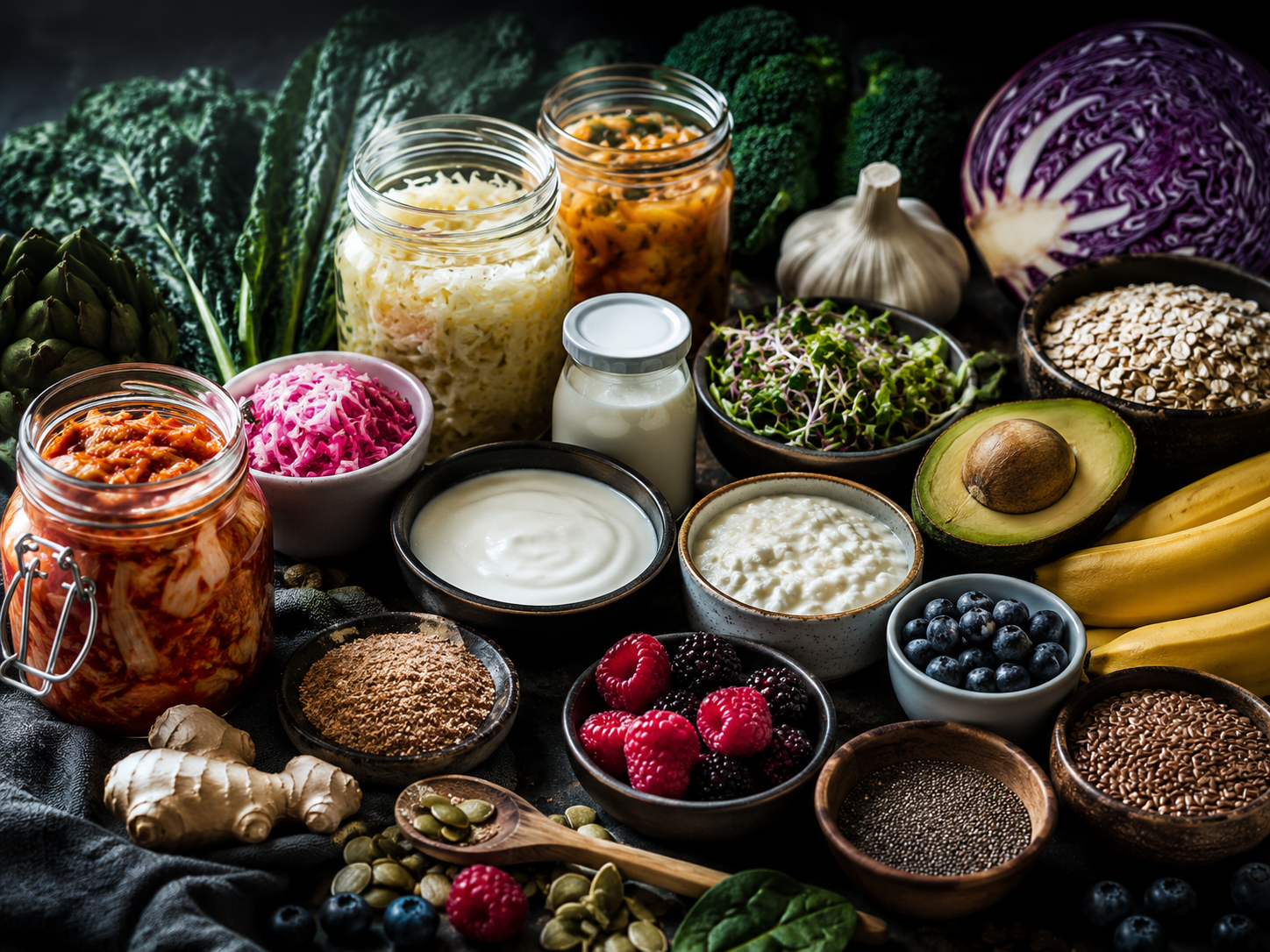
Fiber-Rich Plants
If there’s one dietary change that consistently improves gut health across the research, it’s eating more plants — and more variety of plants. A landmark study found that people eating 30 or more different plant foods per week had significantly greater microbial diversity than those eating 10 or fewer. Diversity in what you eat creates diversity in your microbiome, and a diverse microbiome is a resilient one.
The fiber in plants is what matters most. Dietary fiber feeds beneficial gut bacteria — it’s essentially their food source. Without adequate fiber, those bacteria starve, diversity drops, and the microbiome becomes less capable of doing its job.
The best fiber-rich plants for gut health include:
- Legumes — lentils, chickpeas, black beans, kidney beans. Exceptionally high in both soluble and insoluble fiber. Also rich in resistant starch, which feeds bacteria deep in the colon.
- Whole grains — oats, barley, brown rice, quinoa, wholegrain bread and pasta. Oats and barley are particularly valuable for their beta-glucan content, a soluble fiber with strong evidence for gut and cardiovascular health.
- Vegetables — especially the less glamorous ones: broccoli, Brussels sprouts, leeks, asparagus, artichokes, and sweet potato. Don’t just eat the same three vegetables — vary it.
- Fruits — berries, apples (with skin), pears, kiwifruit, and bananas. Kiwifruit deserves a special mention: clinical trials show that eating two kiwis per day significantly improves bowel transit time and reduces bloating.
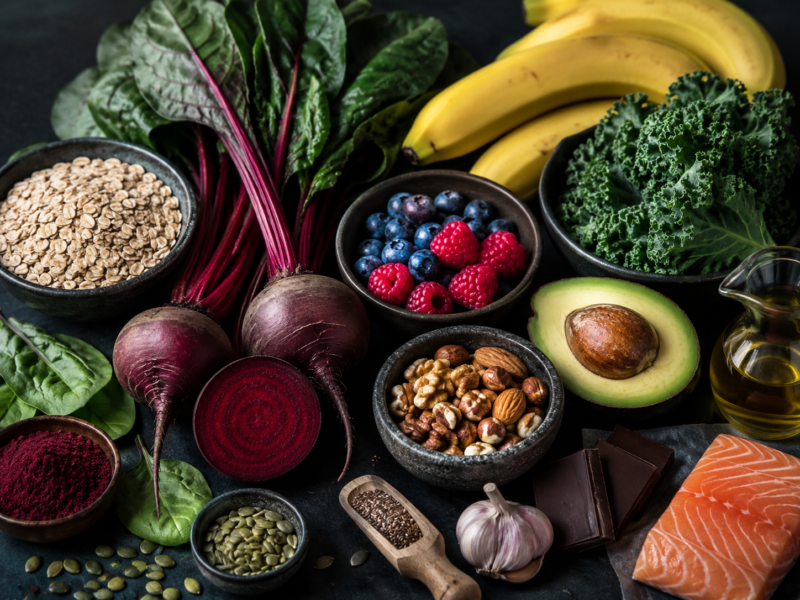
- Nuts and seeds — almonds, walnuts, flaxseeds, chia seeds, hemp seeds. All count toward your plant diversity goal and provide fiber plus beneficial fats.
- Herbs and spices — even small amounts count. Garlic, onion, turmeric, ginger, rosemary — these add to your plant diversity tally and many have their own gut-supportive properties.
A practical goal: aim to eat a different plant at every meal, and try to introduce at least one new plant food each week. Over time, this accumulates into real microbial diversity.
Fermented Foods
Fermented foods have been part of traditional diets across virtually every culture for thousands of years. They contain live microorganisms — mostly bacteria — that can contribute to gut microbiome diversity and help maintain a healthy digestive environment.
A 2021 study from Stanford University found that a diet high in fermented foods increased microbiome diversity and reduced inflammatory markers more effectively than a high-fiber diet alone — a striking finding that has renewed scientific interest in fermented foods beyond their probiotic content alone.
The most well-studied fermented foods include:
- Yoghurt — probably the most accessible. Look for “live cultures” or “active cultures” on the label. Plain, unsweetened yoghurt is preferable — flavoured varieties often have enough added sugar to offset the benefit.
- Kefir — a fermented milk drink with a broader range of probiotic strains than yoghurt. Tart and slightly fizzy. Available at most supermarkets. Dairy-free coconut kefir is also available.
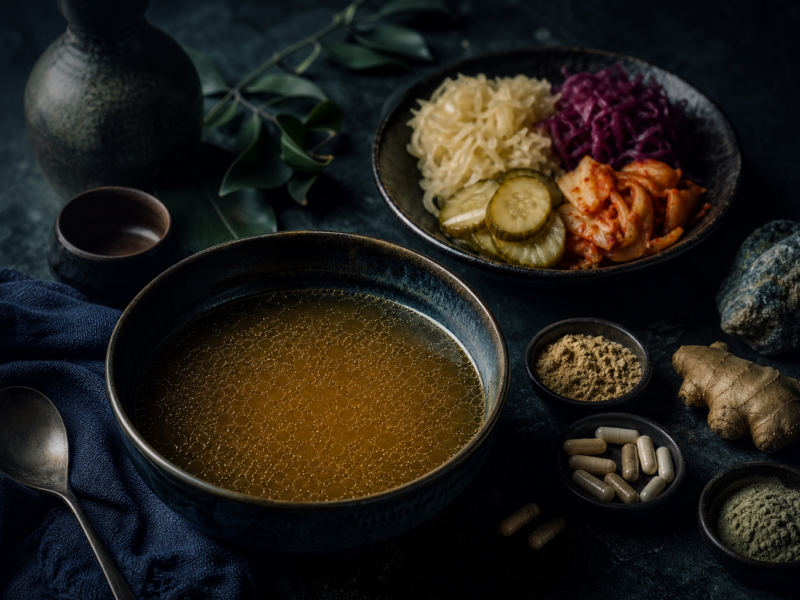
- Sauerkraut — fermented cabbage. The key is buying refrigerated, unpasteurised sauerkraut — the shelf-stable jarred versions have usually been heat-treated, killing the live bacteria. A tablespoon or two with a meal is enough.
- Kimchi — Korean fermented vegetables, typically cabbage and radish with chilli. One of the most microbiome-diverse fermented foods studied. Adds flavour and variety to meals.
- Miso — fermented soybean paste used in Japanese cooking. Rich in beneficial bacteria and also a source of plant protein. Use it in dressings, soups, and marinades — don’t boil it, as heat destroys the live cultures.
- Tempeh — fermented soy, firm and nutty. One of the best plant-based protein sources, with the added benefit of fermentation. Works well in stir-fries and salads.
- Kombucha — fermented tea. Worth including but watch the sugar content — some commercial kombuchas are very high in added sugar, which can counteract gut benefits.
A word of caution: if you have SIBO (small intestinal bacterial overgrowth), Crohn’s disease, or a compromised immune system, fermented foods may not be appropriate without medical guidance. Start slowly with small amounts and see how your gut responds.
Prebiotic Foods
Prebiotics are specific types of fiber that selectively feed beneficial gut bacteria — they’re essentially the fertiliser for your microbiome. Unlike general dietary fiber, prebiotics are fermented by specific bacteria (particularly Bifidobacterium and Lactobacillus species) and have measurable effects on microbial composition.
The best natural prebiotic foods include:
- Garlic and onions — among the richest sources of inulin and fructooligosaccharides (FOS). Even small amounts have meaningful prebiotic effects. Raw is more potent than cooked.
- Leeks and asparagus — also high in inulin. Asparagus is one of the few vegetables that provides significant prebiotic benefit even when cooked.
- Jerusalem artichokes — perhaps the most potent prebiotic food, but introduce gradually as they can cause significant gas in people not used to them.
- Oats — the beta-glucan in oats acts as a prebiotic, selectively feeding beneficial bacteria. This is partly why oats are consistently linked with improved gut and metabolic health.
- Cooked and cooled potatoes and rice — when starchy foods are cooked and then cooled, some of the starch converts to resistant starch, which acts as a prebiotic. Potato salad and cold rice dishes are surprisingly good for your microbiome.
- Green bananas and slightly unripe bananas — richer in resistant starch than fully ripe bananas. As bananas ripen, the resistant starch converts to regular sugar.
- Flaxseeds — contain a mix of soluble and insoluble fiber with prebiotic properties, plus anti-inflammatory omega-3 fatty acids. Ground flaxseed is better absorbed than whole.
Hydrating Foods and Fluids
Water doesn’t get nearly enough credit in gut health conversations. Adequate hydration is essential for bowel motility — without enough fluid, even a high-fiber diet can cause constipation rather than relieve it. Fiber needs water to do its job properly.
Most adults need around 2–2.5 litres of fluids per day from all sources, more in hot weather or with exercise. Water-rich foods also contribute: cucumber, celery, lettuce, tomatoes, oranges, and watermelon all have high water content and can support hydration alongside plain fluids.
Herbal teas deserve a specific mention for gut health. Peppermint tea relaxes intestinal smooth muscle and can help with gas and bloating. Ginger tea supports gastric emptying. Fennel tea has traditional use for digestive discomfort. Chamomile has mild anti-inflammatory and antispasmodic effects. These aren’t miracle cures, but they’re genuinely soothing and a good alternative to caffeinated drinks, which can be irritating for some people.
Foods That Commonly Worsen Bloating
Gut health eating isn’t only about adding the right things — it’s also about being aware of what commonly causes problems. This is highly individual, but some patterns are worth knowing.
Ultra-Processed and High-Sugar Foods
Ultra-processed foods — those made with industrial ingredients and additives not found in a home kitchen — are consistently associated with reduced gut microbial diversity in research. The mechanisms include their low fiber content, the presence of emulsifiers (like polysorbate 80 and carboxymethylcellulose) that may disrupt the intestinal mucus layer, and artificial sweeteners that can alter microbial composition.
This doesn’t mean you need to eliminate every processed food. It means that if chips, packaged snacks, fast food, and sugary drinks are the bulk of your diet, your microbiome is almost certainly reflecting that. Crowding these foods out with whole foods is the practical goal — not perfection.
High added sugar is also worth watching for separate reasons. Sugar feeds a range of bacteria including some less beneficial strains, and can contribute to dysbiosis over time when consumed in excess.
Carbonated Drinks and Sugar Alcohols
Carbonated drinks introduce gas directly into the digestive tract. For most people this is minor and temporary, but for those with sensitive guts or IBS, even sparkling water can contribute to bloating and discomfort. If you’re experiencing persistent bloating, switching to still water and herbal teas is worth trying for a few weeks to see if it makes a difference.
Sugar alcohols — xylitol, sorbitol, mannitol, erythritol — are widely used in sugar-free products including chewing gum, protein bars, low-calorie drinks, and “diabetic” foods. They’re poorly absorbed in the small intestine, which means they travel to the large intestine where gut bacteria rapidly ferment them, producing significant gas. Even small amounts can cause bloating, cramping, and loose stools in sensitive people. Check ingredient labels if you’re experiencing unexplained digestive symptoms.
Personal Trigger Foods
Beyond the common culprits above, gut reactions are highly individual. High-FODMAP foods — a category that includes onions, garlic, wheat, certain legumes, apples, and some dairy — cause significant bloating in people with IBS or sensitive guts, yet are perfectly fine for others. Dairy causes problems for people with lactose intolerance but not for those with adequate lactase activity. Wheat causes serious harm in people with coeliac disease but is fine for most people without it.
The best way to identify your personal triggers is a food and symptom diary kept for two to four weeks. Note what you eat, when, and any digestive symptoms that follow. Patterns become clearer over time. A structured low-FODMAP elimination diet — ideally guided by a registered dietitian — is the gold standard approach for IBS-related symptoms. For more on bloating and its causes, see our gut health and bloating guide.
How to Build a Gut-Friendly Meal Plan
Breakfast Ideas
- Overnight oats with kefir, mixed berries, ground flaxseed, and a drizzle of honey — hits fiber, prebiotics, fermented food, and plant diversity in one bowl
- Plain yoghurt with sliced banana (slightly unripe), a handful of walnuts, and a sprinkle of mixed seeds
- Wholegrain toast with mashed avocado, a poached egg, and fermented hot sauce or a side of sauerkraut
- Smoothie with kefir or plain yoghurt, frozen berries, a handful of spinach, ground chia seeds, and half a green banana
Lunch and Dinner Templates
- Grain bowl template: cooked and cooled grain (brown rice, quinoa, barley) + roasted or raw vegetables (aim for 3-4 types) + legume (chickpeas, lentils, edamame) + fermented element (kimchi, pickled vegetables) + dressing with garlic, lemon, olive oil
- Soup template: legume-based (lentil, minestrone, black bean) with plenty of vegetables, served with wholegrain bread
- Stir-fry template: varied vegetables (aim for 5+ types) + tempeh or tofu + wholegrain noodles or brown rice + miso-based sauce
- Salad template: leafy base (mixed greens, rocket, spinach) + roasted vegetables + chickpeas or lentils + nuts or seeds + fermented element + olive oil dressing with raw garlic
Snack Options
- Apple with almond butter (fiber + healthy fat)
- Hummus with vegetable sticks (legume fiber + prebiotic vegetables)
- Plain yoghurt with a handful of berries
- A small handful of mixed nuts and seeds
- Oatcakes with avocado and a pinch of chilli
- Edamame with sea salt
Frequently Asked Questions About Gut Health Foods
What are the best foods for gut health?
Diversity is the key word. A wide variety of plant foods (vegetables, fruits, legumes, whole grains, nuts, seeds, herbs), fermented foods (yoghurt, kefir, sauerkraut, kimchi, miso), and adequate water are the foundation. No single food is a magic solution — the pattern of eating matters more than any individual item.
Are fermented foods necessary?
Not strictly necessary, but they’re a highly practical way to introduce live microorganisms into your diet. If you don’t enjoy fermented foods, focusing on prebiotic-rich plants and getting adequate fiber can still produce meaningful gut health improvements. That said, the Stanford 2021 trial data on fermented foods is compelling — they’re worth including if you can tolerate them.
How much fiber is enough?
The Australian Dietary Guidelines recommend 25g per day for women and 30g per day for men. Most adults get around 20g. Increasing gradually is important — a sudden large increase in fiber intake typically causes gas and bloating as your microbiome adjusts. Increase by 3-5g per week and ensure you’re drinking plenty of water alongside. For information on fiber supplements that can help bridge the gap, see our gut health supplements guide.
What foods should I avoid for bloating?
Common culprits include carbonated drinks, foods containing sugar alcohols, high-FODMAP foods in sensitive individuals, and eating too quickly. Identifying your personal triggers is more useful than following a generic list — what causes bloating in one person may be perfectly fine for another.
Can I improve gut health just by changing my diet?
Diet is the most powerful lever available, but lifestyle factors also matter. Sleep quality, stress levels, and physical activity all affect gut microbiome composition independently of diet. For most people, a combination of dietary improvements and lifestyle changes produces the best results. See our gut health tips guide for the full lifestyle picture.
Simple Food Swaps for Better Digestion
You don’t need to overhaul your entire diet at once. Small, consistent swaps compound over time:
- White rice → brown rice or a grain mix (more fiber, more microbiome benefit)
- White bread → sourdough or wholegrain (better fiber profile; sourdough fermentation makes nutrients more bioavailable)
- Flavoured yoghurt → plain yoghurt with fruit (live cultures without excess sugar)
- Potato crisps → mixed nuts or roasted chickpeas (fiber instead of refined starch)
- Juice → whole fruit (retains fiber that juice removes)
- Regular pasta → wholegrain pasta (modest fiber improvement with no taste sacrifice)
- Cream-based sauces → tomato or legume-based sauces (more fiber, more plant diversity)
- Soft drink → kombucha or sparkling water with a squeeze of lemon (reduces sugar and carbonation load)
Medical Disclaimer: The information in this article is for general educational purposes only and does not constitute medical advice. Always speak with a qualified healthcare professional before making significant dietary changes, particularly if you have a diagnosed digestive condition.
Related Reading:
Gut Health: The Complete 2026 Guide
Gut Health and Bloating: What Causes It and How to Fix It
Gut Health Supplements: What Works and What Doesn’t
Gut Health Tips: Simple Daily Habits

 Elena Voss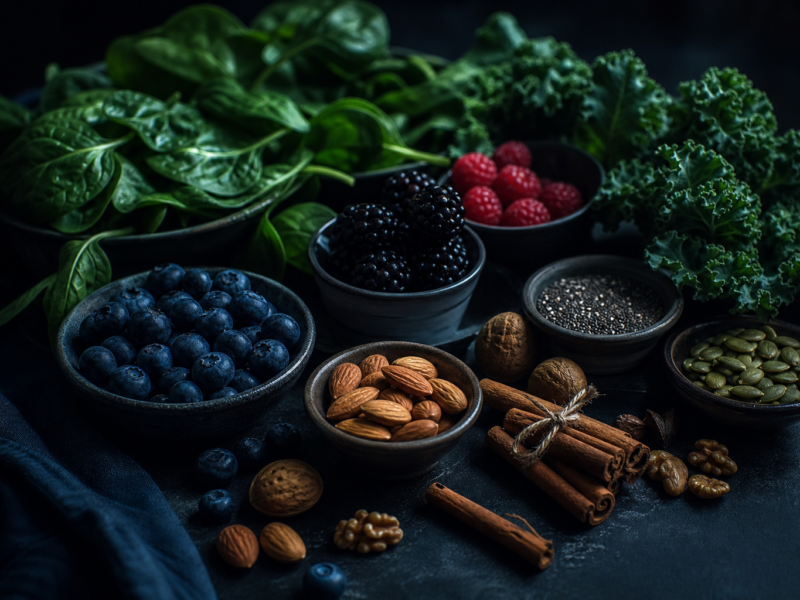
 Sarah Mitchell
 Emma Thornton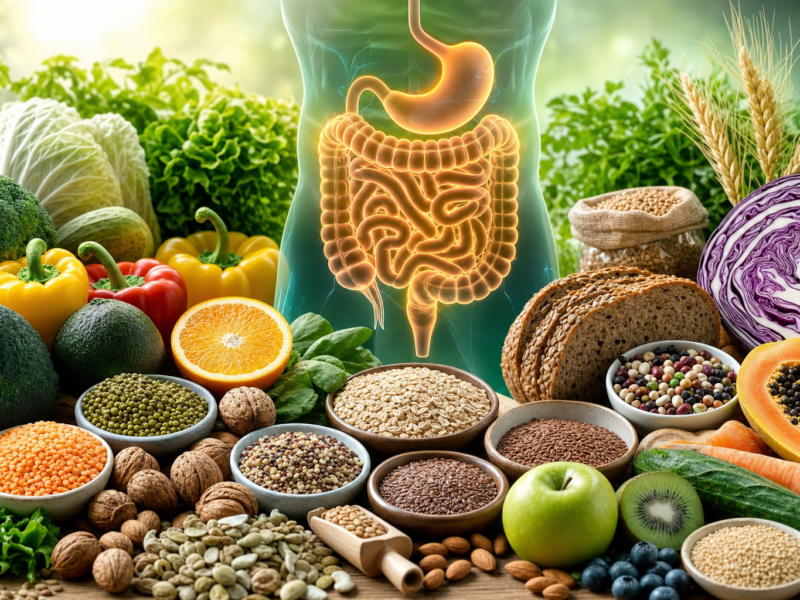
 Ashley
 James Hargreaves