 Daniel Brooks
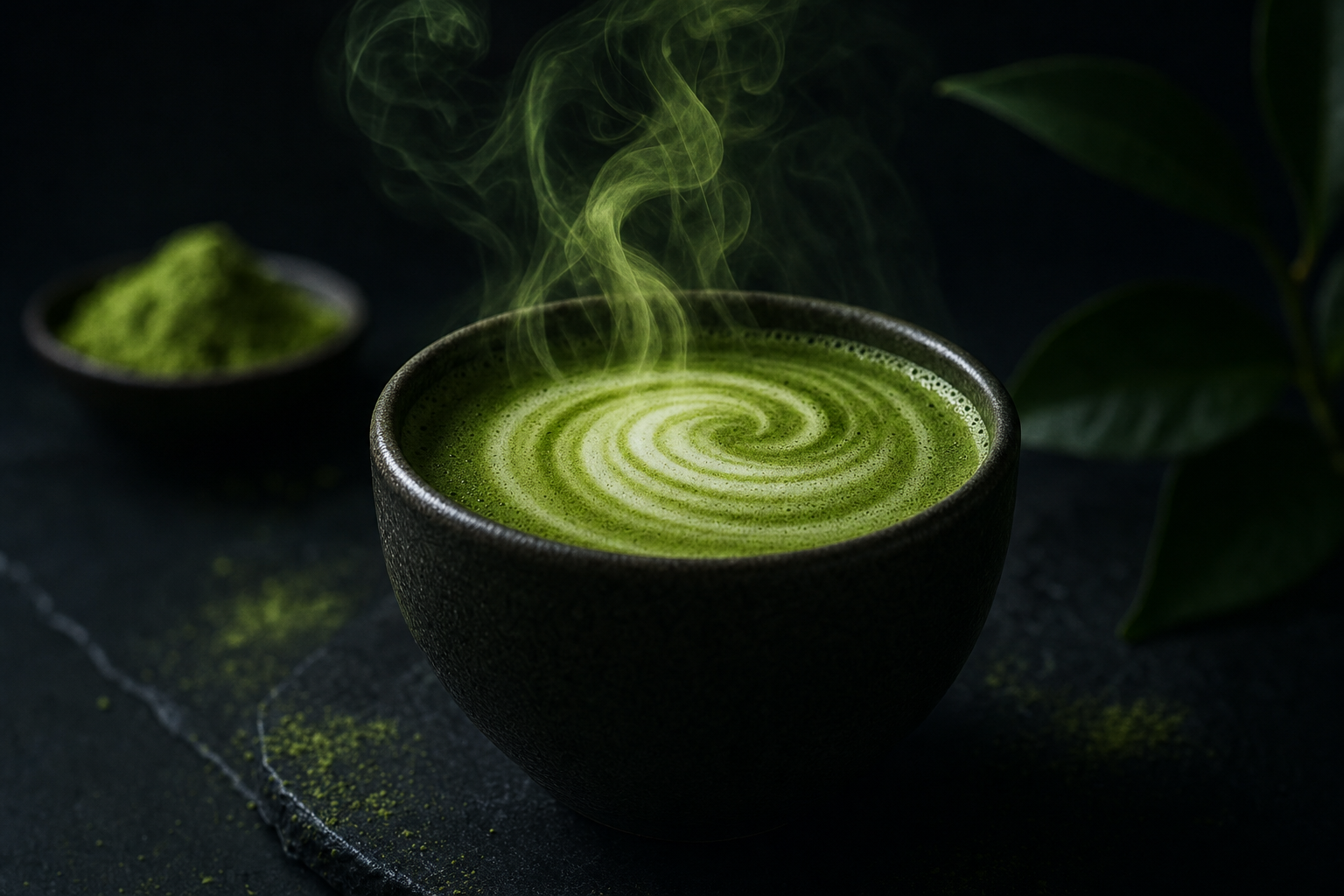
Yes — matcha absolutely contains caffeine. In fact, it contains significantly more caffeine than regular green tea, and possibly more than you’d expect. But the way that caffeine works in your body is what makes matcha genuinely different from coffee — and why so many people describe the matcha energy as “cleaner” and calmer.
Here’s everything you need to know about caffeine in matcha: how much, how it compares to coffee, and why it hits differently.
How Much Caffeine Is in Matcha?
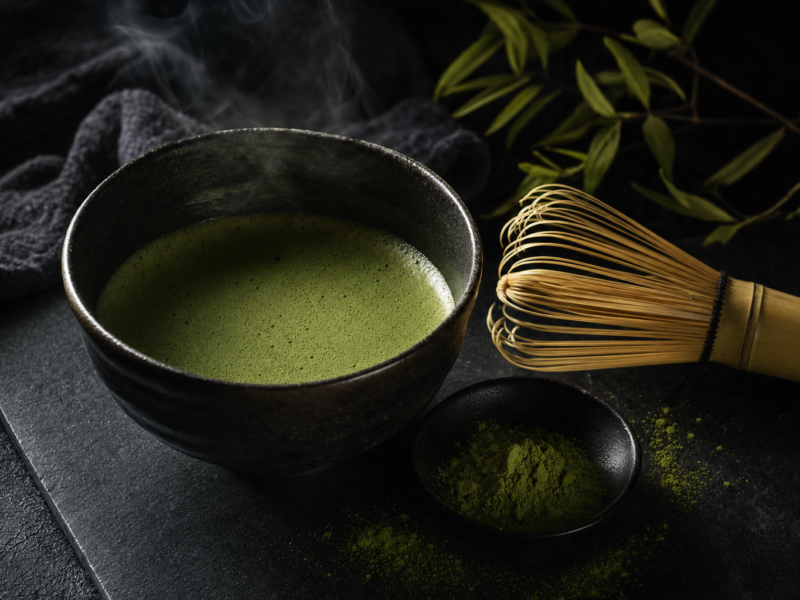
A standard serving of matcha — roughly 1 teaspoon (about 2 grams of powder) whisked into 60–80ml of water — contains approximately 40–70mg of caffeine. This varies based on the quality and grade of the matcha, how much powder you use, and the specific harvest.
| Drink | Serving Size | Caffeine Content |
|---|---|---|
| Matcha (1 tsp / 2g) | 60–80ml | 40–70mg |
| Matcha latte (1 tsp / 2g) | 240ml | 40–70mg |
| Espresso (single shot) | 30ml | 63mg |
| Drip coffee | 240ml | 95–200mg |
| Regular green tea | 240ml | 28–35mg |
| Black tea | 240ml | 47–90mg |
| Decaf coffee | 240ml | 2–15mg |
So matcha has roughly twice the caffeine of regular green tea and is comparable to a single espresso shot — but far less than a full cup of drip coffee. A double-matcha preparation (2 teaspoons) would rival a strong coffee.
Why Does Matcha Contain More Caffeine Than Green Tea?
Two reasons:
1. You consume the whole leaf. When you drink regular green tea, you steep the leaves in water and then discard them. You extract some of the compounds, but many — including a significant portion of the caffeine — remain in the leaf. With matcha, the leaf is stone-ground into a fine powder and you consume it entirely. You get 100% of the caffeine, not just the portion that diffuses into hot water.
2. Shade-growing concentrates nutrients. Matcha is grown under shade for 3–4 weeks before harvest. This stress response causes the plant to produce more chlorophyll, more L-theanine, and more caffeine than sun-grown tea plants.
Why Does Matcha Feel Different From Coffee?
This is the part that surprises most people. Despite containing similar caffeine levels to an espresso, matcha rarely causes the jitteriness, anxiety, or energy crash that coffee can. The reason is L-theanine.
L-theanine is an amino acid found almost exclusively in tea plants. It’s present in regular green tea, but matcha — being shade-grown and consumed as a whole leaf — contains significantly higher concentrations. L-theanine promotes a state of relaxed alertness by:
- Increasing alpha brain wave activity (the same waves associated with meditation)
- Modulating the absorption rate of caffeine, slowing its uptake and extending its duration
- Reducing the anxiety and overstimulation that caffeine can cause on its own
- Increasing dopamine and GABA levels, promoting a calm, focused mental state
The result is what matcha drinkers consistently describe as “calm energy” — alert, focused, and productive without the spike-and-crash cycle of coffee. Research backs this up: multiple studies show that the combination of caffeine and L-theanine improves cognitive performance, attention, and reaction time more effectively than either compound alone.
How Long Does the Caffeine in Matcha Last?
The L-theanine in matcha slows caffeine absorption, which means the energy tends to build gradually rather than hitting all at once. Most matcha drinkers report that the effects last 4–6 hours — longer and more consistent than coffee, without the abrupt crash.
The peak energy effect is typically felt around 1–2 hours after drinking, compared to coffee which peaks within 30–60 minutes and drops off more sharply.
Is Matcha Safe During Pregnancy?
Current medical guidelines recommend that pregnant women limit caffeine intake to under 200mg per day. A single standard matcha (40–70mg caffeine) falls well within this limit, making moderate matcha consumption generally considered safe during pregnancy. However, because matcha is also high in certain antioxidants that can interact with iron absorption, it’s worth discussing with your healthcare provider — particularly if you’re managing iron levels.
Can You Drink Matcha Every Day?
For most healthy adults, yes. A daily serving of matcha (40–70mg caffeine) is well within safe caffeine limits and comes with significant antioxidant and cognitive benefits. Some research suggests that regular consumption of matcha and green tea is associated with lower risks of cardiovascular disease, certain cancers, and age-related cognitive decline.
Where to be cautious: people sensitive to caffeine, those with anxiety disorders, pregnant or breastfeeding women, or anyone on medications that interact with caffeine should moderate their intake and consult a healthcare professional.
How to Reduce Caffeine in Matcha
If you enjoy matcha but want less caffeine:
- Use less powder — half a teaspoon (1g) cuts the caffeine roughly in half
- Use a larger liquid ratio — more water or milk dilutes the concentration
- Choose a lower-grade culinary matcha — paradoxically, some lower grades have slightly less caffeine due to being made from older leaves
- Drink it later in the day with food — eating alongside caffeinated drinks slows absorption
Frequently Asked Questions
A standard serving of matcha (1 teaspoon / 2g) contains 40–70mg of caffeine — roughly comparable to a single espresso shot but less than a full cup of drip coffee (95–200mg). However, the presence of L-theanine in matcha modulates the caffeine effect, producing a calmer, more sustained energy than coffee.
A matcha latte made with a standard 1 teaspoon (2g) of matcha contains 40–70mg of caffeine — the same as the matcha itself, since adding milk doesn’t change the caffeine content. A double-shot matcha latte with 2 teaspoons would contain 80–140mg.
Yes, matcha’s caffeine content will promote wakefulness and alertness. The L-theanine moderates the experience, making it feel calmer than coffee, but it is still a stimulant. Avoid matcha within 6 hours of your intended bedtime if you’re sensitive to caffeine’s sleep-disrupting effects.
For most healthy adults, no. The caffeine levels in a standard serving of matcha are moderate and well within safe daily limits. The combination of caffeine and L-theanine is actually associated with improved cognitive performance and mood. People with caffeine sensitivity, anxiety disorders, or certain health conditions should moderate intake.
Yes — significantly more. Regular green tea contains about 28–35mg of caffeine per 240ml cup, while the same serving of matcha (using approximately 2g of powder) contains 40–70mg. This is because with matcha, you consume the entire powdered leaf rather than just water steeped through the leaves.
This article is for informational purposes only and does not constitute medical advice. Consult your healthcare provider regarding caffeine intake during pregnancy or if you have a health condition.
Related reading: Matcha Benefits, What Does Matcha Taste Like?, Green Tea Benefits.

 Emma Thornton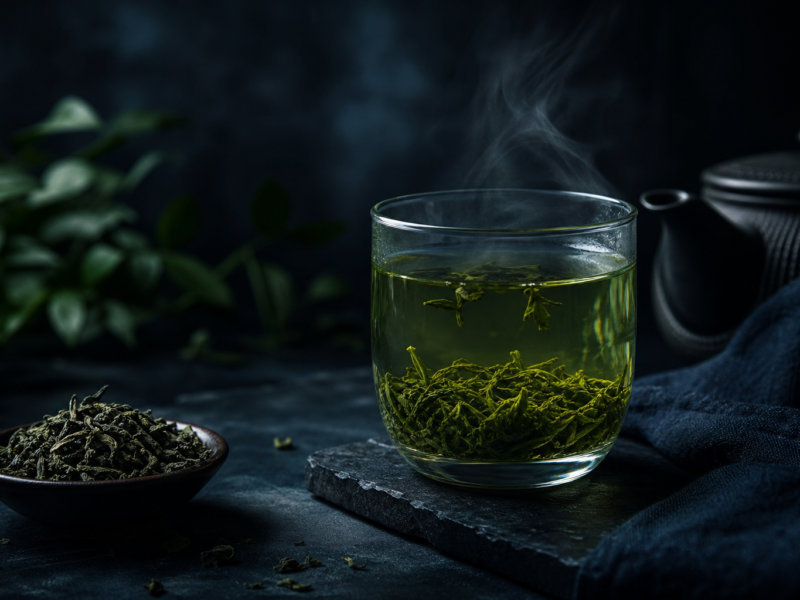
 Elena Voss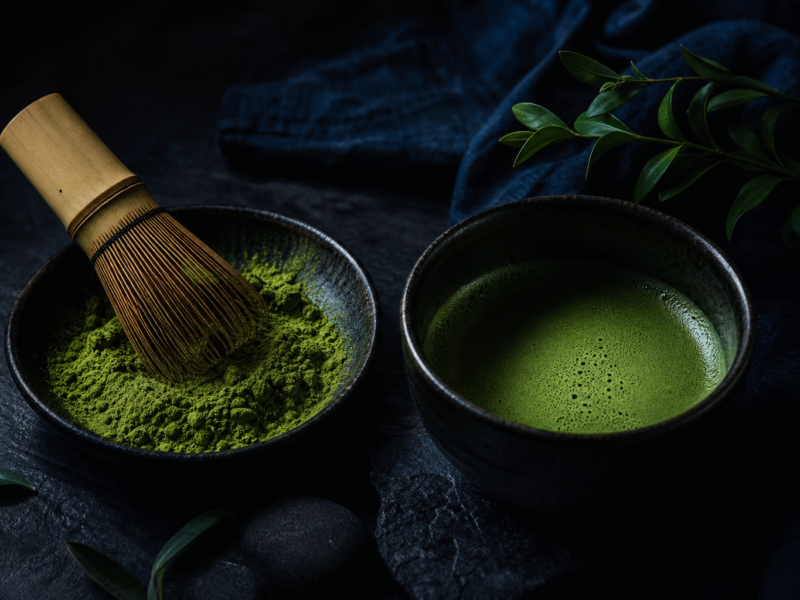
 James Holloway