 Emma Thornton
You’ve seen it everywhere — in lattes, ice cream, baked goods, morning routines. But if you’ve never actually tried matcha, the question is a fair one: what does it actually taste like? And will you like it?
The honest answer is that matcha has a flavour profile unlike anything else — simultaneously earthy, grassy, slightly sweet, and bitter. But the quality of the matcha, and how it’s prepared, changes the experience dramatically. Here’s everything you need to know before your first sip.
What Does Matcha Taste Like?
Matcha has a complex, layered flavour that most people describe using some combination of these words:
- Earthy — a deep, vegetal quality that comes from the chlorophyll-rich tea leaves
- Grassy — like the scent of fresh-cut grass or steamed spinach
- Umami — a rich, savoury depth that makes it more complex than regular green tea
- Slightly sweet — high-quality matcha has a natural sweetness that balances the bitterness
- Bitter — especially in lower grades; a sharp, tannic bitterness that can be off-putting if unexpected
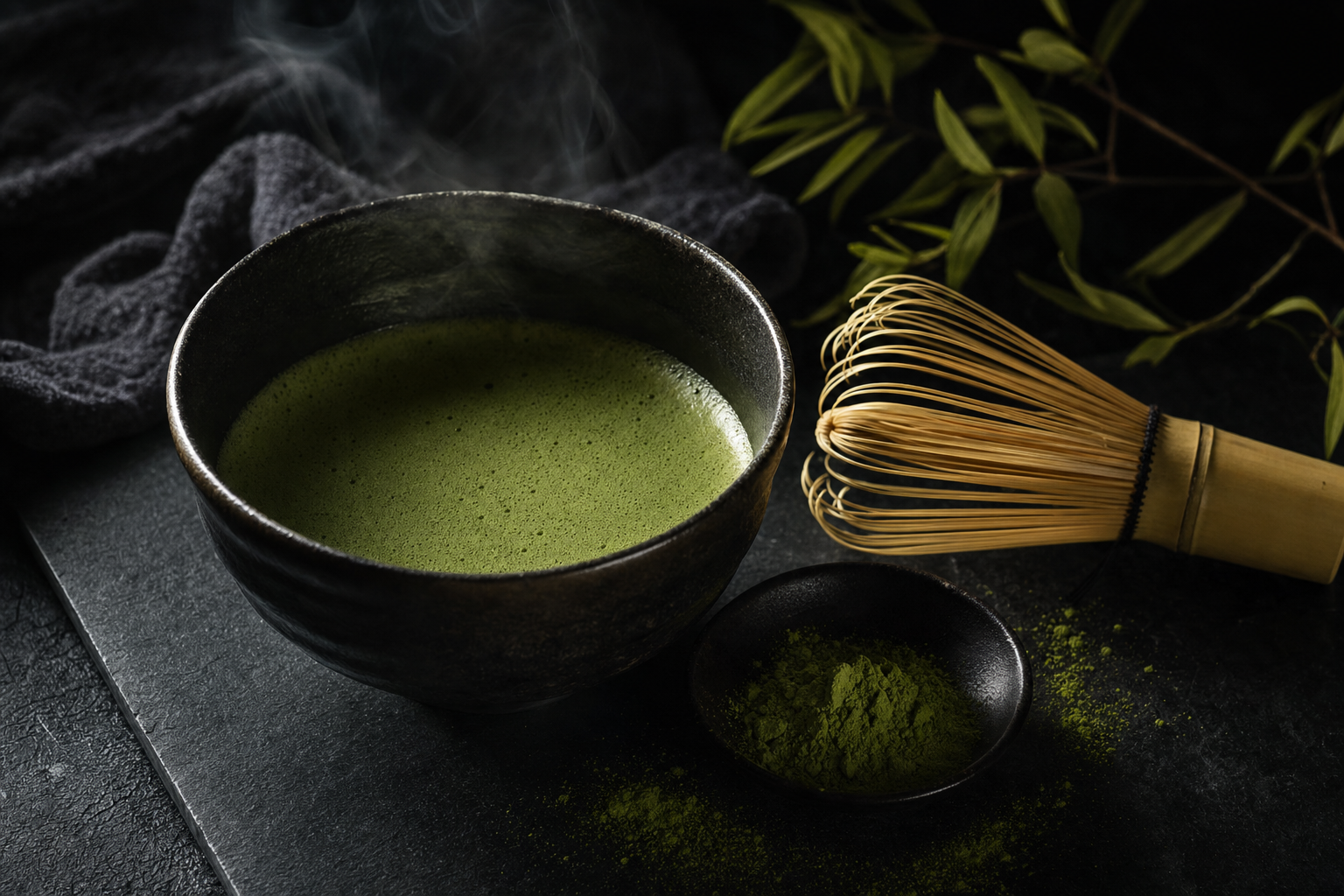
- Creamy — when whisked properly with hot water, good matcha develops a smooth, almost velvety texture
The overall effect is nothing like a regular cup of green tea, which is lighter, more delicate, and less intense. Matcha is concentrated — made from whole powdered tea leaves rather than water steeped through leaves — so everything is amplified.
Does Matcha Taste Like Green Tea?
Yes and no. Both come from the same plant (Camellia sinensis), and both share some grassy, vegetal notes. But the similarity ends there. Regular green tea is mild, light, and slightly astringent. Matcha is intense, rich, creamy, and deeply umami-forward.
Think of it this way: if regular green tea is a watercolour, matcha is an oil painting of the same scene. Same subject, completely different weight and depth.
Why Does Matcha Taste Bitter?
Bitterness in matcha comes primarily from catechins — a family of antioxidant compounds (EGCG being the most studied) found in green tea. The bitterness level in your cup is influenced by several factors:
- Grade of matcha: Ceremonial-grade matcha uses young, shade-grown leaves with naturally higher amino acid content — this produces sweetness and umami that balance the catechins. Culinary-grade matcha uses older leaves with more catechins and less amino acid sweetness, producing a sharper, more bitter flavour.
- Water temperature: Using water that’s too hot (above 80°C / 176°F) extracts more bitter compounds. Ideal temperature is 70–75°C (158–167°F).
- Amount of powder: Using too much matcha powder for the amount of water will intensify bitterness dramatically.
- Freshness: Old matcha — past its prime — becomes more bitter and loses its sweetness and depth.
Ceremonial Grade vs. Culinary Grade: How They Taste Different
| Grade | Flavour Profile | Best Used For | Price Range |
|---|---|---|---|
| Ceremonial grade | Sweet, smooth, complex umami, low bitterness | Drinking straight (whisked with water) | Higher |
| Premium culinary | Balanced — some sweetness, moderate bitterness | Lattes, smoothies, baking | Medium |
| Standard culinary | Sharper, more bitter, intensely grassy | Baking, cooking, strong flavoured recipes | Lower |
If you’re drinking matcha for the first time, start with ceremonial grade whisked in warm (not boiling) water. It’s the closest to what matcha is meant to taste like at its best.
What Does a Matcha Latte Taste Like?
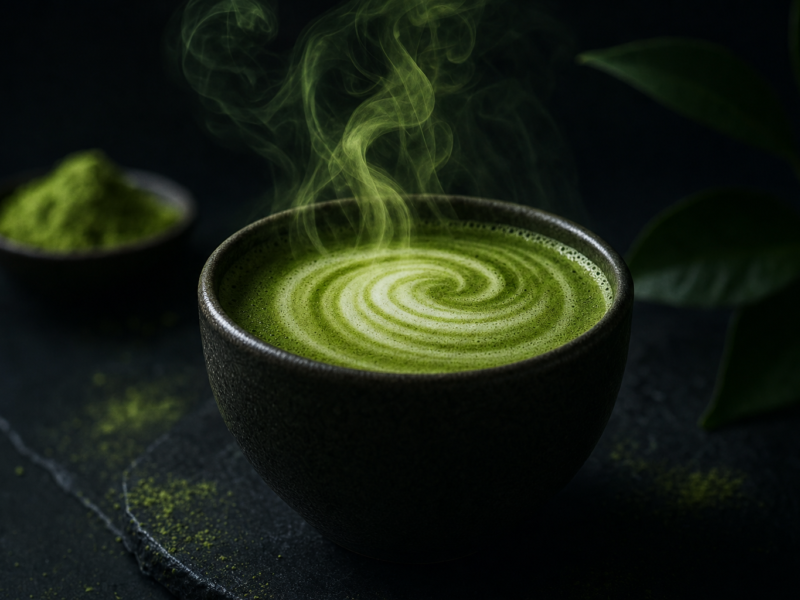
A matcha latte softens everything. The milk (or oat milk) rounds out the bitterness, adds creaminess, and introduces a subtle sweetness that makes the earthy, grassy notes more approachable. Most people who find straight matcha too intense find matcha lattes far more enjoyable.
A well-made matcha latte tastes earthy and slightly sweet, with a creamy, velvety texture and a gentle vegetal undertone. Think of it as a more complex, slightly grassy hot chocolate — rich but not overwhelming.
Does Matcha Taste Like Dirt? (Addressing the Most Common Complaint)
If matcha tastes like dirt to you, something has gone wrong — most likely one of the following:
- You bought low-quality matcha. Cheap matcha made from older, lower-grade leaves has a harsh, almost muddy earthiness that bears little resemblance to the complex flavour of quality matcha.
- Your matcha is old. Matcha oxidises quickly once opened. If the powder has been sitting in your cupboard for six months, it will taste flat and stale.
- You used boiling water. Boiling water scorches the delicate amino acids and amplifies the bitter, astringent compounds. Always use water at around 70–75°C.
- You used too much powder. The standard ratio is about 1–1.5 teaspoons (2–3g) per 60–80ml of water. Too much powder in too little water = overwhelming bitterness.
Health Benefits That Come With That Unique Flavour
Part of what makes matcha taste the way it does — particularly its umami richness — is the high concentration of L-theanine, an amino acid that promotes calm focus. Combined with matcha’s natural caffeine content, this creates what many drinkers describe as a “clean energy” — alert but without the jitteriness of coffee. The same compounds responsible for matcha’s complex taste are also what make it one of the most antioxidant-dense foods on earth.
Tips for Your First Matcha Experience
- Start with a matcha latte rather than straight matcha — it’s more forgiving and approachable
- Buy ceremonial grade for drinking, culinary grade for baking
- Use water at 70–75°C — not boiling
- Add a small amount of honey or maple syrup to balance the bitterness on your first try
- Check the production date — fresh matcha (within 3–6 months of harvest) tastes infinitely better than old stock
- Store it in an airtight container in the fridge away from light and heat after opening
Frequently Asked Questions
Matcha tastes earthy, grassy, slightly bitter, and rich with umami. For beginners, the easiest entry point is a matcha latte made with milk and a touch of sweetener — this softens the bitterness and makes the earthy, creamy flavours more approachable. Straight ceremonial matcha whisked in warm water is more intense but reveals the full complexity of the flavour.
For many people, yes. The combination of earthy, grassy, and bitter notes is unfamiliar to Western palates accustomed to coffee and standard teas. Most people find that starting with a quality ceremonial grade and preparing it correctly (not too hot, right ratio) makes the difference between loving it and dismissing it.
Bitter matcha usually comes from one of four causes: low-quality or old matcha, water that’s too hot (above 80°C), too much powder for the water quantity, or improper storage. Try ceremonial grade matcha with water at 70–75°C and a ratio of 1 teaspoon per 60–80ml water.
They share some grassy, vegetal notes since both come from Camellia sinensis, but matcha is far more concentrated, rich, and umami-forward. Regular green tea is light and delicate; matcha is intense and layered. Most people who enjoy green tea enjoy matcha, but the experience is distinctly different.
Start with a matcha latte using 1 teaspoon of ceremonial grade matcha whisked into a small amount of water at 75°C, then topped with warm steamed milk and a drizzle of honey. This gives you the full matcha experience without the intensity of drinking it straight.
This article is for informational purposes only.
Related reading: Does Matcha Have Caffeine?, Matcha Benefits.

 Daniel Brooks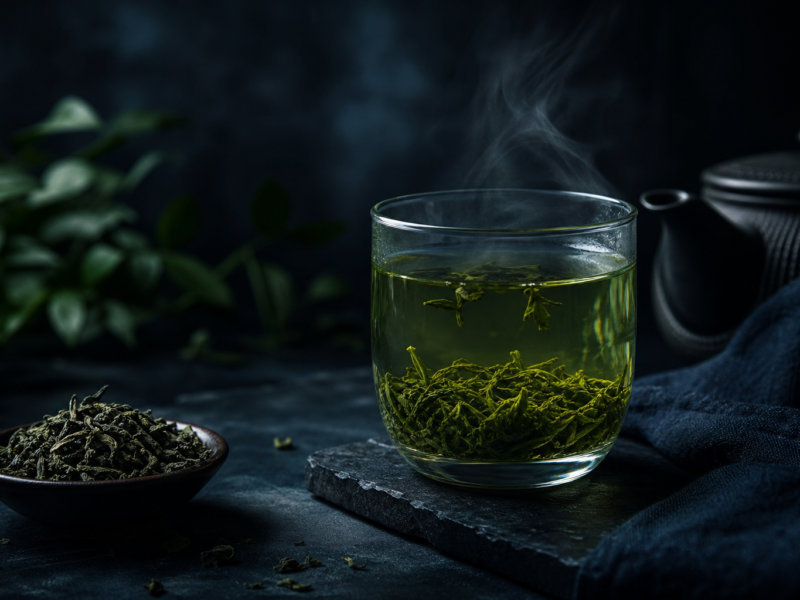
 Elena Voss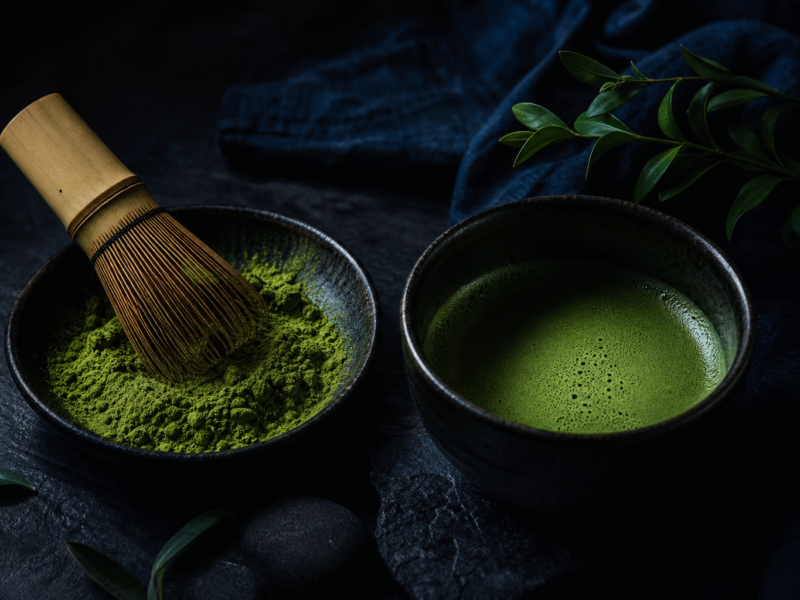
 James Holloway