
 Emma Thornton
This article is for informational purposes only. If you have concerns about your heart health, speak with your GP — early assessment and intervention can make a significant difference.
Why Women’s Heart Health Is Often Overlooked
Heart disease kills more women than any other condition — more than all cancers combined. Yet it’s still widely perceived as a “men’s disease.” This perception has real consequences: women are more likely to delay seeking help for heart symptoms, more likely to have atypical presentations dismissed, and historically underrepresented in cardiovascular research. The result is that women are often diagnosed later and treated less aggressively, despite having the same — or sometimes higher — risk.
Unique Heart Risk Factors for Women
Pregnancy and Heart Health
Pregnancy puts significant demands on the cardiovascular system — blood volume increases by up to 50%, and the heart has to work harder to supply both mother and baby. Complications like pre-eclampsia (pregnancy-induced high blood pressure), gestational diabetes, and preterm delivery are now recognised as independent risk factors for heart disease later in life. Women who’ve experienced these conditions should inform their GP and have cardiovascular risk factors monitored more closely as they age.
Menopause and Heart Risk
Before menopause, oestrogen offers some cardiovascular protection — it helps maintain flexible artery walls and supports healthy cholesterol balance. After menopause, that protection drops. LDL cholesterol tends to rise, HDL may fall, blood pressure often increases, and abdominal fat becomes more common. The decade after menopause is when women’s heart disease risk catches up to — and in some cases exceeds — men’s. This makes the post-menopausal years a particularly important time for proactive heart health management.
Heart Disease Symptoms in Women
Subtle vs Classic Symptoms
Women can and do experience classic chest pain during a heart attack. But they’re more likely than men to also experience atypical symptoms: unusual fatigue (sometimes for days before), nausea, shortness of breath without chest pain, pain in the back, neck, or jaw, dizziness, and a sense that “something isn’t right.” These subtler signs are frequently dismissed as stress, anxiety, or indigestion — by the women themselves and sometimes by clinicians. For a full breakdown, see our guide on heart disease symptoms.
When to Seek Help
If you experience any combination of unusual chest discomfort, sudden breathlessness, unexplained fatigue, or pain in the jaw, back, or arms — especially during or after exertion — don’t wait. Call 000 or get to an emergency department. It’s always better to be assessed and sent home than to delay with a developing cardiac event.
How Women Can Protect Their Heart Health
Diet and Movement for Women’s Heart
The same dietary and exercise principles apply to women as to men: more vegetables, fruits, whole grains, fish, nuts, and healthy fats; less processed food, saturated fat, sugar, and salt. Regular aerobic exercise (150+ minutes per week) and strength training (twice per week) are equally important — and particularly valuable after menopause when metabolic shifts increase cardiovascular risk. See our guides on best foods for heart health and exercise and heart health.
Screening and Early Detection
Women should have blood pressure and cholesterol checked regularly — at least every two years if normal, more often if elevated. After menopause, or if you have a history of pregnancy complications, request a cardiovascular risk assessment from your GP. Don’t assume heart disease “doesn’t happen to women” — ask for the same screening and attention you’d want for any other major health risk.
Frequently Asked Questions
How is heart disease different in women?
Women are more likely to experience atypical symptoms, are often diagnosed later, and face unique risk factors including pregnancy complications and menopause. The underlying disease process is similar, but the presentation and timing can differ significantly.
Does pregnancy affect heart health?
Yes — complications like pre-eclampsia and gestational diabetes are now recognised as independent risk factors for cardiovascular disease later in life. Women with these histories should have ongoing monitoring.
How does menopause affect heart risk?
The decline in oestrogen after menopause leads to rising LDL cholesterol, potentially falling HDL, increased blood pressure, and changes in fat distribution — all of which increase cardiovascular risk.
What can women do to prevent heart disease?
The same evidence-based strategies apply: regular exercise, a heart-healthy diet, maintaining a healthy weight, not smoking, managing stress and sleep, and having blood pressure and cholesterol checked regularly. Awareness of unique female risk factors and symptoms is equally important.
Simple Heart-Health Plan for Women at Every Age
20s–30s: Build exercise and healthy eating habits. Don’t smoke. If you become pregnant, monitor for pre-eclampsia and gestational diabetes.
40s: Start regular blood pressure and cholesterol checks. Stay active. Manage stress proactively (see our stress and heart health guide).
50s+ (around menopause): Request a cardiovascular risk assessment. Prioritise strength training and quality sleep. Discuss any symptoms — even subtle ones — with your doctor rather than dismissing them.
For the full picture, read our complete guide to heart health.
Related Reading:
Heart Health: The Complete Guide
Best Foods for Heart Health
Exercise and Heart Health
Blood Pressure and Heart Health
Cholesterol Explained
Heart Disease Symptoms
Stress and Heart Health
Sleep and Heart Health
Heart Health After 50


 Rachel Summers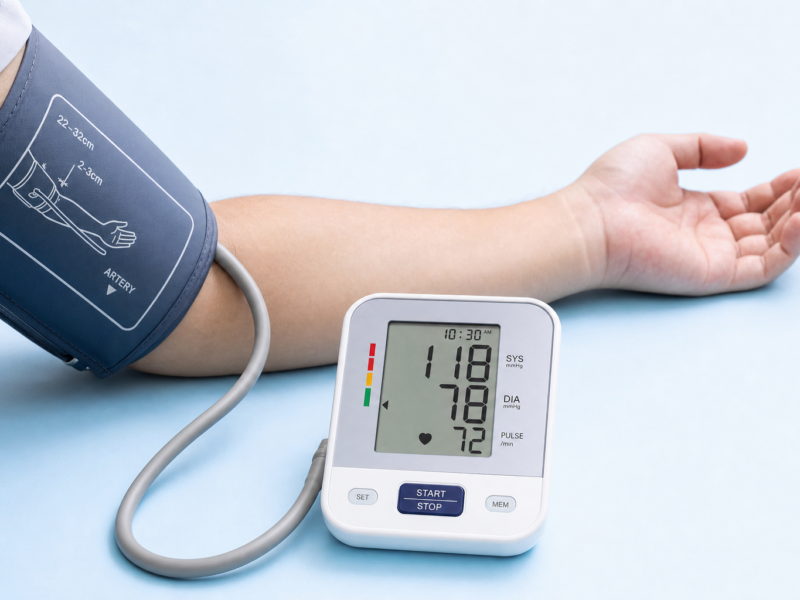
 Emma Thornton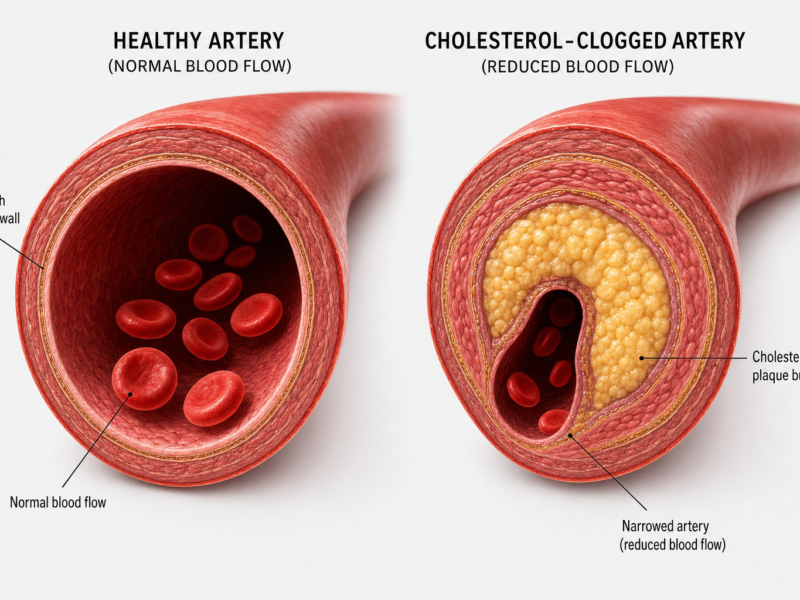
 Sarah Mitchell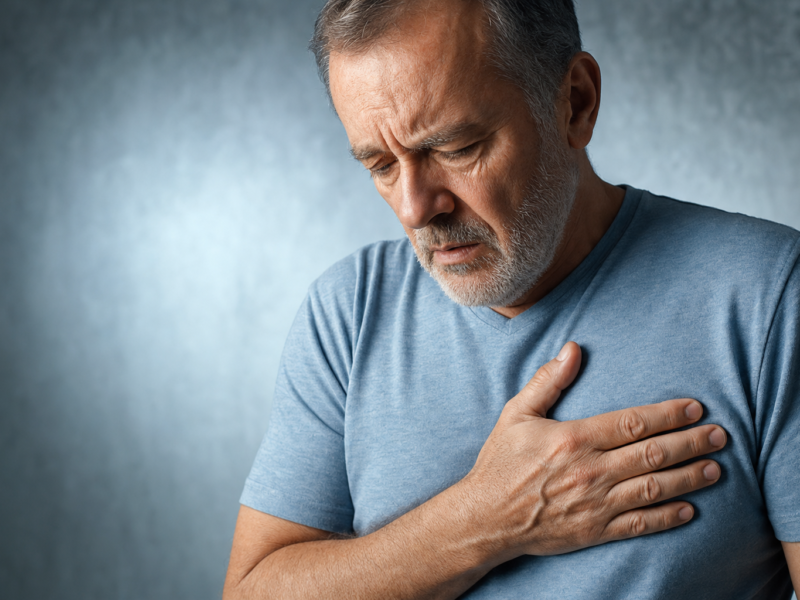

 Daniel Brooks