 James Hargreaves
This article is for informational purposes only. If you have a heart condition or take medication that interacts with certain foods, consult your doctor or dietitian before making major dietary changes.
How Food Affects Heart Health
What you eat affects your heart through three main pathways: blood pressure, cholesterol, and inflammation. A diet high in salt pushes blood pressure up. Too much saturated fat raises LDL cholesterol. Excess sugar and ultra-processed food drive low-grade inflammation that damages artery walls over time. Flip any of those around — more potassium-rich foods, more fibre, more healthy fats — and the same pathways work in your favour.
The good news is that heart-healthy eating doesn’t require a radical overhaul. It’s mostly about shifting the balance: more plants, more whole foods, more fish, fewer packets. The patterns that protect the heart — Mediterranean-style eating, the DASH diet — have been studied for decades, and the evidence is about as strong as nutrition science gets.
Key Nutrients for Heart Health
Fibre and Heart Health
Soluble fibre — found in oats, barley, legumes, and some fruits — helps lower LDL cholesterol by binding to it in the gut and removing it before it enters the bloodstream. Insoluble fibre from whole grains and vegetables supports healthy digestion and helps with weight management. Most Australians eat roughly half the recommended 25–30 grams per day. Closing that gap is one of the simplest dietary changes you can make for your heart.
Omega-3 Fats and Heart Protection
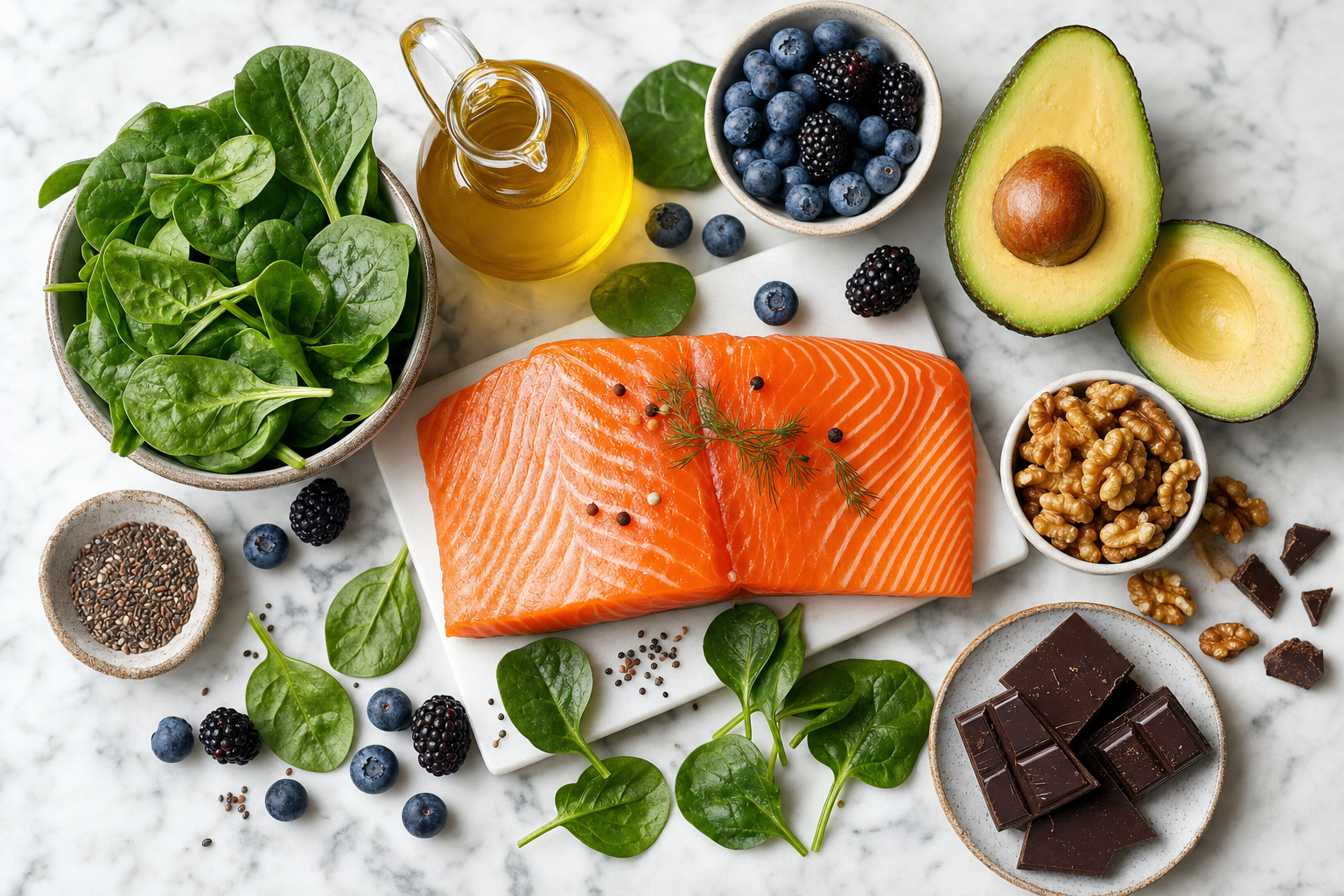
Omega-3 fatty acids — particularly EPA and DHA from oily fish — reduce triglycerides, lower inflammation, and may help prevent irregular heartbeats. Two to three serves of fish per week (salmon, mackerel, sardines, trout) is the most reliable way to get them. Plant-based sources like walnuts, flaxseeds, and chia seeds provide ALA, which the body converts to EPA and DHA in small amounts.
Best Foods for Heart Health
Vegetables and Fruits
Higher vegetable and fruit intake is consistently associated with lower heart disease risk across every population studied. The combination of potassium (which helps control blood pressure), fibre, antioxidants, and low calorie density makes them hard to beat. Leafy greens, tomatoes, berries, citrus, cruciferous vegetables like broccoli and cauliflower — variety matters more than any single “superfood.”
Fish and Seafood
Oily fish is the richest dietary source of omega-3 fats. Salmon, sardines, mackerel, and trout are the standouts. Even non-oily white fish and shellfish are lean protein sources that displace less heart-friendly options like processed meats. Aim for two to three serves per week — baked, grilled, or tinned all count.
Nuts, Seeds, and Healthy Fats
A handful of unsalted nuts most days — almonds, walnuts, pistachios — is associated with lower LDL cholesterol and reduced heart disease risk. Extra virgin olive oil, avocado, and seeds like flax and chia add healthy monounsaturated and polyunsaturated fats that support cardiovascular function. These foods are calorie-dense, so portions matter, but the evidence for their heart benefits is strong.
Whole Grains and Legumes
Whole grains — oats, brown rice, quinoa, wholemeal bread — provide fibre and B vitamins and are consistently linked to lower cardiovascular risk compared to refined grains. Legumes (lentils, chickpeas, beans) are a powerhouse: high in fibre, protein, potassium, and magnesium, low in fat, and incredibly versatile. Swapping a few meat-based meals per week for legume-based ones is one of the highest-value dietary shifts for heart health.
Foods to Limit or Avoid for Heart Health
Saturated and Trans Fats
Saturated fat — found in fatty meats, full-fat dairy, butter, and coconut oil — raises LDL cholesterol when consumed in excess. Trans fats (partially hydrogenated oils, found in some margarines, baked goods, and fried fast food) are worse: they raise LDL and lower HDL simultaneously. Limiting both and replacing them with unsaturated fats from olive oil, nuts, and fish is one of the most evidence-backed dietary changes for heart disease prevention.
Added Sugar and Refined Carbs
Excess added sugar — from soft drinks, sweets, packaged snacks, and sweetened cereals — drives weight gain, raises triglycerides, and contributes to insulin resistance, all of which increase cardiovascular risk. Refined carbohydrates (white bread, white rice, pastries) have a similar metabolic effect. You don’t need to eliminate them entirely, but treating them as occasional rather than daily foods makes a meaningful difference.
High-Salt Foods and Blood Pressure
Most dietary salt comes from processed and packaged foods, not from the salt shaker at the table. Bread, cheese, deli meats, canned soups, sauces, and takeaway meals are common culprits. Excess sodium raises blood pressure, and high blood pressure is the single largest risk factor for heart disease. Cooking more meals from scratch, choosing low-sodium options, and flavouring food with herbs and spices instead of salt are practical first steps. For a deeper dive, see our guide on blood pressure and heart health.
Frequently Asked Questions
What are the best foods for heart health?
Vegetables, fruits, oily fish, nuts, seeds, whole grains, legumes, and olive oil are consistently associated with lower heart disease risk. The overall dietary pattern matters more than any single food.
Which foods should I avoid for heart health?
Limit processed meats, trans fats, foods high in added sugar, refined carbohydrates, and high-salt packaged foods. Reducing saturated fat and replacing it with unsaturated fat sources also supports better cholesterol levels.
Is olive oil good for the heart?
Yes — extra virgin olive oil is rich in monounsaturated fats and polyphenols and is a core component of the Mediterranean diet, which has strong evidence for cardiovascular protection. Use it as your primary cooking and dressing oil.
Do fish and nuts really help heart health?
Yes. Oily fish provides omega-3 fats that reduce triglycerides and inflammation. Nuts provide unsaturated fats, fibre, and plant sterols that help lower LDL cholesterol. Both are well-supported by large-scale research.
How does salt affect my heart?
Excess salt raises blood pressure by causing the body to retain water, which increases the volume of blood the heart has to pump. Over time, this strains the heart and damages artery walls, increasing the risk of heart attack and stroke.
Can diet reverse heart disease?
Diet alone is unlikely to fully reverse established heart disease, but it can significantly slow progression, reduce symptoms, and lower the risk of future events. Combined with exercise, medication (when needed), and other lifestyle changes, dietary improvements are a major part of cardiovascular management.
Simple Heart-Healthy Meal Plan for 7 Days
Day 1: Oats with berries and walnuts → lentil soup with wholemeal bread → grilled salmon with roasted vegetables.
Day 2: Wholegrain toast with avocado and tomato → chickpea salad with olive oil dressing → stir-fry with tofu and brown rice.
Day 3: Greek yoghurt with seeds and fruit → tuna and mixed leaf wrap → chicken breast with sweet potato and broccoli.
Day 4: Smoothie with spinach, banana, and flaxseed → bean and vegetable soup → baked fish with quinoa and salad.
Day 5: Porridge with almonds and cinnamon → sardines on toast with salad → vegetable curry with chickpeas and brown rice.
Day 6: Eggs with mushrooms and tomato → leftover curry with fresh salad → grilled mackerel with roasted root vegetables.
Day 7: Bircher muesli with nuts and berries → minestrone soup with wholemeal roll → lean steak (small portion) with plenty of vegetables and olive oil.
Snacks throughout the week: a handful of unsalted nuts, fresh fruit, vegetable sticks with hummus, or a small piece of dark chocolate.
For the bigger picture on protecting your heart, read our complete guide to heart health.
Related Reading:
Heart Health: The Complete Guide
Exercise and Heart Health
Blood Pressure and Heart Health
Cholesterol Explained
Heart Disease Symptoms
Stress and Heart Health
Sleep and Heart Health
Heart Health for Women
Heart Health After 50

 Sarah Mitchell
 Rachel Summers
 James Hargreaves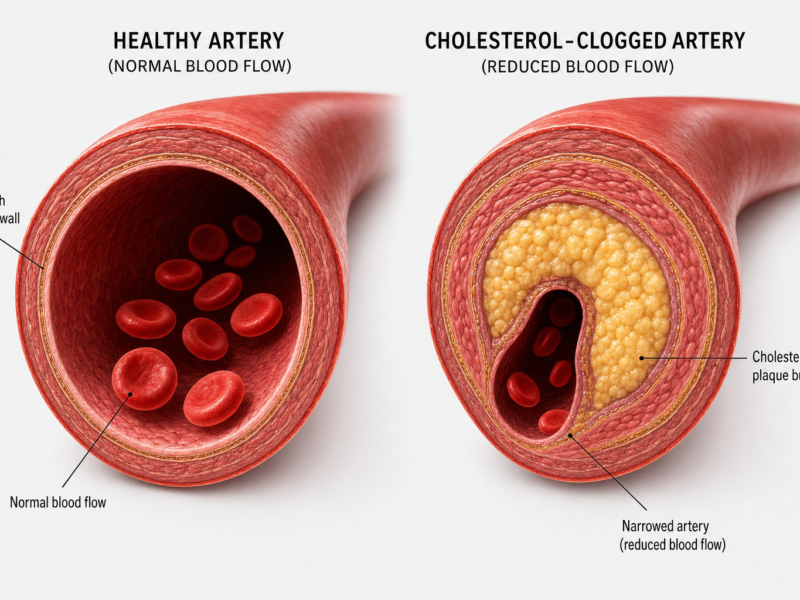

 Daniel Brooks