
 Rachel Summers
This article is for informational purposes only. If you’re over 50 and have concerns about your heart, your GP can assess your cardiovascular risk and recommend appropriate screening and management.
Why Heart Risk Changes After 50
After 50, cardiovascular risk rises sharply — not because of a single event, but because of decades of accumulated wear. Arteries that have been gradually stiffening become noticeably less flexible. Blood pressure tends to drift upward as vessels lose elasticity. Cholesterol profiles may shift. Metabolic changes from menopause (in women) or declining testosterone (in men) alter fat distribution and insulin sensitivity. And the lifestyle patterns of the previous 30 years — good or bad — start delivering their compounding returns.
The good news: it’s never too late. People who start exercising, improve their diet, or quit smoking after 50 still see meaningful reductions in cardiovascular risk. The body responds to positive changes at any age.
Key Heart Risk Factors After 50
Blood Pressure and Artery Changes
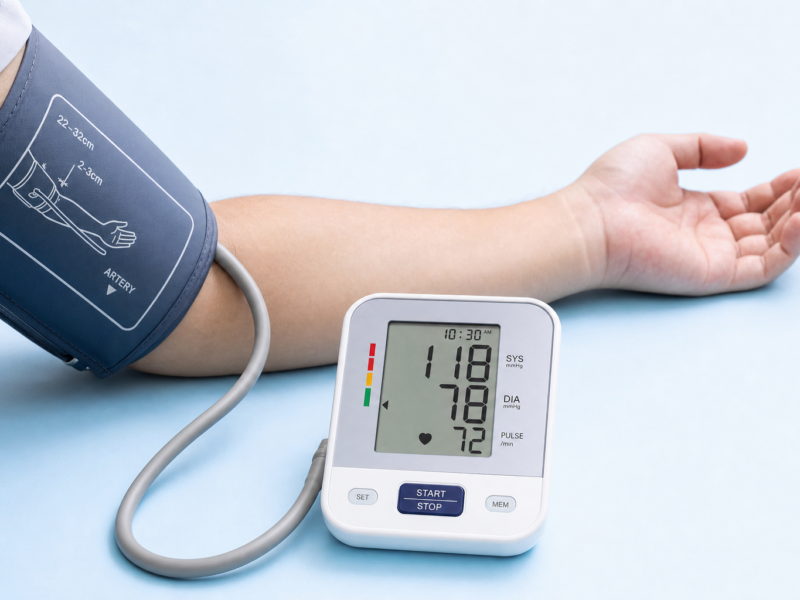
Systolic blood pressure (the top number) rises with age as arteries stiffen — a condition called arteriosclerosis. Even people who had normal blood pressure throughout their younger years may develop hypertension in their fifties or sixties. Regular monitoring becomes essential, and even small elevations are worth addressing because the cumulative damage accelerates with age. See our full guide on blood pressure and heart health.
Cholesterol and Weight Changes
LDL cholesterol tends to rise through middle age, and metabolic changes make it easier to gain weight — particularly visceral fat around the abdomen, which is the most metabolically harmful kind. Muscle mass naturally declines without resistance training, which slows metabolism further. Addressing cholesterol through diet and (if needed) medication, and maintaining muscle through strength training, become increasingly important. See our cholesterol guide.
How to Protect Your Heart After 50
Diet for Heart Health After 50
The same heart-healthy dietary patterns apply after 50, but a few things become more important: getting enough fibre (most people don’t), reducing sodium (blood pressure sensitivity to salt increases with age), maintaining adequate protein to support muscle mass, and ensuring enough calcium and vitamin D for bone health alongside cardiovascular health. Mediterranean-style eating remains the best-studied pattern for cardiovascular protection at any age. See our best foods for heart health guide.
Exercise for Heart Health After 50
Exercise after 50 isn’t about intensity — it’s about consistency and variety. Aerobic activity (walking, swimming, cycling) protects the heart directly. Strength training preserves muscle mass, supports metabolism, and improves bone density. Flexibility and balance work reduce fall risk. The 150 minutes per week guideline still applies, and many people find that morning walks, a couple of strength sessions, and gentle stretching or yoga fit into life more easily than they expected. See our exercise and heart health guide.
Screening and Check-Ups After 50
After 50, cardiovascular screening becomes more important than ever. Regular blood pressure checks (at least annually), a lipid panel every one to two years, blood glucose screening, and a formal cardiovascular risk assessment with your GP should be routine. If you have a family history of heart disease, diabetes, or have smoked, discuss whether additional tests (ECG, stress test, coronary calcium score) are appropriate.
Common Heart Concerns After 50
Recognizing Warning Signs
Any new or changing symptoms — chest discomfort during exertion, unusual breathlessness, persistent fatigue, ankle swelling, dizziness, or palpitations — should be assessed by your doctor. After 50, the threshold for taking symptoms seriously should be lower, not higher. See our guide on heart disease symptoms for a detailed breakdown.
When to Talk to a Doctor
Don’t wait for symptoms to see your GP about heart health. A proactive cardiovascular risk assessment — factoring in your blood pressure, cholesterol, family history, and lifestyle — is the best way to catch risk factors before they become problems. If you haven’t had this conversation yet, your next routine appointment is a good time to start.
Frequently Asked Questions
How does heart health change after 50?
Arteries stiffen, blood pressure tends to rise, cholesterol profiles may shift, and the accumulated effects of lifestyle factors become more clinically significant. Risk increases for both men and women, particularly after menopause for women.
What diet is best for heart health after 50?
Mediterranean-style eating — rich in vegetables, fruits, whole grains, fish, nuts, and olive oil — has the strongest evidence. Adequate fibre, reduced sodium, and enough protein to maintain muscle mass are particularly important after 50.
How much exercise do I need after 50?
At least 150 minutes of moderate aerobic activity per week plus two strength training sessions. Consistency matters more than intensity. Start where you are and build gradually.
Can I improve heart health after 50?
Yes — exercise, dietary changes, quitting smoking, managing blood pressure and cholesterol, reducing stress, and improving sleep all provide meaningful cardiovascular benefit regardless of when you start. The body responds to positive changes at any age.
Simple 7-Day Heart-Health Plan for People Over 50
Day 1: Walk briskly for 25 minutes. Add an extra serve of vegetables to dinner.
Day 2: Do a 15-minute strength session (bodyweight or light weights). Swap a processed snack for nuts or fruit.
Day 3: Cook with olive oil. Reduce salt — use herbs and lemon instead. Practice 5 minutes of slow breathing.
Day 4: Have fish for dinner. Walk for 25 minutes. Aim for 7+ hours of sleep (see our sleep and heart health guide).
Day 5: Add legumes to a meal. Do a 15-minute strength session. Manage stress with a screen-free hour before bed.
Day 6: Walk for 30 minutes. Choose whole grains at every meal. Enjoy something social — connection protects the heart too.
Day 7: Review the week. Pick the 3 easiest wins and keep those going. Book a GP appointment for a cardiovascular risk assessment if you haven’t had one recently.
For the full picture, read our complete guide to heart health.
Related Reading:
Heart Health: The Complete Guide
Best Foods for Heart Health
Exercise and Heart Health
Blood Pressure and Heart Health
Cholesterol Explained
Heart Disease Symptoms
Stress and Heart Health
Sleep and Heart Health
Heart Health for Women


 Daniel Brooks
 James Hargreaves
 Emma Thornton

 Sarah Mitchell