
 Sarah Mitchell
Introduction
Every breath of polluted air may be silently aging your brain—accelerating cognitive decline, dementia, and emotional burnout, especially for those over 45. In 2025, the latest studies warn that even decades before symptoms appear, air quality is reshaping our mental health. This is not future talk—it’s happening now, and here’s how to fight back effectively.
Harvard School of Public Health

How Air Pollution Damages Brain Health
Airborne pollutants—especially PM2.5 and NO₂—cross the blood-brain barrier, triggering neuroinflammation, oxidative stress, and structural damage in the brain. Experts link this to faster cognitive decline and raised dementia risk.
Wired
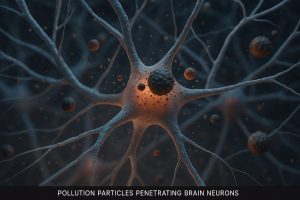
Study Alert: Midlife Exposure Has Lifelong Impact
A worldwide study tracking exposure from ages 45 to 69 found that pollution accelerates brain aging even when adjusting for early life conditions. Urban dwellers get hit hardest.
Environmental Health News
Real Cost to Lifespan & Public Health
From polluted skies to damaged minds:
-
Life expectancy down ~1.8 years globally due to air pollution
-
PM2.5 linked to 3.7 fewer years in some regions
Time
How air pollution impacts our brains
Pollution & Dementia: The Hidden Connection
Cambridge University warns: air pollution significantly increases dementia risk. Reviews confirm: better air = lower dementia risk, especially in older women.
Guardian
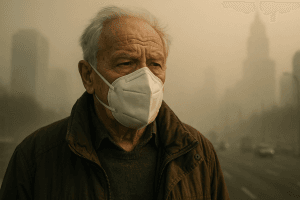
Short-Term Exposure Hurts Focus and Mood
Even one hour of high PM levels can impair attention and emotional recognition—affecting daily tasks and interactions.
The Guardian
What You Can Do — Immediate Prevention Steps
-
Track air quality daily (apps like AirVisual).
-
Use HEPA filters in bedrooms.
-
Wear N95/KN95 masks outdoors on high smog days.
-
Ventilate smartly—open windows early, avoid peak traffic hours.
-
Support clean-air policies—public action matters.
FAQs
Q: Is indoor air just as bad as outdoor?
A: Yes—indoor cooking fumes and cleaning products add hidden pollutants.
Q: Can supplements reverse pollution damage?
A: Omega-3s and antioxidants show promise, but reducing exposure is key.
Q: Are children at risk?
A: Absolutely—pollution harms brain development and future cognition.
Conclusion
Air pollution is aging you faster than your birthday candles suggest. The good news: you’re not powerless. Start simple—filter your air, protect your lungs, and advocate for cleaner skies. Your brain will thank you.
Drop a comment with your city’s air quality index today, and share this with someone living in a high-smog area. Awareness saves brains.
Related reading: Biological Age, Telomeres and Longevity, Anti-Inflammatory Diet.


 Elena Voss
 Rachel Summers
 Emma Thornton


 Dr. Rachel Stone