 Dr. Maya Chen
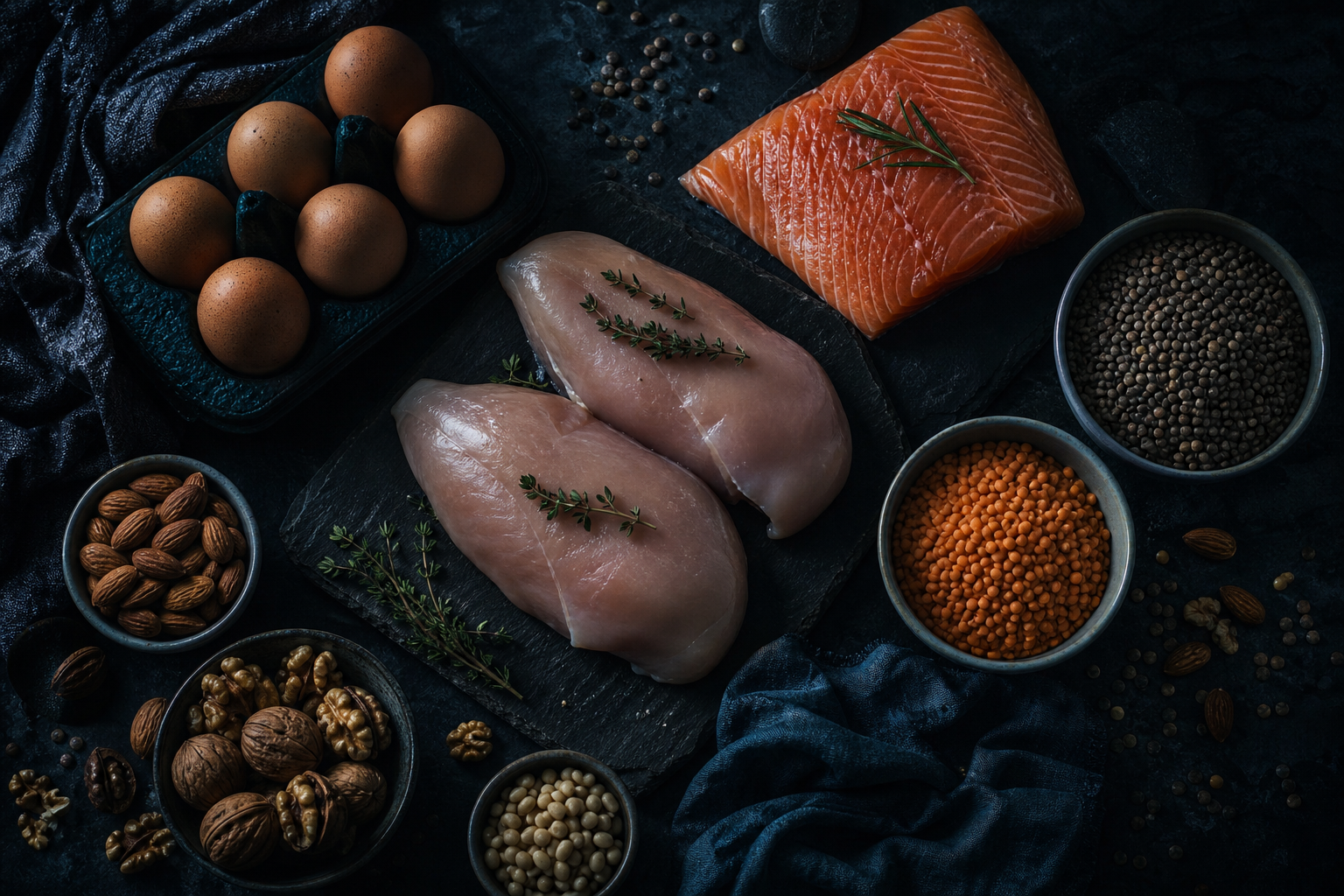
High protein foods are the foundation of any diet aimed at building muscle, losing fat, or simply improving overall health. But not all protein sources are equal — bioavailability, amino acid profile, and digestibility all determine how much of the protein you eat actually gets used. Here’s a comprehensive guide to the best high protein foods across every dietary category.
What Makes a Good Protein Source?
Three factors matter most: protein density (grams of protein per 100g or per calorie), completeness (whether it contains all essential amino acids), and digestibility (PDCAAS or DIAAS score). Animal proteins generally score highest on all three. Plant proteins can match them when combined strategically.
Best High Protein Foods
Animal-Based (Highest Protein Density)
| Food | Protein per 100g | Notes |
|---|---|---|
| Chicken breast (cooked) | 31g | Complete protein, low fat, versatile |
| Turkey breast (cooked) | 30g | Complete protein, lean |
| Tuna (canned in water) | 25–29g | Complete, high omega-3 |
| Salmon (cooked) | 25g | Complete, high omega-3 |
| Beef (lean, cooked) | 26–28g | Complete, high zinc and iron |
| Shrimp (cooked) | 24g | Very low calorie, complete |
| Eggs | 13g | Most bioavailable protein; complete |
| Cottage cheese | 11g | High casein; slow digesting |
| Greek yoghurt (plain) | 10g | Complete; good for gut health |
| Sardines (canned) | 25g | Complete, omega-3, calcium |
Dairy and Eggs
| Food | Protein per serving | Notes |
|---|---|---|
| Whey protein powder | 20–25g per scoop | Fastest absorbing; highest leucine content |
| Casein protein powder | 20–24g per scoop | Slow digesting; ideal before bed |
| Parmesan cheese | 35g per 100g | Highest protein of common cheeses |
| Whole eggs | 6g per egg | Best bioavailability of any whole food |
| Egg whites | 11g per 100g | Pure protein, no fat |
Plant-Based High Protein Foods
| Food | Protein per 100g (cooked) | Notes |
|---|---|---|
| Tempeh | 19g | Fermented soy; complete protein; best plant source |
| Edamame | 11g | Complete protein; high fibre |
| Tofu (firm) | 8–15g | Complete protein; varies by firmness |
| Lentils | 9g | High fibre; incomplete (low methionine) |
| Black beans | 8–9g | High fibre; combine with rice for complete protein |
| Chickpeas | 8–9g | Versatile; incomplete protein |
| Pumpkin seeds | 19g per 100g | Complete protein; high zinc and magnesium |
| Hemp seeds | 31g per 100g | Complete protein; high omega-3 |
| Pea protein powder | 20–24g per scoop | Nearly complete; good alternative to whey |
| Quinoa (cooked) | 4g | Complete protein grain; lower density |
Highest Protein Foods by Category
- Highest protein meat: Chicken breast (31g/100g cooked)
- Highest protein fish: Tuna (25–29g/100g)
- Highest protein dairy: Parmesan cheese (35g/100g) / Greek yoghurt for whole food practicality
- Highest protein plant food: Hemp seeds (31g/100g) / Tempeh for cooked whole food
- Highest protein supplement: Whey protein isolate (90g/100g)
- Best protein per calorie: Shrimp, egg whites, chicken breast, cottage cheese
How to Hit Your Protein Targets
For most active adults targeting 150g protein daily, a typical day might look like: 3 eggs + Greek yoghurt at breakfast (25g), chicken breast at lunch (40g), protein shake post-workout (25g), salmon at dinner (35g), cottage cheese before bed (15g). That’s 140g without much effort — filling the remainder with snacks like edamame or nuts.
Frequently Asked Questions
The highest protein foods per 100g are: whey protein powder (~80g), parmesan cheese (35g), hemp seeds (31g), chicken breast (31g), turkey breast (30g), tuna (25–29g), beef (26–28g), salmon (25g), tempeh (19g), and pumpkin seeds (19g). For practical everyday eating, chicken breast, eggs, Greek yoghurt, tuna, and cottage cheese are the most convenient high-protein whole foods.
The best plant-based protein sources are: tempeh (19g/100g, complete protein), hemp seeds (31g/100g, complete), edamame (11g/100g, complete), tofu (8–15g/100g), lentils (9g/100g), black beans (8–9g), chickpeas (8–9g), and pea protein powder (20–24g per scoop). Plant proteins are generally less bioavailable than animal proteins — eating 20–30% more total protein compensates for this difference.
For muscle building, whey protein is the gold standard supplement due to its rapid absorption and highest leucine content (the key amino acid triggering muscle protein synthesis). For whole foods, chicken breast, eggs, and salmon are optimal — they combine complete amino acid profiles with high protein density. Leucine content is the most important variable: aim for at least 2–3g leucine per meal to maximally trigger muscle protein synthesis.
This article is for informational purposes only. Individual dietary needs vary based on body weight, activity level, and health status.
Related reading: How Much Protein Per Day?, Best Time to Eat Protein, Does Protein Make You Fat?.
Further reading: Glucomannan for Weight Management | Psyllium Husk Guide | Intermittent Fasting and Longevity

 Rachel Summers
 Daniel Brooks
 Sarah Mitchell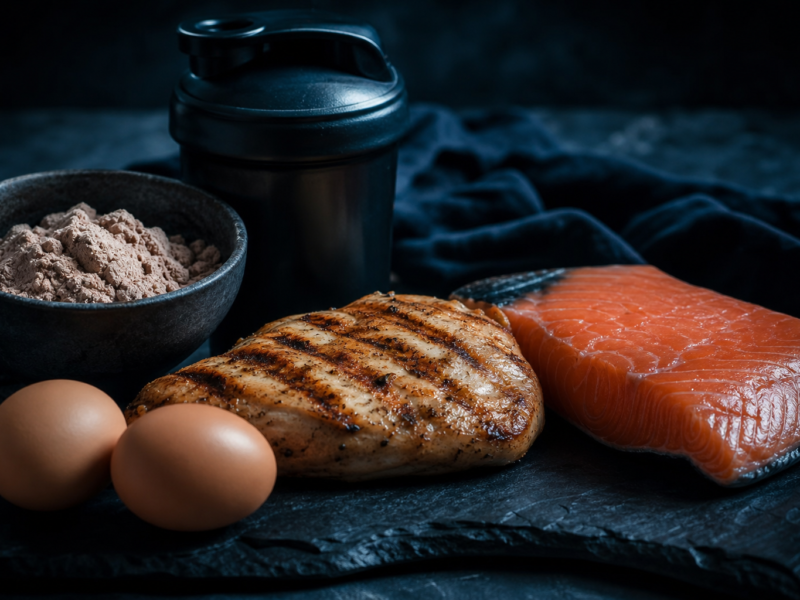
 Dr. Rachel Stone
 James Holloway