 Ashley
How Stress Affects the Gut
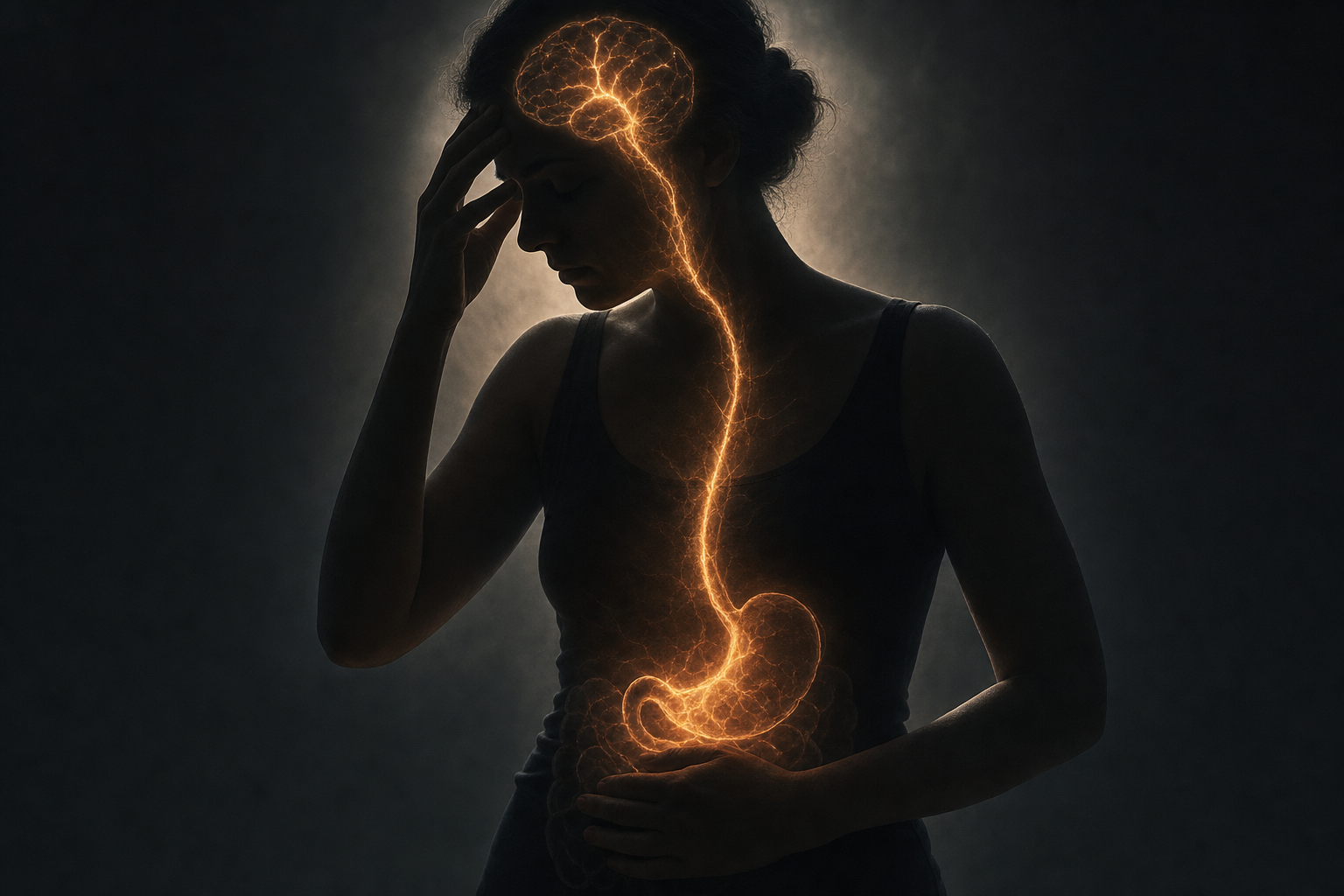
The gut and the brain are in constant bidirectional communication through the gut-brain axis — a network of neural, hormonal, and immunological pathways connecting the enteric nervous system (the gut’s own complex nervous system, sometimes called the “second brain”) with the central nervous system. This means that emotional and psychological states directly and rapidly alter gut function, and that gut states in turn influence brain function, mood, and behaviour. The practical consequence is that stress, anxiety, and depression produce real, measurable changes in digestion — not imaginary ones — and that managing psychological stress is a genuine and powerful tool for digestive health. For the broader gut health context, see our complete gut health guide.
How Stress Disrupts Digestion
The Fight-or-Flight Response
When the brain perceives stress, the sympathetic nervous system activates the “fight-or-flight” response — releasing adrenaline and cortisol, increasing heart rate and blood flow to muscles, and diverting resources away from non-emergency functions including digestion. Blood flow to the digestive tract is reduced, digestive enzyme secretion decreases, gut motility changes (accelerating in some people causing diarrhoea; slowing in others causing constipation), and the gut’s immune defences are temporarily suppressed. In acute stress, this is adaptive. In chronic stress, these changes become persistent and cause lasting digestive disruption.
Gut Motility Changes
Stress alters the speed and pattern of muscular contractions that move food through the digestive tract. In many people, acute stress accelerates colonic transit time — the classic “nervous stomach” diarrhoea before a stressful event. In others, stress slows gut motility, causing constipation and bloating. Chronic stress often produces irregular, unpredictable motility — contributing to the alternating diarrhoea and constipation pattern characteristic of IBS. See our guide to IBS symptoms and treatments for how stress management fits into IBS treatment.
Gut Permeability
Psychological stress increases intestinal permeability — the “leaky gut” phenomenon — by disrupting the tight junctions between intestinal epithelial cells. This allows bacterial products (including lipopolysaccharide) to enter the bloodstream, triggering systemic inflammation. In people with IBS and functional gut disorders, psychological stress is one of the primary drivers of symptom flares through this mechanism.
Gut Microbiome Disruption
Chronic psychological stress alters gut microbiome composition — reducing bacterial diversity, decreasing beneficial species including Lactobacillus and Bifidobacterium, and increasing populations of potentially pathogenic bacteria. The microbiome changes induced by stress in turn affect gut-brain signalling, potentially worsening stress reactivity and mood — creating a negative feedback loop between stress, gut dysbiosis, and mental health.
Signs Stress Is Affecting Your Digestion
Digestive symptoms that consistently worsen during stressful periods, flare before or during anxiety-provoking events, or that have no identifiable dietary trigger are strong indicators of stress-driven digestive dysfunction. Common presentations include: increased bloating and gas, nausea before or during stressful situations, urgency to defecate or loose stools when anxious, abdominal cramps during stress, loss of appetite or stress eating, and digestive symptoms accompanied by palpitations, sweating, or difficulty breathing.
Managing Stress for Digestive Health
Mind-Body Techniques
Mindfulness-based stress reduction (MBSR), progressive muscle relaxation, diaphragmatic breathing (activating the parasympathetic nervous system directly through the vagus nerve), yoga, and tai chi all have evidence for reducing gut-brain axis dysregulation and improving digestive symptoms in people with functional gut disorders. Gut-directed hypnotherapy — specifically targeting gut-brain communication — has the strongest evidence for IBS and functional bloating, with response rates of 70–80% in clinical trials.
Cognitive Behavioural Therapy
CBT adapted for gut disorders targets the cognitive patterns, behavioural avoidance, and anxiety amplification that maintain gut symptoms. Multiple RCTs demonstrate significant improvements in IBS, functional dyspepsia, and other functional gut disorders with CBT. It is increasingly available in digital formats for those who cannot access face-to-face therapy.
Exercise and Sleep
Regular aerobic exercise reduces baseline cortisol, improves gut motility, increases gut microbiome diversity, and is one of the most consistently effective interventions for stress-related digestive symptoms. Adequate sleep — which restores the HPA axis and allows gut microbiome recovery — is equally important. Addressing stress-related sleep disruption often produces parallel improvements in digestive symptoms. See our guides to stress and health for the full picture.
FAQ
Can stress cause digestive problems?
Yes — stress directly alters gut motility, permeability, enzyme secretion, blood flow, and microbiome composition through the gut-brain axis, producing real and measurable digestive symptoms.
Why does anxiety cause stomach problems?
Anxiety activates the fight-or-flight response, which redirects resources away from digestion, alters gut motility, and increases gut sensitivity — explaining why anxiety commonly causes nausea, urgency, and abdominal discomfort.
How do I calm my gut when stressed?
Diaphragmatic breathing (activating the vagus nerve and parasympathetic system), progressive muscle relaxation, gut-directed hypnotherapy, and regular mindfulness practice all have evidence for reducing stress-driven gut symptoms.
Does the gut-brain connection work both ways?
Yes — stress affects gut function (top-down) and gut states affect brain function and mood (bottom-up). The gut produces approximately 90% of the body’s serotonin, meaning gut health directly influences mood and stress resilience.
Can treating anxiety improve gut symptoms?
Consistently yes — both psychological therapy (CBT, hypnotherapy) and when appropriate, anxiolytic medications significantly improve functional gut symptoms in people with concurrent anxiety.

 Emma Thornton
 James Hargreaves
 Sarah Mitchell
 Rachel Summers
 Daniel Brooks