 Sarah Mitchell
Bloating is one of those things almost everyone experiences but nobody talks about much. You eat something, and within an hour your stomach feels three sizes bigger, tight and uncomfortable, sometimes painful. You know food caused it — but which food? And why does it happen to some people and not others?
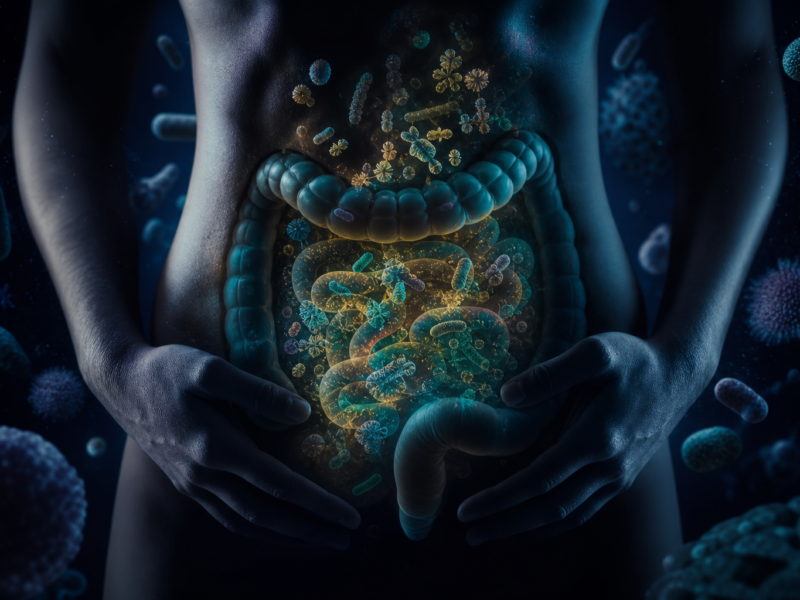
The short answer is that most bloating comes down to fermentation. Certain carbohydrates aren’t fully absorbed in the small intestine, so they arrive in the colon intact, where bacteria ferment them and produce gas. This is actually a sign of a healthy gut — your bacteria are doing their job — but in sensitive people, or in larger amounts, the gas production outpaces what the gut can comfortably handle.
Some people can eat a bowl of lentils with no issues. Others spend the afternoon in discomfort. The difference usually comes down to gut bacteria composition, intestinal sensitivity, and how much of the trigger food was eaten. Understanding your personal threshold is more useful than a blanket list of things to avoid forever.
The Worst Foods for Bloating
Beans and Lentils
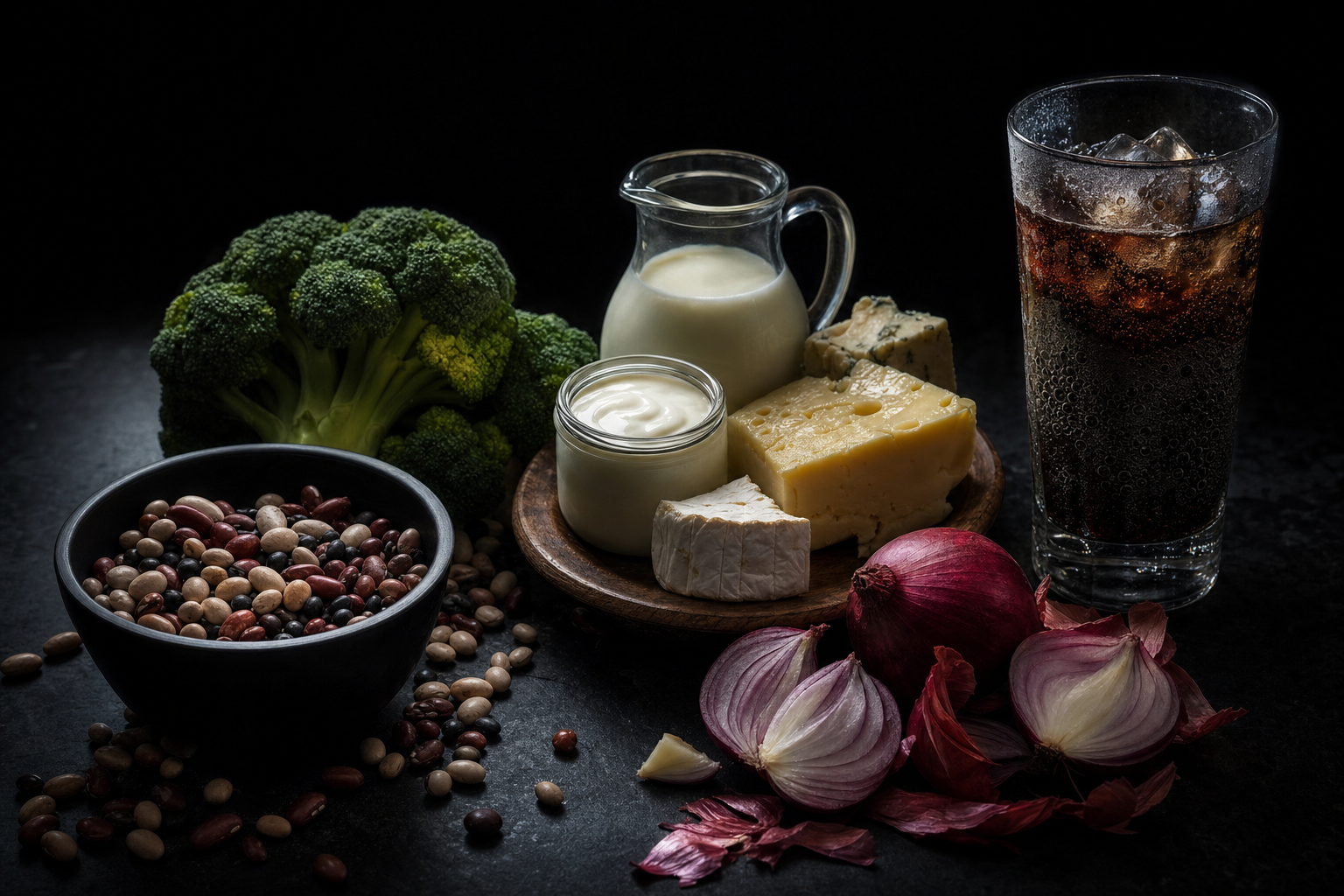
These are the most reliable bloating trigger for most people, and for good reason. Legumes contain oligosaccharides — complex carbohydrates that humans simply don’t have the enzymes to break down. They arrive in the colon intact, bacteria ferment them, and gas is the result. This is predictable, universal, and doesn’t mean anything is wrong with your digestion.
There are ways to reduce it. Soaking dried beans overnight and discarding the soaking water removes some of the oligosaccharides. Canned beans — which have already been soaked and processed — are often better tolerated. Starting with a few tablespoons rather than a full serving, then gradually increasing over weeks, gives your gut bacteria time to adapt.
Carbonated Drinks
This one is obvious once you think about it — you’re literally swallowing gas. Most of it gets expelled, but some gets trapped in the gut and causes distension. Sparkling water is just as much of a culprit as fizzy soft drinks. If you’re already bloated, even a few sips of sparkling water will make it worse.
Onions and Garlic
These are two of the highest-fructan foods you can eat, and they cause bloating even in small amounts for people with sensitive guts. The tricky part is that they’re in almost everything — stock, sauces, soups, stir-fries, marinades. Fructans are water-soluble, which means they leach into oil-free cooking. Cooking onion or garlic in oil transfers much less fructan to the dish. Garlic-infused oil gives you the flavour without the fermentable carbohydrates.
If you react badly to both, spring onion greens, chives, and the green tops of leeks are genuinely low-fructan swaps that taste similar.
Wheat, Rye and Barley
These grains contain fructans — the same fermentable carbohydrate as onions. This is why some people feel noticeably better avoiding wheat even when they don’t have coeliac disease or a confirmed gluten sensitivity. They’re not reacting to gluten. They’re reacting to fructans.
Long-fermented sourdough is worth trying if you react to regular bread — the fermentation process breaks down a significant portion of the fructans. Spelt flour is also generally lower in fructans than modern wheat varieties.
Dairy
Lactose intolerance is far more common than most people realise — around 65% of adults globally have some degree of lactose malabsorption. Milk, soft cheeses, ice cream, and cream are the highest-lactose foods. Hard aged cheeses (cheddar, parmesan, gruyère) and butter are very low in lactose and usually fine even for people who react to milk.
Yogurt with live cultures is often better tolerated than milk because the bacteria partially pre-digest the lactose. Lactase enzyme supplements taken just before dairy consumption work well for most people.
Cruciferous Vegetables
Broccoli, cauliflower, cabbage, Brussels sprouts, and kale all contain oligosaccharides and sulphur compounds that ferment readily. Cooking helps — these vegetables are better tolerated cooked than raw. Portion size matters too. A few florets of broccoli is a very different thing from half a head.
Apples, Pears, and Stone Fruits
High in fructose and sorbitol, both of which are poorly absorbed in many people and ferment in the colon. Apples, pears, watermelon, peaches, plums, and cherries are the main ones. Berries, citrus, grapes, and bananas are generally better tolerated and worth substituting if stone fruits are a consistent trigger.
Sugar Alcohols
Sorbitol, mannitol, xylitol, and erythritol appear in sugar-free gum, mints, protein bars, and low-carb products. They ferment rapidly in the gut. People who eat a lot of “healthy” packaged products are often consuming far more of these than they realise — check ingredient labels if sugar-free products are a regular part of your diet.
Foods That Actually Help
Ginger speeds gastric emptying and has decent evidence for reducing bloating — ginger tea before or after meals is a practical approach. Peppermint oil capsules (enteric-coated) have reasonable trial data for IBS-related bloating. Fennel seeds chewed after eating is an old remedy that works for many people. Bananas, cooked oats, cucumber, and yogurt with live cultures are all genuinely well-tolerated and support gut comfort rather than aggravating it.
The FODMAP Connection
If you react to several things on this list — onions, garlic, wheat, beans, apples, dairy — it’s worth knowing about FODMAPs (fermentable oligosaccharides, disaccharides, monosaccharides and polyols). This is a group of fermentable carbohydrates that collectively trigger symptoms in a large proportion of people with IBS and sensitive guts.
A low-FODMAP diet, done properly with a dietitian, involves eliminating all high-FODMAP foods for 2–6 weeks and then systematically reintroducing them to identify which specific categories you react to. The goal isn’t permanent restriction — it’s finding your personal threshold so you can make informed choices rather than avoiding everything forever.
When It’s Not About Food
Food gets blamed for most bloating, but it’s not always the culprit. Constipation causes significant bloating — gas has nowhere to go if stool isn’t moving. Eating too fast means swallowing more air. Hormonal changes around menstruation cause bloating that has nothing to do with what you ate. Conditions like SIBO, coeliac disease, and IBS can cause persistent bloating that doesn’t respond much to food changes alone.
If bloating is severe, constant regardless of what you eat, or comes with pain, unintended weight loss, or blood in your stool, see a GP rather than continuing to experiment with diet.
Frequently Asked Questions
What foods cause the most bloating?
Beans and lentils, onions, garlic, carbonated drinks, wheat, cruciferous vegetables like broccoli and cauliflower, high-fructose fruits like apples and pears, and sugar alcohols. Dairy causes significant bloating in people with lactose intolerance but is fine for others.
Why do I bloat after every meal?
Bloating after every meal usually points to eating too quickly (swallowing air), consistently large portions, a diet high in fermentable carbohydrates across multiple food groups, constipation, or an underlying condition like IBS or SIBO. A food and symptom diary for two weeks is the most practical starting point.
Does bread cause bloating?
It can, particularly in people sensitive to fructans. Modern wheat bread is high in fructans. Long-fermented sourdough is usually much better tolerated. Gluten-free bread isn’t automatically low-FODMAP — check ingredients, as some common substitutes make it worse.
Do eggs cause bloating?
Very rarely — eggs are low in fermentable carbohydrates. If you bloat after eggs, it’s almost certainly something you ate them with rather than the eggs themselves.
What can I drink to reduce bloating?
Ginger tea, peppermint tea, and plain still water. Avoid carbonated drinks if you’re already bloated — even sparkling water will make it worse. Warm liquids are generally better tolerated than cold when the gut is irritated.
The Bottom Line
Most bloating has predictable causes. Identifying your personal triggers — rather than avoiding everything on the list indefinitely — is the goal. A food diary, gradual reintroduction, and if needed, a short low-FODMAP trial with dietitian support will get you there more reliably than blanket elimination. And if bloating persists no matter what you eat or don’t eat, a conversation with your GP is worth having to rule out something that diet alone won’t fix.
Related: Probiotics vs Prebiotics | SIBO Guide | Gut Health and Aging

 Sarah Mitchell
 Emma Thornton
 James Hargreaves
 Rachel Summers
 Ashley