 James Hargreaves
Introduction to Circadian Rhythm
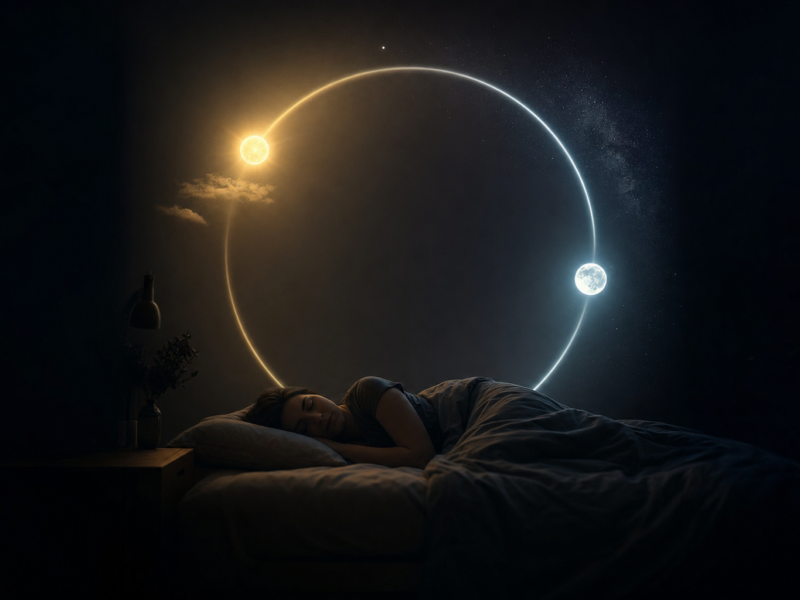
Your circadian rhythm is an internal biological clock that runs on approximately a 24-hour cycle, regulating virtually every physiological process in the body — including when you feel sleepy, when you’re most alert, when your core temperature rises and falls, when hormones are released, and when your digestive system is most active. The word “circadian” comes from the Latin circa diem — “about a day.” Understanding your circadian rhythm is foundational to understanding sleep — because sleep is not simply what happens when you close your eyes, but a tightly orchestrated biological programme governed by this internal clock. For a complete overview of sleep science, see our complete sleep and recovery guide.
How the Body Clock Works
Light Exposure
Light is the most powerful environmental signal (zeitgeber, or “time-giver”) that synchronises the circadian clock to the external world. Specialised photoreceptors in the retina — intrinsically photosensitive retinal ganglion cells (ipRGCs) — detect light intensity and transmit this information directly to the suprachiasmatic nucleus (SCN) in the hypothalamus — the master circadian pacemaker. Morning light exposure signals “daytime” to the clock, advancing and anchoring the circadian phase. Evening light exposure signals “extended day,” delaying the clock and pushing sleep onset later. This makes light exposure the most powerful non-pharmacological lever for shifting and anchoring the sleep-wake cycle. See our guide to improving sleep quality for a practical light management protocol.
Melatonin
Melatonin is the primary output hormone of the circadian clock — its release signals to the body that biological night has begun. The pineal gland begins releasing melatonin approximately 2 hours before your habitual sleep time (a point called Dim Light Melatonin Onset, or DLMO), rising through the night and falling as morning approaches. Melatonin doesn’t cause sleep directly — it’s a darkness signal that prepares the body for sleep. Bright light at night (including screens) suppresses melatonin, effectively telling the body it’s still daytime and delaying the entire biological night programme.
Sleep-Wake Timing
The circadian clock interacts with the homeostatic sleep drive (adenosine build-up during waking hours) to determine when you feel sleepy and when you feel alert. This two-process model explains why alertness is not simply determined by how long you’ve been awake — the circadian clock creates predictable peaks and troughs in alertness throughout the day (typically a morning peak, a mid-afternoon dip, an early evening peak, and a progressive decline from late evening). Understanding this pattern helps you schedule demanding cognitive work during peak alertness windows and physical activity to support circadian timing.
Signs of Circadian Misalignment
Trouble Falling Asleep
If you consistently cannot fall asleep until 1–3am (even when you want to sleep earlier) and struggle to wake before 9–10am, you may have Delayed Sleep Phase Syndrome (DSPS) — a circadian rhythm disorder where the biological clock is phase-delayed relative to conventional social timing. This is common in teenagers and young adults. Treatment involves morning bright light therapy, evening light avoidance, and low-dose melatonin taken 5–6 hours before the desired sleep time to gradually advance the phase.
Morning Grogginess
Difficulty waking and feeling alert in the morning — beyond the normal 10–15 minute transition period — often indicates that waking time doesn’t align well with your circadian phase. If you’re waking during your biological night (before your circadian clock has completed its night programme), grogginess will be pronounced. Shifting wake time earlier gradually, combined with morning light exposure, can realign the clock over 1–2 weeks.
Jet Lag and Shift Work
Jet lag occurs when the circadian clock is misaligned with the local environment’s light-dark cycle — the clock continues running on the home timezone while the external world operates on a different schedule. Shift work creates chronic circadian disruption by requiring wakefulness during the biological night and sleep during the biological day. Both conditions impair sleep quality, cognitive performance, mood, immune function, and metabolic health — with shift work particularly associated with increased long-term risks of cardiovascular disease, type 2 diabetes, and certain cancers.
How to Reset Your Circadian Rhythm
Morning Light
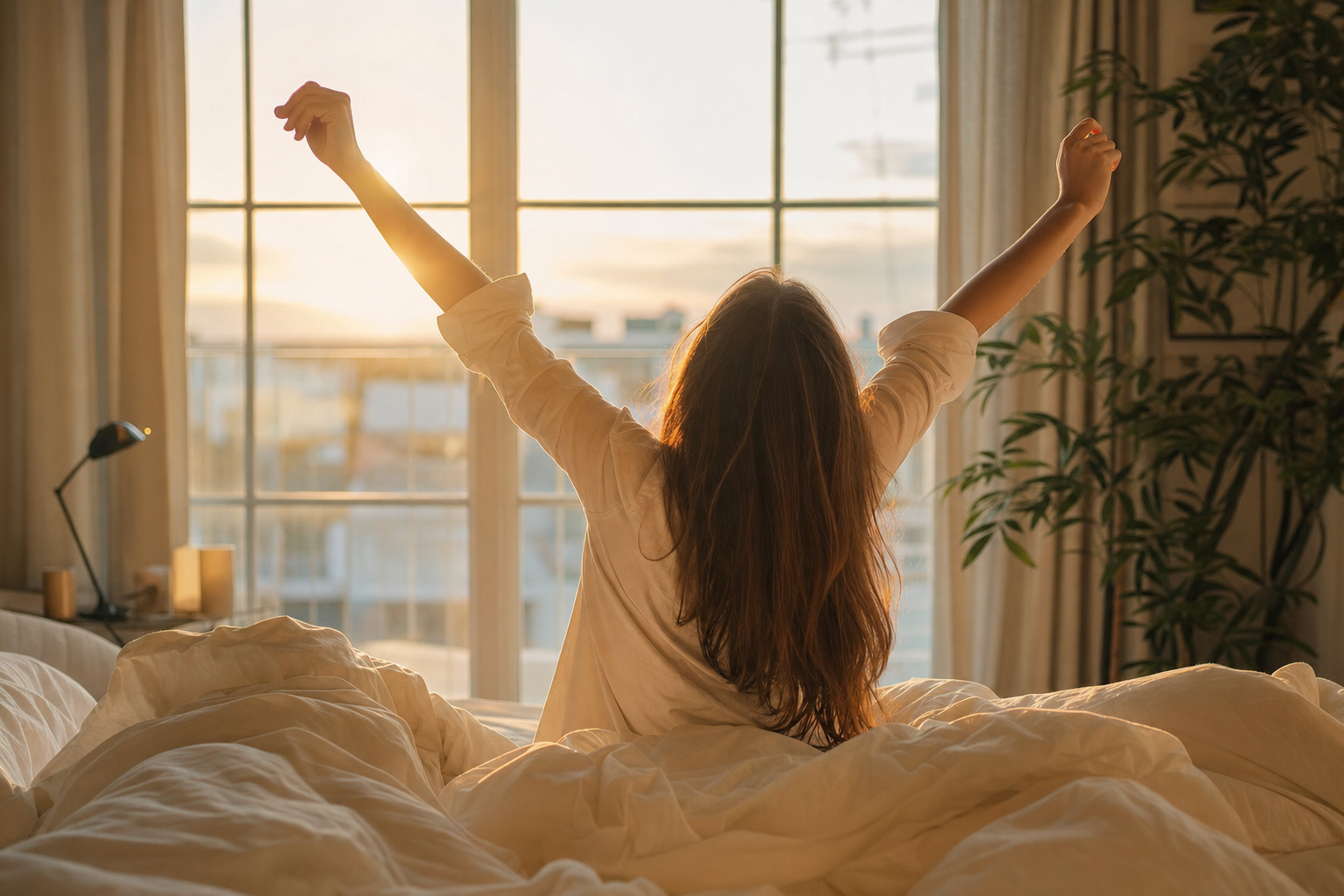
Getting 10–30 minutes of bright outdoor light (or light therapy lamp at 10,000 lux) within 30–60 minutes of waking is the single most effective way to anchor and advance the circadian clock. This morning light signal tells the SCN that day has begun, triggering a precisely timed countdown to sleepiness approximately 14–16 hours later. Consistency is key — the effect builds over days of regular morning light exposure. This is the most important circadian habit for people trying to become earlier risers or recover from jet lag westward.
Consistent Schedule
The circadian clock synchronises to consistent timing cues — wake time, meal times, exercise times, and light exposure. Maintaining the same wake time every day (including weekends) provides the strongest circadian anchor and prevents the “social jetlag” that results from widely varying schedules. See our sleep hygiene guide for how scheduling fits into a complete sleep improvement framework.
Evening Light Reduction
Reducing bright light and particularly blue-wavelength light in the 2 hours before bed allows melatonin to rise naturally, signalling biological night to the clock. Practical steps: dim household lights from 2 hours before bed, switch to warm-toned lamps (below 3000K colour temperature), use blue light filters on screens, and ideally stop screen use in the final 60 minutes before sleep. See our guide to foods and supplements that support sleep for melatonin supplementation in circadian shifting contexts.
FAQ
What is circadian rhythm?
An internal biological clock running on approximately a 24-hour cycle that regulates sleep timing, alertness, hormone release, body temperature, metabolism, and virtually every physiological process in the body.
How do you reset your sleep cycle?
The most effective methods are: consistent wake time (even after a bad night), morning bright light exposure within 30 minutes of waking, evening light reduction, and avoiding naps after 3pm. For larger phase shifts (jet lag, shift work), low-dose melatonin can accelerate realignment.
Can circadian rhythm affect insomnia?
Yes — circadian rhythm disorders (particularly delayed sleep phase) are a significant cause of insomnia. If you can only fall asleep very late and struggle to wake in the morning, a circadian component to your insomnia may warrant specific treatment beyond standard sleep hygiene.
What disrupts circadian rhythm most?
Artificial light at night (particularly blue-wavelength light from screens), irregular sleep schedules, shift work, jet lag, late meal timing, and lack of morning light exposure are the most significant disruptors.
Are some people naturally night owls?
Yes — chronotype (the natural preference for morning or evening) is largely genetically determined. True night owls have a biologically delayed circadian phase. However, most people who identify as night owls are actually phase-delayed by exposure to artificial light at night rather than by genetics alone.
Does eating time affect circadian rhythm?
Yes — meal timing is a secondary zeitgeber (time-giver) that influences peripheral clocks in digestive organs. Eating at consistent times, particularly having the first meal in the morning, helps synchronise peripheral clocks with the master SCN clock and supports metabolic health.


 Sarah Mitchell
 Ashley
 Emma Thornton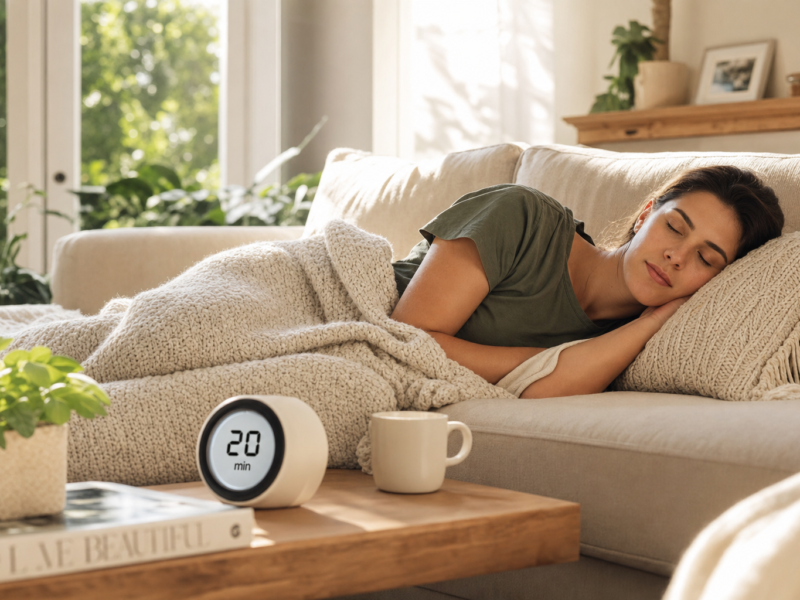
 Rachel Summers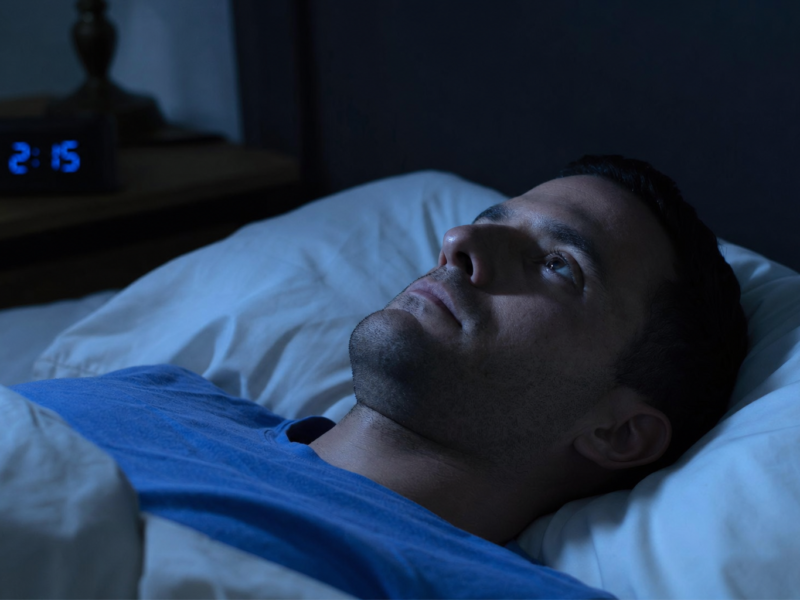
 James Hargreaves