 Daniel Brooks
Introduction to Sleep Quality
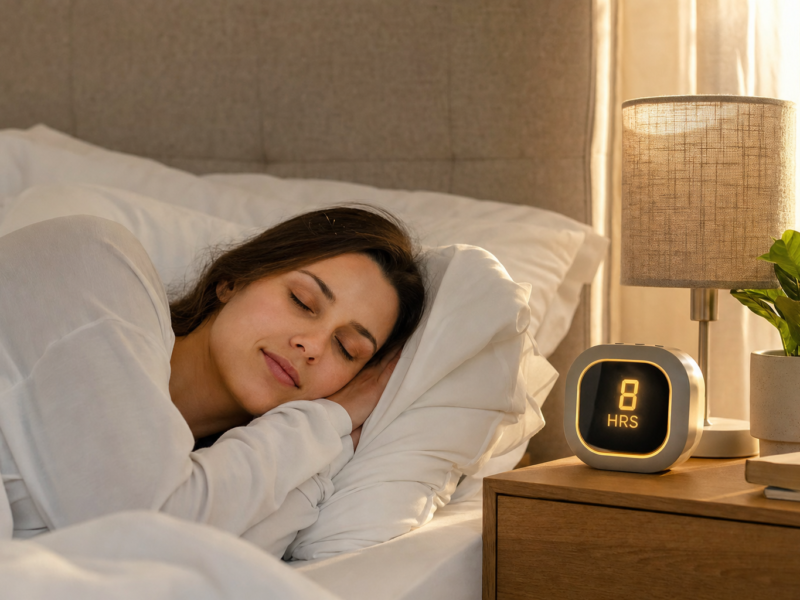
Sleep quality is distinct from sleep quantity. You can spend 8 hours in bed and still wake exhausted if the sleep was fragmented, too light, or dominated by stress-driven wakefulness. True sleep quality means falling asleep within 20 minutes, staying asleep through the night with minimal waking, cycling through all stages appropriately, and waking feeling restored and alert. For most people, improving sleep quality is more impactful than simply trying to sleep longer. For a foundational understanding of why sleep quality matters for recovery, see our complete sleep and recovery guide.
What Good Sleep Quality Looks Like
Falling Asleep Easily
Healthy sleep onset — falling asleep — should take 10–20 minutes. Consistently falling asleep in under 5 minutes is a sign of sleep deprivation (your sleep pressure is so high that sleep arrives instantly). Taking more than 30 minutes regularly indicates a problem with either sleep hygiene, anxiety, or circadian misalignment. See our guide to circadian rhythm and sleep for how timing affects sleep onset.
Staying Asleep
Brief awakenings during the night are normal — adults wake 10–30 times per night, usually for less than a second. What matters is whether you return to sleep quickly. Waking and lying awake for extended periods — particularly in the early morning hours — suggests either sleep apnoea, anxiety, or disrupted circadian rhythm. See our guide to insomnia causes and solutions if this is a persistent issue.
Waking Refreshed
The clearest sign of good sleep quality is waking feeling genuinely refreshed — alert within 15–20 minutes of rising, without needing caffeine to function. If you consistently feel groggy for 30+ minutes after waking, sleep quality may need attention.
Best Ways to Improve Sleep Quality
Set a Consistent Schedule
Going to bed and waking at the same time every day — including weekends — is the single most effective behavioural intervention for sleep quality. A consistent schedule anchors the circadian rhythm, aligns sleep pressure with the biological sleep window, and maximises time in deep and REM sleep. Even a 1–2 hour shift in sleep timing on weekends (social jetlag) measurably reduces sleep quality and next-day cognitive performance.
Optimise Your Sleep Space
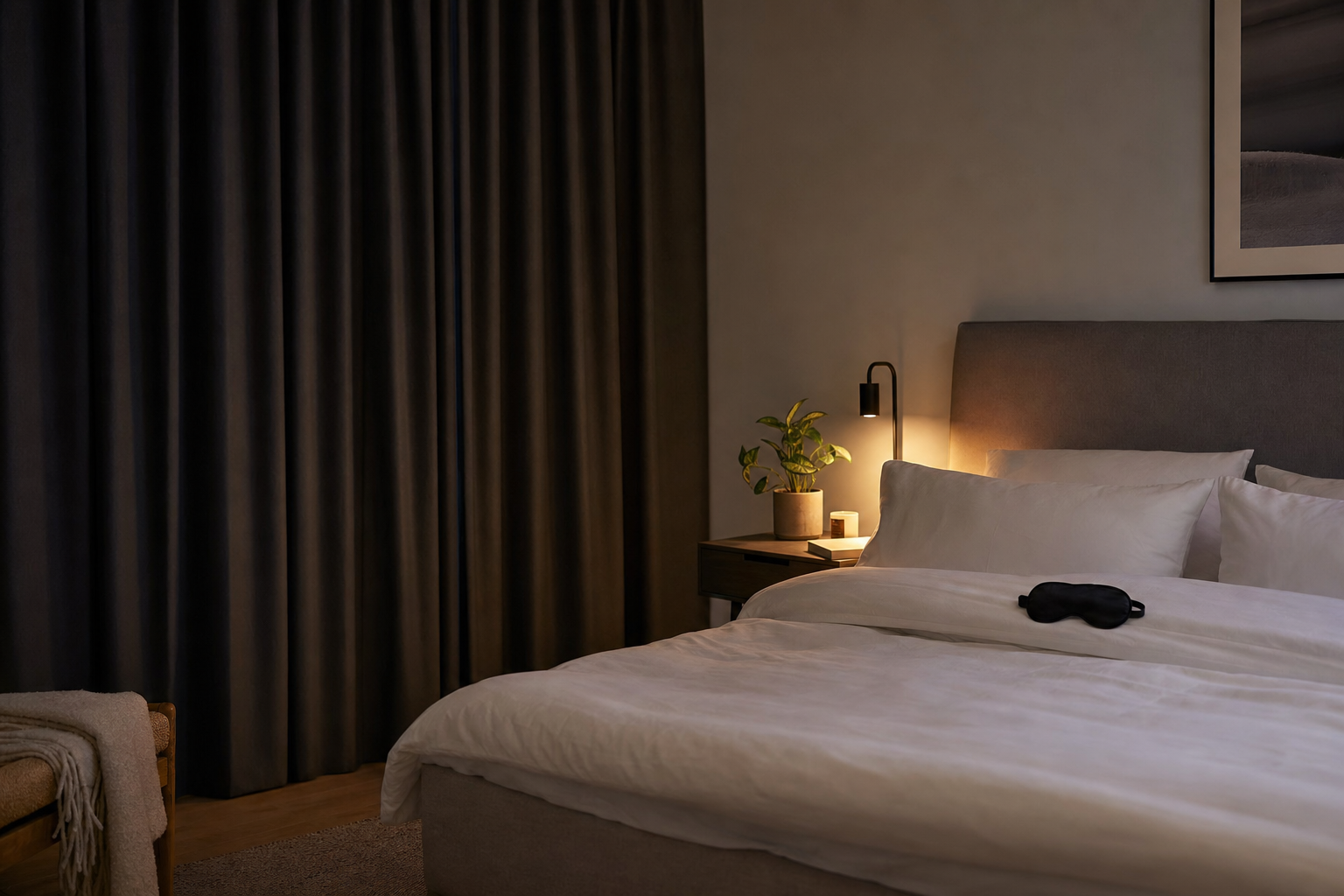
The ideal sleep environment is cool (16–18°C), completely dark, and quiet. Body temperature must drop to initiate and maintain sleep — a cool room accelerates this. Even small amounts of light (from streetlights, phone screens, or standby lights) suppress melatonin and fragment sleep. Blackout curtains or a sleep mask, a room temperature between 16–18°C, and earplugs or a white noise machine if needed are the most impactful environmental investments.
Reduce Stimulants
Caffeine has a half-life of approximately 5–7 hours — meaning half of a 3pm coffee is still active in your system at 9pm. For sensitive individuals, caffeine consumed after noon measurably reduces deep sleep. Alcohol similarly disrupts REM sleep even when it seems to improve sleep onset. Nicotine is also a stimulant that fragments sleep architecture. See our sleep hygiene guide for a complete list of habits that support or undermine sleep quality.
Daytime Habits That Affect Sleep
Exercise
Regular physical exercise is one of the most consistent and powerful improvers of sleep quality in the research literature. Aerobic exercise increases slow-wave deep sleep, reduces sleep onset time, and improves sleep efficiency. Even a single session of moderate exercise improves sleep quality that night. Timing matters: vigorous exercise within 1–2 hours of bedtime may delay sleep onset in some people, though this effect is smaller than previously thought and varies widely between individuals.
Light Exposure
Morning bright light exposure (ideally natural sunlight within 30–60 minutes of waking) is the most powerful way to anchor the circadian rhythm and improve sleep timing and quality. Morning light suppresses residual melatonin, advances the circadian phase, and signals the brain to set a precise wake time. Conversely, bright artificial light and blue light from screens in the 2 hours before bed suppresses melatonin and delays sleep onset. See our guide to circadian rhythm and sleep for a detailed light management protocol.
Stress Management
Unresolved psychological stress is one of the primary drivers of poor sleep quality. Techniques that measurably reduce pre-sleep arousal include progressive muscle relaxation, body scan meditation, cognitive restructuring of sleep-related anxiety (a core component of CBT-I), journaling, and structured worry time earlier in the evening. See our guide to sleep and mental health for evidence-based mental approaches to sleep improvement.
When to Suspect a Sleep Disorder
Snoring
Loud, frequent snoring — particularly when accompanied by gasping, choking, or witnessed breathing pauses — is a strong indicator of obstructive sleep apnoea. OSA repeatedly fragments sleep throughout the night, preventing restorative staging, and is associated with significantly increased risk of cardiovascular disease, hypertension, type 2 diabetes, and cognitive decline. It is highly treatable — but requires diagnosis.
Insomnia Symptoms
If difficulty falling or staying asleep occurs more than 3 nights per week for more than 3 months, this meets the diagnostic criteria for chronic insomnia. CBT-I (Cognitive Behavioural Therapy for Insomnia) is the first-line treatment — see our guide to insomnia causes and solutions.
Daytime Fatigue
Persistent daytime fatigue despite adequate time in bed — particularly if accompanied by morning headaches, dry mouth, or memory problems — warrants investigation for sleep apnoea, narcolepsy, or other sleep disorders.
FAQ
What improves sleep quality the fastest?
Fixing your wake time is typically the fastest single intervention — waking at the same time every day builds sleep pressure that makes falling and staying asleep significantly easier within days.
Does exercise improve sleep quality?
Yes — consistently and meaningfully. Even moderate aerobic exercise several times per week increases deep sleep, reduces sleep onset time, and improves overall sleep efficiency. The effect builds over weeks of regular exercise.
Can screens affect sleep quality?
Yes. Blue light from screens suppresses melatonin production and delays sleep onset, but the alerting effect of engaging content (news, social media) is equally or more disruptive than the light itself. Avoiding screens for 60–90 minutes before bed is the most effective strategy.
How long does it take to improve sleep quality?
Consistent sleep timing improvements are typically noticeable within 1–2 weeks. Environmental changes (darker, cooler room) often produce results within days. Addressing underlying anxiety or insomnia through CBT-I typically requires 6–8 weeks of structured intervention.
What temperature is best for sleep?
16–18°C (60–65°F) is consistently shown to be optimal for sleep quality. Warmer temperatures increase light sleep and waking; cooler temperatures support the body temperature drop needed to initiate and maintain sleep.
Does melatonin improve sleep quality?
Melatonin is primarily effective for shifting sleep timing (circadian misalignment, jet lag) rather than improving sleep quality per se. It is most useful taken 30–60 minutes before the desired sleep time. See our best sleep supplements guide for full details.

 James Hargreaves
 Sarah Mitchell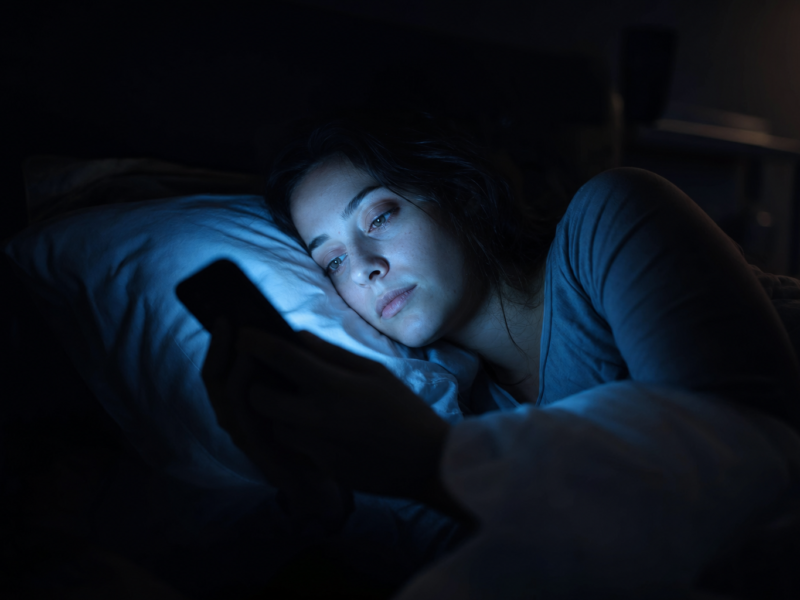
 Daniel Brooks
 Rachel Summers