 Daniel Brooks
What Is Dietary Fiber?
Dietary fiber is the indigestible portion of plant foods — the structural material found in vegetables, fruits, legumes, whole grains, nuts, and seeds that your digestive enzymes cannot break down. Unlike carbohydrates, protein, and fat, fiber passes through your stomach and small intestine largely intact, arriving in your large intestine where it performs some of its most important work.
Despite being calorie-poor and technically “undigested,” fiber is one of the most powerful nutritional tools available for gut health, metabolic function, weight management, heart health, and blood sugar control. Unfortunately, most adults consume only half the recommended daily amount — making fiber deficiency one of the most widespread and underappreciated nutritional shortfalls in the modern diet.
The Two Main Types of Dietary Fiber
Not all fiber works the same way. Understanding the two primary types helps you choose the right foods for your specific health goals.
Soluble Fiber
Soluble fiber dissolves in water to form a thick, gel-like substance in your digestive tract. This gel slows gastric emptying, blunting blood sugar spikes after meals and reducing LDL cholesterol absorption. Soluble fiber is also the preferred food source for beneficial gut bacteria, making it a key prebiotic. Rich sources include oats, barley, apples, pears, citrus fruits, lentils, chickpeas, psyllium husk, and flaxseeds.
Insoluble Fiber
Insoluble fiber does not dissolve in water. Instead, it adds bulk to stool, speeds transit time through the colon, and prevents constipation. It acts like a broom for your digestive tract, keeping things moving efficiently and reducing the risk of colorectal issues. Rich sources include whole wheat, bran, brown rice, nuts, seeds, and the skins of most vegetables and fruits.
Prebiotic Fiber
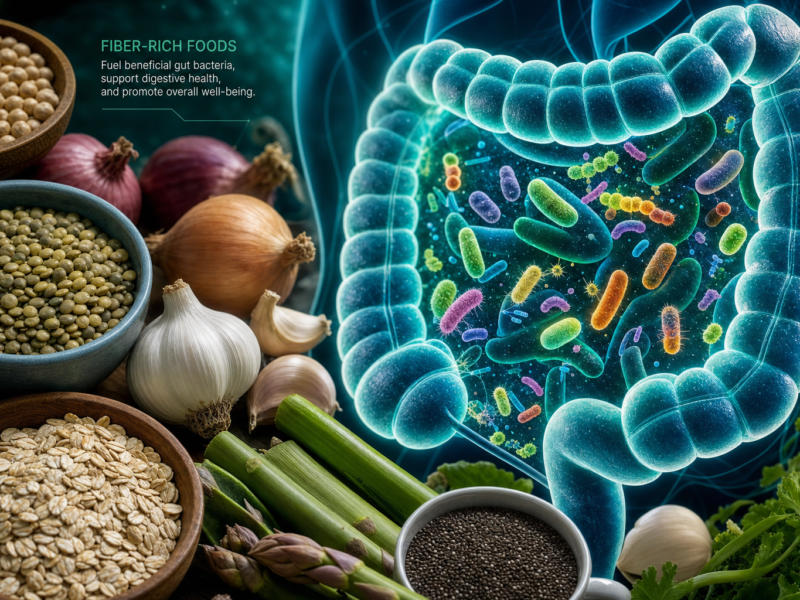
A third subcategory worth knowing is prebiotic fiber — a specific type of soluble fiber that selectively feeds beneficial bacteria in the gut microbiome. Foods like garlic, onions, leeks, asparagus, bananas, and chicory root are rich in prebiotic fiber compounds including inulin and fructooligosaccharides (FOS). These compounds are central to microbiome diversity and long-term gut health.
Why Dietary Fiber Matters — The Key Benefits
The research on fiber’s health benefits is among the most consistent in nutritional science. Here is what the evidence shows across the most important health outcomes.
Gut Health and Digestion
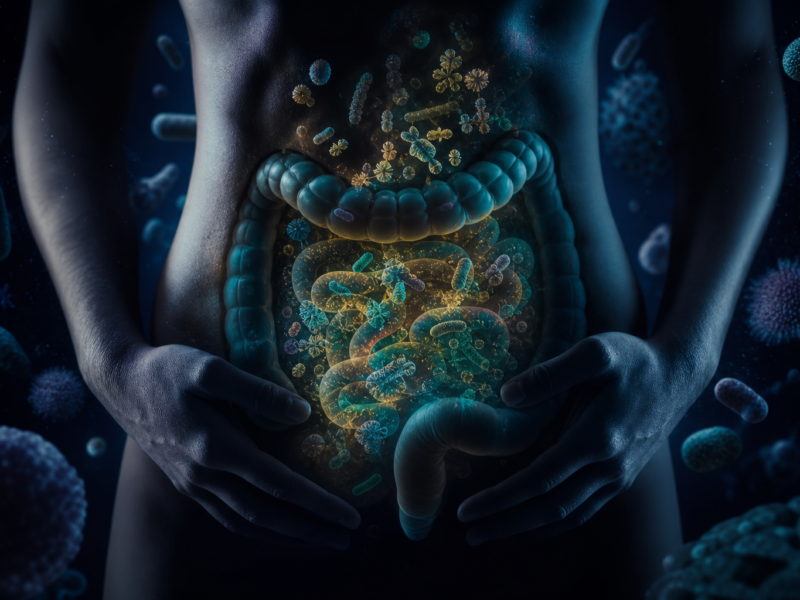
Fiber is the foundation of a healthy digestive system. It feeds the gut microbiome, supports regular bowel movements, prevents constipation, and reduces the risk of diverticular disease and colorectal cancer. A fiber-rich diet is consistently associated with greater microbiome diversity — one of the strongest markers of overall gut health.
Blood Sugar Control
Soluble fiber forms a gel that slows glucose absorption from carbohydrates, dramatically reducing post-meal blood sugar spikes. High-fiber diets are associated with significantly lower risk of type 2 diabetes and improved glycemic control in people who already have it.
Heart Health
Soluble fiber — particularly beta-glucan from oats and barley — binds to cholesterol in the digestive tract and removes it from the body before it can be absorbed, lowering LDL cholesterol. High fiber intake is consistently associated with lower rates of cardiovascular disease and stroke.
Weight Management
Fiber promotes satiety by slowing digestion, stabilising blood sugar, and stimulating gut hormones that signal fullness. High-fiber foods tend to be lower in calorie density, helping people eat less without feeling deprived. Studies consistently show that higher fiber intake is associated with lower body weight and less abdominal fat.
How Much Fiber Do You Need?
Current guidelines recommend 25 grams per day for women and 38 grams per day for men. Most adults in Western countries consume only 15–17 grams daily — less than half the recommended amount. Increasing fiber intake gradually (adding 5 grams per week) while drinking plenty of water prevents the bloating and gas that can accompany a sudden large increase.
The Best Food Sources of Dietary Fiber
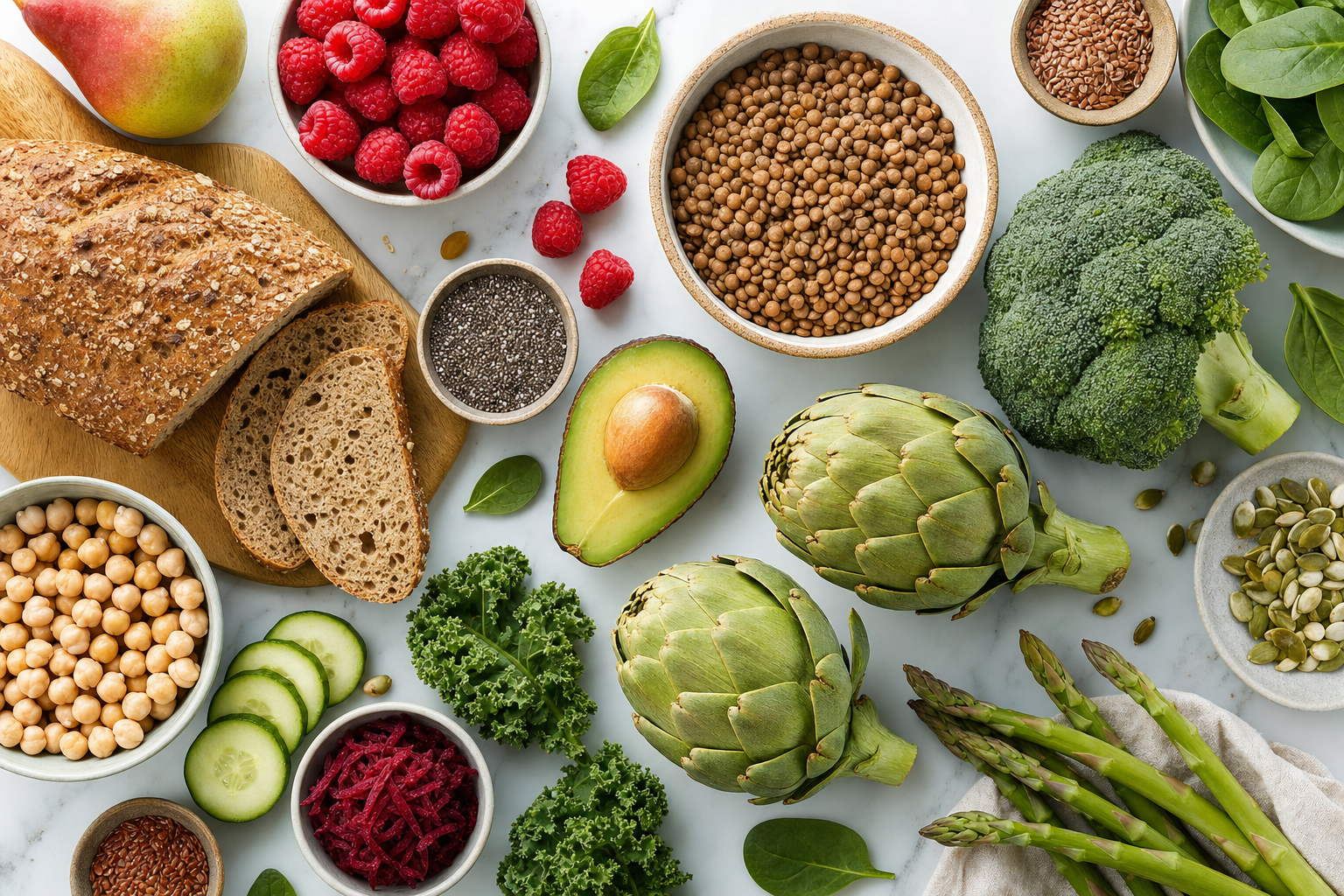
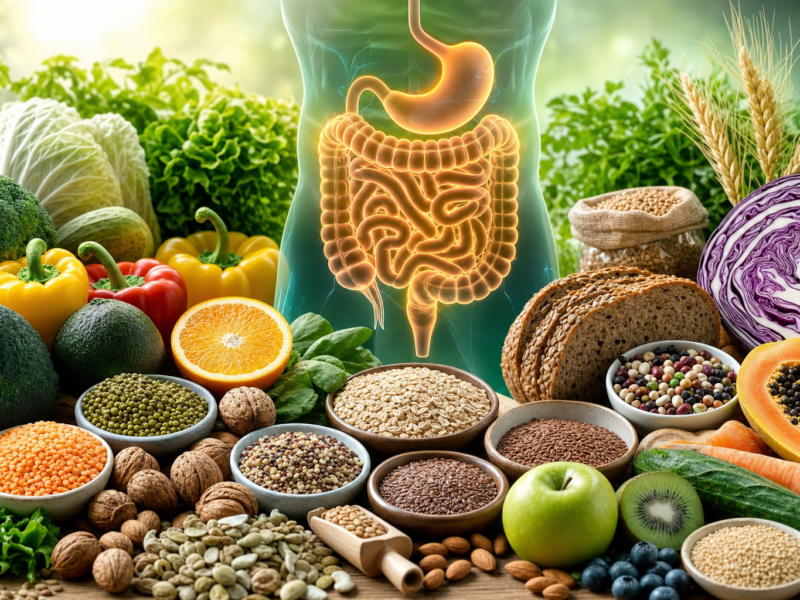
The best way to meet your fiber needs is through whole foods rather than supplements. Top sources include: legumes (lentils, black beans, chickpeas — 12–15g per cooked cup), whole grains (oats, quinoa, brown rice, barley), vegetables (broccoli, Brussels sprouts, artichokes, sweet potato with skin), fruits (pears, apples, raspberries, avocado), nuts and seeds (chia seeds, flaxseeds, almonds), and prebiotic-rich foods (garlic, onions, asparagus, leeks).
When to Consider Fiber Supplements
While whole food sources are always preferable, fiber supplements can be useful when dietary intake consistently falls short or for specific therapeutic purposes such as managing IBS, constipation, or cholesterol. Common supplements include psyllium husk, inulin, wheat dextrin, and methylcellulose. Always introduce supplements gradually and with plenty of water.
FAQ
What is dietary fiber?
Dietary fiber is the indigestible portion of plant foods that passes through your digestive system largely intact, feeding gut bacteria and supporting numerous health functions.
What are the two types of fiber?
Soluble fiber (dissolves in water, forms a gel, lowers cholesterol and blood sugar) and insoluble fiber (adds bulk, speeds transit, prevents constipation).
How much fiber should I eat per day?
25g for women and 38g for men. Most people get only about 15–17g daily.
What foods are highest in fiber?
Legumes, whole grains, vegetables, fruits, nuts, and seeds are the richest sources of dietary fiber.
Does fiber help with weight loss?
Yes — fiber promotes satiety, stabilises blood sugar, and reduces calorie intake naturally without hunger.
Is fiber good for gut health?
Absolutely. Fiber feeds beneficial gut bacteria, supports bowel regularity, and is one of the most important nutrients for a healthy gut microbiome.

 Ashley
 James Hargreaves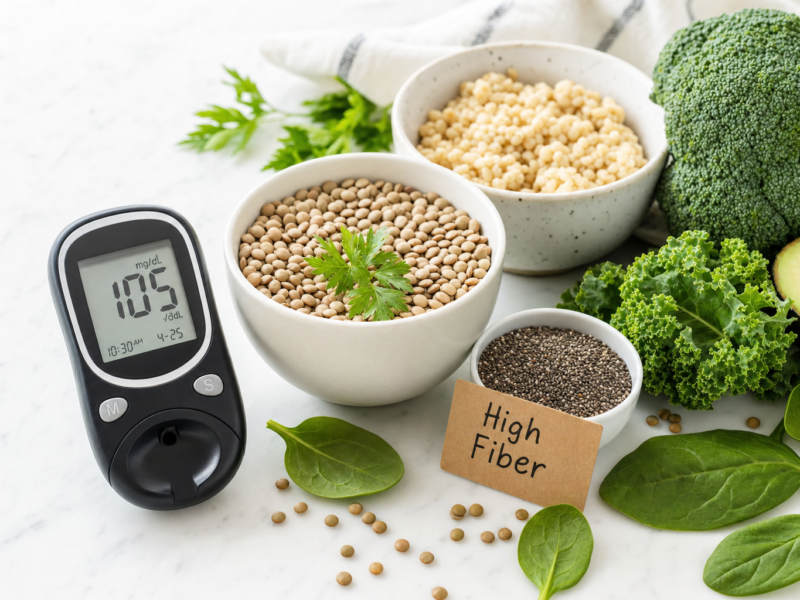
 Sarah Mitchell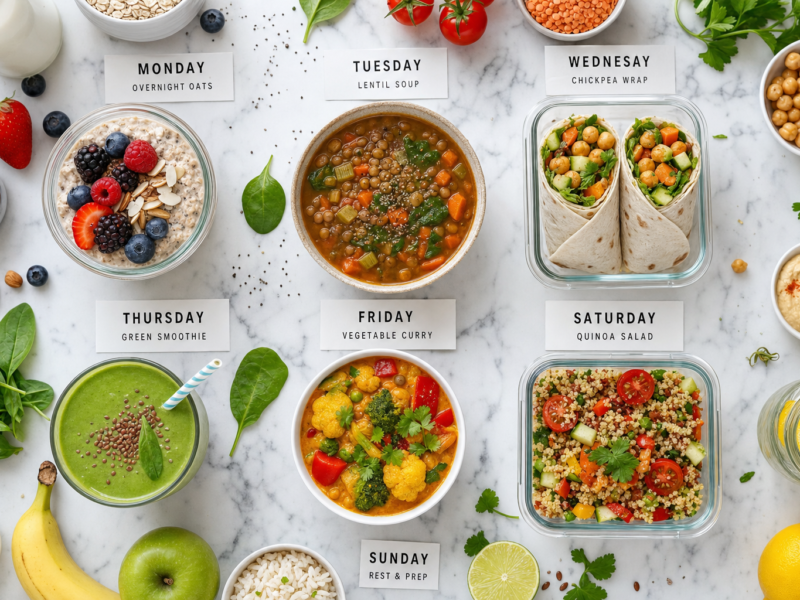
 Rachel Summers