
 Daniel Brooks
This article is for informational purposes only. If you suspect you have a sleep disorder such as sleep apnoea, speak with your doctor — untreated sleep disorders can significantly increase cardiovascular risk.
Why Sleep Is Crucial for Heart Health
Sleep is when your cardiovascular system gets its only real break. Heart rate drops, blood pressure falls to its lowest point of the day, and the body shifts into recovery mode — repairing blood vessels, regulating hormones, and reducing inflammation. Cut that recovery short night after night, and the cumulative damage starts showing up in blood pressure readings, cholesterol panels, and long-term cardiovascular risk.
The connection isn’t subtle. People who consistently sleep fewer than six hours per night have significantly higher rates of high blood pressure, heart attack, stroke, and heart failure compared to those sleeping seven to eight hours. Sleep isn’t a luxury — it’s cardiovascular maintenance.
How Poor Sleep Hurts Your Heart
Sleep and Blood Pressure
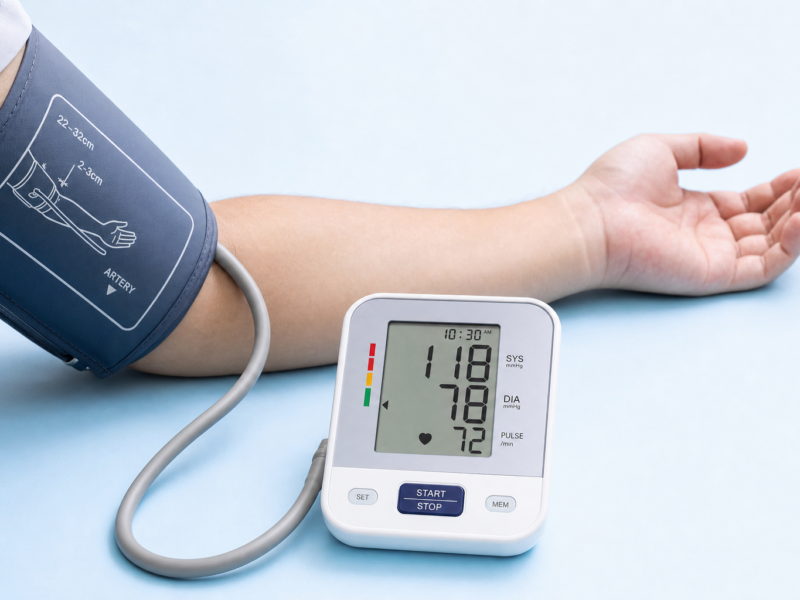
During normal sleep, blood pressure drops by 10–20% — a phenomenon called “nocturnal dipping.” This gives your arteries and heart a nightly reprieve. Short sleep, fragmented sleep, and sleep disorders prevent this dip, keeping blood pressure elevated around the clock. Over time, the sustained pressure damages artery walls and increases the workload on the heart. See our full guide on blood pressure and heart health for more on managing this risk factor.
Sleep and Inflammation
Poor sleep increases markers of systemic inflammation — C-reactive protein, interleukin-6, and others that are directly involved in the development and progression of atherosclerosis. Even one night of poor sleep can measurably raise inflammatory markers the next day. Chronic sleep deprivation keeps this inflammation simmering, accelerating the plaque buildup described in our cholesterol guide.
Sleep Disorders and Heart Risk
Insomnia and Heart Health
Chronic insomnia — persistent difficulty falling or staying asleep — is associated with a 45% increased risk of developing or dying from cardiovascular disease. The mechanisms include sustained cortisol elevation, chronic inflammation, and the unhealthy coping behaviours (caffeine, alcohol, inactivity) that often accompany long-term sleep problems.
Sleep Apnoea and Heart Disease
Obstructive sleep apnoea (OSA) — where breathing repeatedly stops and starts during sleep — is one of the strongest independent risk factors for heart disease. Each breathing pause triggers a surge in blood pressure, heart rate, and stress hormones. Over years, untreated sleep apnoea dramatically increases the risk of hypertension, atrial fibrillation, heart attack, stroke, and heart failure. If you snore heavily, gasp during sleep, or feel exhausted despite enough hours in bed, talk to your doctor about a sleep study.
How to Improve Sleep for Better Heart Health
Consistent Sleep Schedule
Going to bed and waking up at roughly the same time every day — including weekends — is the single most powerful thing you can do for sleep quality. It aligns your circadian rhythm, which regulates not just sleep but also blood pressure, heart rate, and hormone release throughout the day.
Sleep Environment and Routine
A cool, dark, quiet bedroom supports deeper sleep. Limiting screens before bed, avoiding caffeine after early afternoon, and building a calming wind-down routine all reduce the time it takes to fall asleep and improve sleep continuity. For detailed guidance, see our Sleep cluster — particularly the complete sleep guide and sleep hygiene.
Frequently Asked Questions
How does sleep affect heart health?
Sleep allows blood pressure and heart rate to drop, reduces inflammation, and supports hormonal balance. Poor sleep disrupts all of these, increasing the risk of hypertension, heart attack, stroke, and heart failure over time.
Can poor sleep cause heart disease?
Chronic poor sleep is an independent risk factor for cardiovascular disease. It raises blood pressure, increases inflammation, impairs glucose metabolism, and promotes weight gain — all of which contribute to heart disease development.
Does sleep apnoea affect the heart?
Yes — untreated obstructive sleep apnoea significantly increases the risk of high blood pressure, atrial fibrillation, heart attack, stroke, and heart failure. Treatment (usually CPAP therapy) reduces these risks.
How much sleep do I need for heart health?
Seven to eight hours per night is associated with the lowest cardiovascular risk. Consistently sleeping fewer than six hours or more than nine hours is linked to higher risk.
Simple 7-Day Sleep-for-Heart-Health Plan
Day 1: Set a consistent wake time and stick to it all week. Aim for 7+ hours tonight.
Day 2: Cut caffeine after 2pm. Put screens away 30 minutes before bed.
Day 3: Walk for 20 minutes during the day. Keep the bedroom cool and dark tonight.
Day 4: Try 5 minutes of slow breathing before bed. No alcohol tonight.
Day 5: Same wake time. Eat a light, heart-healthy dinner at least 2 hours before bed.
Day 6: Get morning sunlight for 10 minutes. Do a gentle stretch before bed.
Day 7: Review the week. Which changes felt sustainable? Keep those. If sleep is still poor despite good habits, consider talking to your GP — especially if you snore heavily or feel unrested.
For the full picture, read our complete guide to heart health.
Related Reading:
Heart Health: The Complete Guide
Best Foods for Heart Health
Exercise and Heart Health
Blood Pressure and Heart Health
Cholesterol Explained
Heart Disease Symptoms
Stress and Heart Health
Heart Health for Women
Heart Health After 50


 Sarah Mitchell

 Daniel Brooks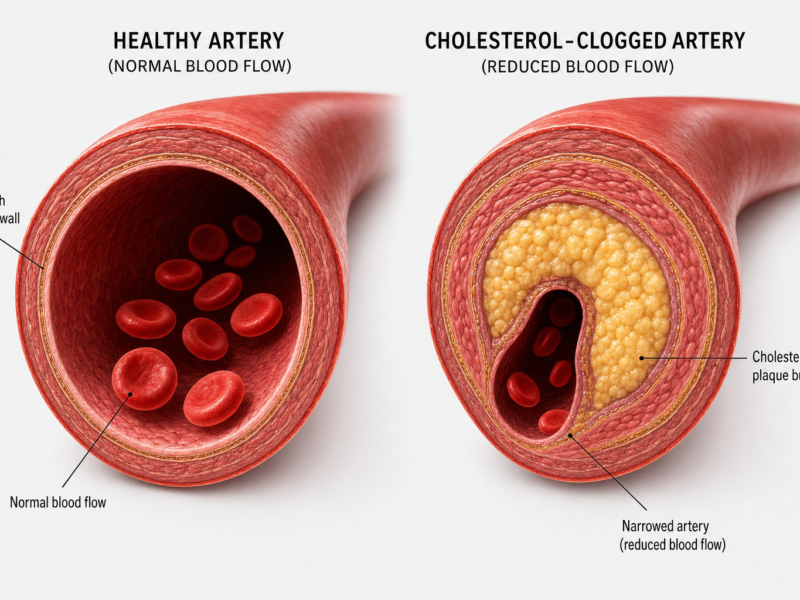
 Rachel Summers
 Emma Thornton