
 James Hargreaves
This article is for informational purposes only. If stress is significantly affecting your health or daily life, speaking with your GP or a mental health professional is a worthwhile step.
Why Stress Is a Hidden Heart Risk
Stress doesn’t show up on a blood test the way cholesterol or blood sugar does, but its effects on the cardiovascular system are real and measurable. Chronic stress raises cortisol and adrenaline, which in turn raise blood pressure, heart rate, and inflammation — three of the most important drivers of heart disease. It also pushes people toward unhealthy coping behaviours: overeating, smoking, drinking more alcohol, skipping exercise, and sleeping poorly. The stress itself is damaging, and the behaviours it drives make things worse.
How Stress Affects Your Heart
Stress and Blood Pressure
Acute stress triggers a temporary spike in blood pressure — your body’s “fight or flight” response. That’s normal and harmless in the short term. But when stress is chronic — ongoing work pressure, financial strain, caregiving, relationship conflict — those temporary spikes can become a sustained elevation that damages artery walls and forces the heart to work harder, day after day. For more on this connection, see our guide on blood pressure and heart health.
Stress and Heart Rate
Chronic stress keeps the nervous system in an alert state, which can elevate resting heart rate and reduce heart rate variability (HRV) — a measure of how well your heart adapts to changing demands. Low HRV is associated with higher cardiovascular risk. Regular exercise and relaxation practices are two of the most effective ways to improve it.
Chronic Stress and Long-Term Heart Damage
Artery and Vessel Damage
Sustained cortisol promotes inflammation and contributes to the buildup of plaque in artery walls — the same process driven by high cholesterol (see our cholesterol guide). Over years, chronic stress accelerates atherosclerosis even in people who eat well and exercise.
Stress and Heart Disease Risk
Research consistently links chronic psychological stress — including work stress, social isolation, depression, and anxiety — with increased rates of heart attack, stroke, and cardiovascular death. The effect is independent of traditional risk factors, meaning stress adds risk on top of whatever cholesterol, blood pressure, and other factors are already doing.
How to Manage Stress for Better Heart Health
Breathing and Relaxation Techniques
Slow, diaphragmatic breathing activates the parasympathetic nervous system — the “rest and digest” counterpart to fight-or-flight. Even five minutes of slow breathing (inhale for 4 counts, exhale for 6–8) can measurably lower heart rate and blood pressure. Progressive muscle relaxation, meditation, and guided relaxation recordings all work through similar mechanisms.
Exercise and Stress Relief
Exercise is one of the most reliable stress reducers available — it lowers cortisol, releases endorphins, improves sleep, and builds resilience to future stress. A 30-minute walk has both immediate and long-term benefits. See our exercise and heart health guide for a structured plan.
Sleep, Boundaries, and Support
Poor sleep amplifies stress, and stress disrupts sleep — breaking this cycle is important (see our sleep and heart health guide). Setting boundaries around work and technology, maintaining social connections, and seeking professional support (therapy, counselling, GP) when stress feels unmanageable are all legitimate cardiovascular interventions.
Frequently Asked Questions
How does stress affect heart health?
Chronic stress raises blood pressure, heart rate, and inflammation, accelerates artery damage, and drives unhealthy behaviours — all of which increase heart disease risk independently and cumulatively.
Can stress cause heart problems?
Yes. Chronic stress is an independent risk factor for heart attack, stroke, and cardiovascular death. It can also worsen existing heart conditions and trigger acute cardiac events in vulnerable individuals.
Is meditation good for heart health?
Evidence suggests regular meditation and mindfulness practices can lower blood pressure, reduce stress hormones, and improve heart rate variability. They work best as part of a broader lifestyle approach that includes exercise, good nutrition, and adequate sleep.
Simple 7-Day Stress-Reduction Plan for Heart Health
Day 1: Walk for 20 minutes. Practice 5 minutes of slow breathing before bed.
Day 2: Set one boundary — leave work on time, or put your phone away an hour before bed.
Day 3: Do a 15-minute strength session. Call or message someone you enjoy talking to.
Day 4: Try a 10-minute guided meditation (free apps work fine). Eat a heart-healthy dinner.
Day 5: Walk for 25 minutes. Write down three things that went well today.
Day 6: Spend 30 minutes on something you enjoy that isn’t a screen. Aim for 7+ hours of sleep.
Day 7: Review the week. Keep what worked. If stress feels persistent or overwhelming, consider booking a GP or counselling appointment.
For the full picture, read our complete guide to heart health.
Related Reading:
Heart Health: The Complete Guide
Best Foods for Heart Health
Exercise and Heart Health
Blood Pressure and Heart Health
Cholesterol Explained
Heart Disease Symptoms
Sleep and Heart Health
Heart Health for Women
Heart Health After 50


 James Hargreaves
 Daniel Brooks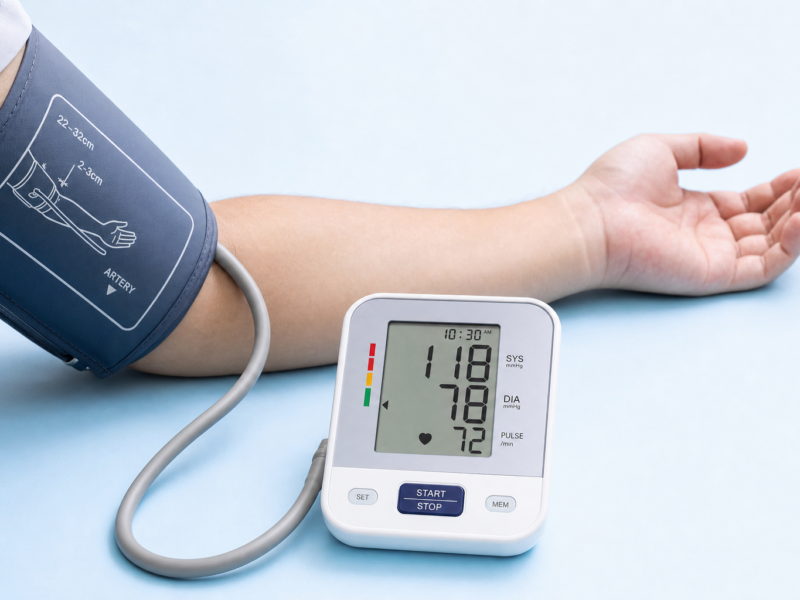
 Emma Thornton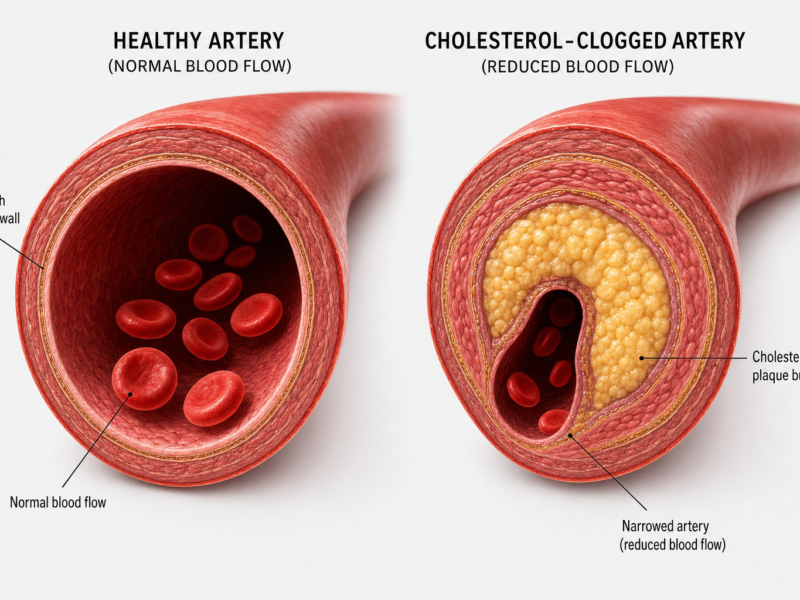
 Rachel Summers

 Sarah Mitchell