 Sarah Mitchell
This article is for informational purposes only. If you experience chest pain, sudden shortness of breath, or other symptoms described below, call 000 (Australia) or your local emergency number immediately. Do not wait to see if symptoms pass.
Why Heart Disease Symptoms Can Be Hard to Spot
Heart disease doesn’t always announce itself with a dramatic chest-clutching moment. For many people — particularly women — symptoms can be subtle, gradual, or easily mistaken for something else. Fatigue gets blamed on a busy week. Breathlessness gets chalked up to being unfit. A vague discomfort in the chest gets dismissed as indigestion. That’s part of what makes heart disease so dangerous: by the time the signs become unmistakable, significant damage may already be done.
Common Heart Disease Symptoms
Chest Pain and Discomfort
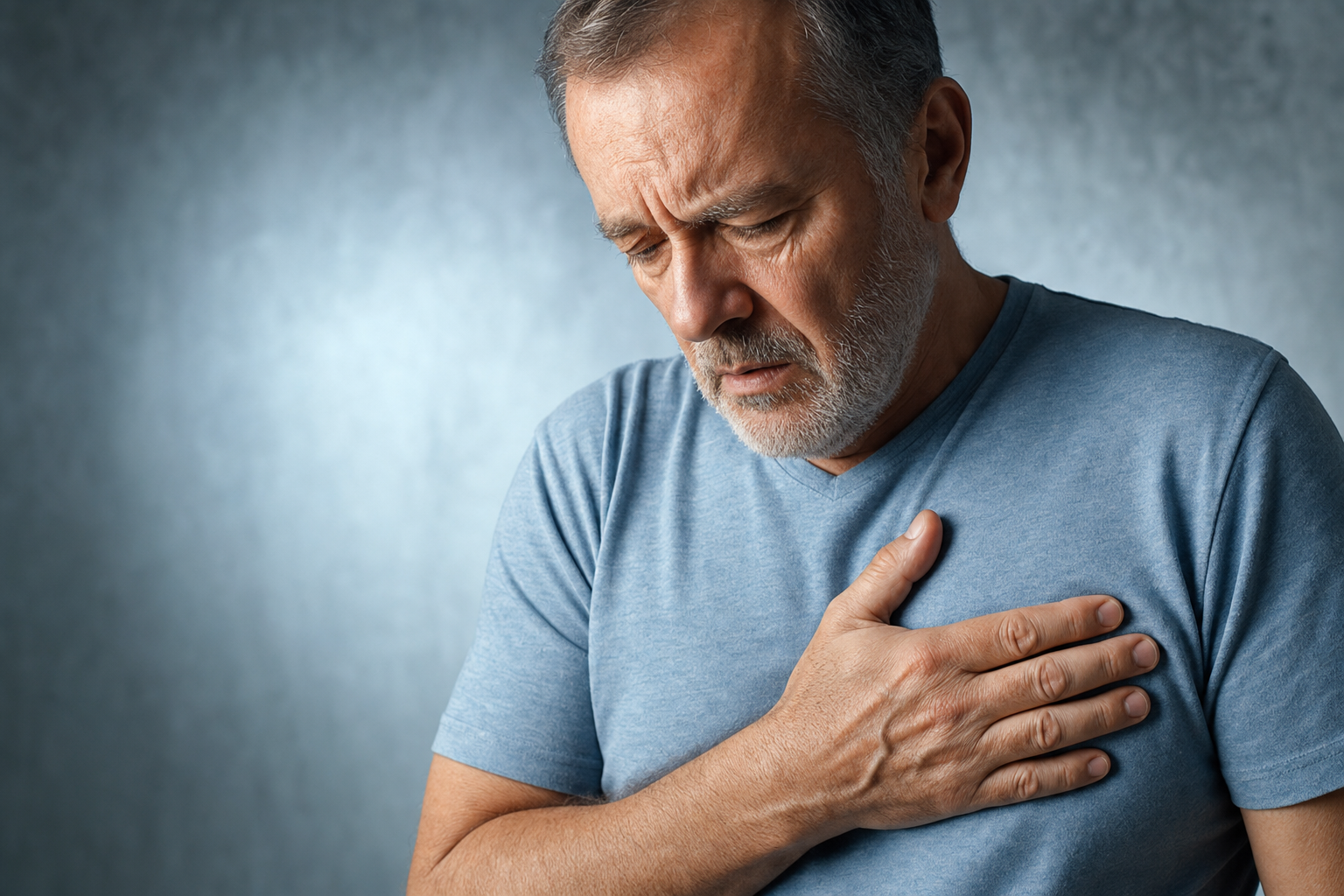
Chest pain is the most recognised heart symptom, but it doesn’t always feel like the “crushing pressure” you see on TV. It can be a dull ache, tightness, squeezing, or heaviness — sometimes in the centre of the chest, sometimes slightly to the left. It may come during exertion and ease with rest (angina), or it may be sudden and sustained (which may indicate a heart attack). Any new or unusual chest discomfort that lasts more than a few minutes warrants urgent medical attention.
Shortness of Breath
Becoming unusually breathless during activities that didn’t used to bother you — climbing stairs, walking uphill, carrying shopping — can be an early sign of heart disease. Breathlessness that occurs at rest or wakes you at night is more concerning and should be assessed promptly.
Fatigue and Weakness
Persistent, unexplained fatigue — the kind where normal tasks feel exhausting and rest doesn’t help — can be a sign that the heart isn’t pumping efficiently. This is particularly common in heart failure and is one of the symptoms most frequently overlooked or attributed to stress, poor sleep, or ageing.
Swelling in Legs and Feet
Fluid retention causing swelling (oedema) in the ankles, feet, or legs can indicate that the heart isn’t pumping blood effectively, causing fluid to back up. If swelling is new, persistent, or accompanied by breathlessness or fatigue, see your doctor.
Heart Attack Symptoms: Men vs. Women
Typical Symptoms in Men
Men more often experience the “classic” heart attack: sudden, intense chest pain or pressure, pain radiating to the left arm or jaw, cold sweats, and nausea. These symptoms tend to be more immediately recognisable, which is one reason men are more likely to call for help quickly.
Subtle Symptoms in Women
Women can experience the classic symptoms too, but they’re more likely to also have atypical signs: unusual fatigue in the days leading up, nausea, back or jaw pain, dizziness, and breathlessness without chest pain. These subtler presentations are often delayed or dismissed — both by the women themselves and sometimes by healthcare providers. Our guide on heart health for women goes deeper on this topic.
When to Call Emergency Services for Heart Symptoms
Red Flags That Need Immediate Help
Call 000 immediately if you experience: chest pain or pressure lasting more than a few minutes; pain spreading to the arm, jaw, neck, or back; sudden severe breathlessness; cold sweats with nausea or lightheadedness; sudden collapse or loss of consciousness. When in doubt, call — emergency services would rather assess you and find nothing than have you wait at home with a developing heart attack.
What to Do While Waiting for Help
Sit or lie in a comfortable position. Chew a regular aspirin (300mg) if you have one and are not allergic — this can help limit clot formation. Stay calm and avoid physical exertion. If the person becomes unresponsive and stops breathing normally, begin CPR immediately.
Frequently Asked Questions
What are the most common heart disease symptoms?
Chest pain or tightness, shortness of breath, unusual fatigue, dizziness, palpitations, and swelling in the legs or feet are the most common signs. Symptoms can range from dramatic to subtle.
What are heart attack symptoms in women?
Women may experience classic chest pain, but are more likely to also have unusual fatigue, nausea, back or jaw pain, dizziness, and breathlessness — sometimes without significant chest pain.
Can heart disease symptoms be mild?
Yes. Early symptoms like unusual breathlessness, reduced exercise tolerance, and persistent fatigue can be mild and gradual. That’s why regular check-ups and awareness of changes in how you feel during activity are important.
When should I call emergency services?
Call 000 for any chest pain lasting more than a few minutes, pain radiating to the arm or jaw, sudden severe breathlessness, collapse, or cold sweats with nausea. Don’t wait to see if it passes.
Simple “Heart Symptom Check” Guide
Ask yourself: Has anything changed in how I feel during normal physical activity — more breathless, more tired, more discomfort than before? Have I noticed any new chest sensations, swelling, or unexplained fatigue? Am I dismissing symptoms because they seem “not bad enough”?
If the answer to any of these is yes, book an appointment with your GP. If symptoms are sudden or severe, call 000 immediately.
For the full picture on heart health prevention and management, read our complete guide to heart health.
Related Reading:
Heart Health: The Complete Guide
Best Foods for Heart Health
Exercise and Heart Health
Blood Pressure and Heart Health
Cholesterol Explained
Stress and Heart Health
Sleep and Heart Health
Heart Health for Women
Heart Health After 50


 Daniel Brooks
 Emma Thornton
 Sarah Mitchell
 Rachel Summers

 James Hargreaves