 Rachel Summers
This article is for informational purposes only. If you have high cholesterol or are considering medication, work with your doctor to determine the right approach for your situation.
What Cholesterol Is and Why It Matters
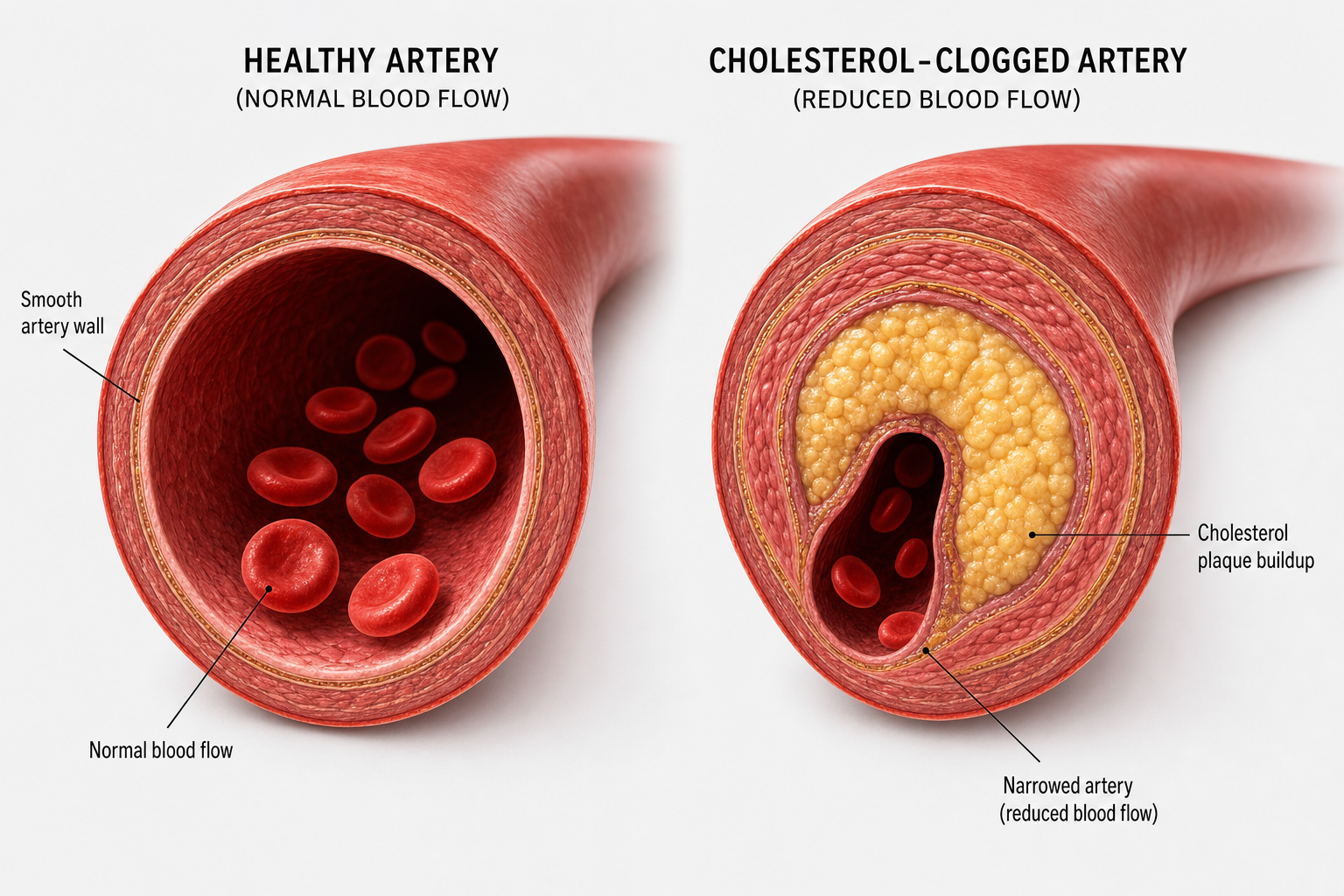
Cholesterol gets a bad reputation, but your body actually needs it — it’s used to build cell membranes, produce hormones, and make vitamin D. The problem isn’t cholesterol itself; it’s having too much of the wrong kind in your blood for too long. When LDL cholesterol accumulates in artery walls, it forms plaque that narrows and stiffens the arteries, setting the stage for heart attack and stroke.
Most cholesterol is made by your liver, not absorbed from food. But what you eat still influences your levels significantly — particularly through saturated fat, trans fat, fibre, and overall dietary patterns. Understanding your numbers is the first step toward managing them.
The Types of Cholesterol and Lipids
LDL (“Bad”) Cholesterol
Low-density lipoprotein (LDL) carries cholesterol from the liver to the rest of the body. When there’s too much, it deposits in artery walls and triggers an inflammatory response that builds plaque over time. Higher LDL means higher cardiovascular risk — most guidelines aim for LDL below 3.0 mmol/L for people at average risk, and lower for those with existing heart disease or multiple risk factors.
HDL (“Good”) Cholesterol
High-density lipoprotein (HDL) acts as a cleanup crew — it picks up excess cholesterol from the bloodstream and artery walls and carries it back to the liver for disposal. Higher HDL is generally protective. Regular exercise, healthy fats, and moderate alcohol intake can raise HDL, while smoking and a sedentary lifestyle lower it.
Triglycerides and Heart Risk
Triglycerides are a type of fat in your blood that your body uses for energy. Elevated triglycerides — often driven by excess sugar, refined carbs, alcohol, and excess calories — are independently associated with higher heart disease risk, particularly when combined with high LDL and low HDL. Reducing sugar and alcohol intake, losing excess weight, and eating more omega-3 fats all help lower triglycerides.
How Cholesterol Affects Heart Health
Plaque Buildup and Artery Narrowing
When LDL cholesterol lodges in artery walls, the body’s immune system responds with inflammation, creating a fatty deposit called plaque. Over years, plaque grows and hardens, narrowing the artery and reducing blood flow. This process — atherosclerosis — is the underlying cause of most heart attacks and many strokes.
Cholesterol and Heart Disease Risk
The relationship between LDL cholesterol and heart disease is one of the most established in cardiovascular medicine. Lowering LDL — whether through diet, exercise, or medication — consistently reduces the rate of heart attacks and strokes across every population studied. The earlier you address elevated cholesterol, the more time you have to prevent cumulative damage.
How to Improve Your Cholesterol Numbers
Diet Changes for Better Cholesterol
Replacing saturated fats (fatty meats, butter, full-fat dairy) with unsaturated fats (olive oil, nuts, avocado, fish) is the single most impactful dietary change for LDL. Increasing soluble fibre from oats, legumes, and fruits helps bind and remove cholesterol. Reducing trans fats and added sugar further improves the overall lipid profile. For specific food recommendations, see our guide on the best foods for heart health.
Exercise and Cholesterol
Regular aerobic exercise raises HDL cholesterol, lowers triglycerides, and can modestly reduce LDL — especially when combined with dietary changes and weight management. Even 30 minutes of brisk walking most days contributes. See our exercise and heart health guide for a practical plan.
When Medication Is Needed
For some people — particularly those with very high LDL, existing heart disease, diabetes, or multiple risk factors — lifestyle changes alone may not be enough. Statins are the most commonly prescribed cholesterol-lowering medication and have a strong evidence base for reducing heart attacks and strokes. The decision to start medication is best made with your doctor based on your full cardiovascular risk profile, not just a single cholesterol number.
Frequently Asked Questions
What do LDL and HDL mean?
LDL (low-density lipoprotein) carries cholesterol to your arteries — too much is harmful. HDL (high-density lipoprotein) carries cholesterol away from your arteries — higher is generally protective.
What is a normal cholesterol level?
Desirable total cholesterol is generally below 5.5 mmol/L. LDL below 3.0 mmol/L and HDL above 1.0 mmol/L (men) or 1.2 mmol/L (women) are typical targets. Triglycerides below 1.7 mmol/L are considered normal. Your doctor can interpret your numbers in context.
How can I lower my LDL cholesterol?
Replace saturated fats with unsaturated fats, increase soluble fibre, exercise regularly, maintain a healthy weight, and avoid trans fats. If lifestyle changes aren’t sufficient, medication may be recommended.
How can I raise my HDL cholesterol?
Regular aerobic exercise is the most effective lifestyle strategy. Not smoking, maintaining a healthy weight, and including healthy fats (olive oil, nuts, fish) in your diet also support higher HDL.
What are triglycerides and are they bad?
Triglycerides are blood fats used for energy. Elevated levels — often from excess sugar, alcohol, or calories — increase heart disease risk. Reducing sugar, alcohol, and refined carbs while increasing omega-3 intake helps lower them.
Do I need cholesterol medication?
That depends on your overall cardiovascular risk, not just your cholesterol number. Your doctor will consider your age, blood pressure, diabetes status, smoking history, family history, and cholesterol levels together to determine whether medication is appropriate.
Simple 7-Day Cholesterol-Friendly Plan
Day 1: Start your morning with oats (soluble fibre). Cook dinner with olive oil. Walk 20 minutes.
Day 2: Snack on a handful of walnuts. Have fish for dinner (salmon or sardines). Skip the takeaway.
Day 3: Add legumes to a meal (lentil soup, bean salad). Do a 15-minute strength session.
Day 4: Swap butter for avocado on toast. Walk for 25 minutes. Extra vegetables at dinner.
Day 5: Choose a whole-grain option at every meal. Limit added sugar today.
Day 6: Have a meat-free day. Try chickpea curry or a vegetable stir-fry with tofu.
Day 7: Walk 30 minutes. Review which swaps felt easy. Keep those going. Book a lipid panel if you haven’t had one recently.
For the full picture, read our complete guide to heart health.
Related Reading:
Heart Health: The Complete Guide
Best Foods for Heart Health
Exercise and Heart Health
Blood Pressure and Heart Health
Heart Disease Symptoms
Stress and Heart Health
Sleep and Heart Health
Heart Health for Women
Heart Health After 50

 Sarah Mitchell
 Daniel Brooks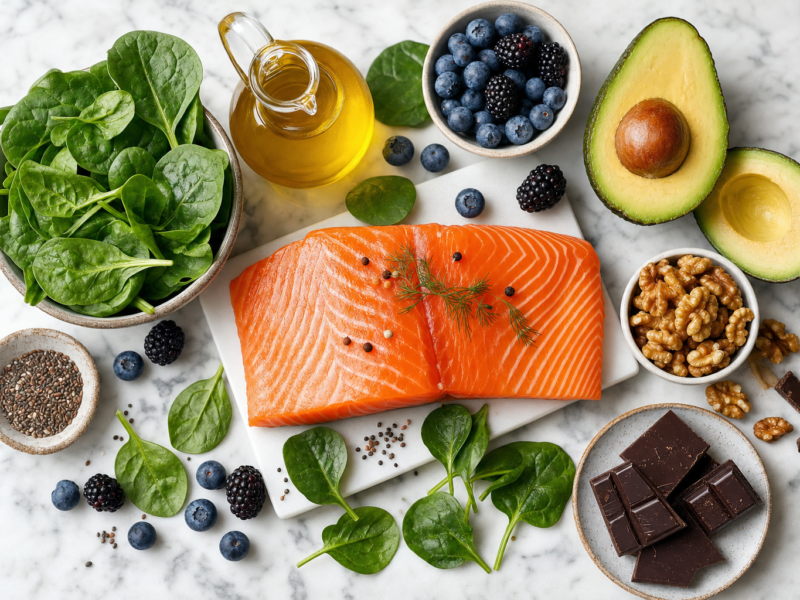
 James Hargreaves
 Emma Thornton