
 Daniel Brooks
This article is for informational purposes only. If you have a heart condition or haven’t exercised in a long time, consult your doctor before starting a new exercise program.
Why Exercise Is One of the Best Things for Your Heart
If exercise were a pill, it would be the most prescribed medication in the world. Regular physical activity reduces heart disease risk by 30–50%, lowers blood pressure, raises HDL cholesterol, improves blood sugar control, helps manage weight, and reduces the stress and inflammation that quietly damage arteries over years. No drug matches that combination of benefits with so few side effects.
The best part: you don’t need to train like an athlete. A brisk daily walk, a few strength sessions per week, and staying generally active throughout the day get you most of the cardiovascular benefit. Consistency matters far more than intensity.
How Exercise Strengthens the Heart
Better Pumping Efficiency
The heart is a muscle, and like any muscle, it responds to training. Regular aerobic exercise makes the heart stronger and more efficient — it can pump more blood per beat, which means it doesn’t have to beat as often to deliver the same amount of oxygen. This is why fit people tend to have lower resting heart rates. A heart that works more efficiently wears out more slowly.
Improved Blood Flow and Circulation
Exercise stimulates the production of nitric oxide, which helps blood vessels relax and widen. Over time, regular activity improves the flexibility and function of artery walls, reduces stiffness, and supports better blood flow to every organ — including the heart itself. This is one of the main mechanisms through which exercise lowers blood pressure (see our full guide on blood pressure and heart health).
Best Types of Exercise for Heart Health
Moderate Aerobic Activity
Brisk walking, cycling, swimming, dancing, and gardening all count as moderate aerobic activity — the kind where you’re breathing harder than normal but can still hold a conversation. This is the foundation of heart-healthy exercise and the type with the strongest evidence base. Even 10-minute blocks throughout the day add up.
Vigorous Cardio and HIIT
Running, fast cycling, rowing, and high-intensity interval training (HIIT) push the heart harder and can deliver cardiovascular benefits in less time. Vigorous exercise is safe and beneficial for most people, but if you have an existing heart condition or haven’t been active, build up gradually and check with your doctor first.
Strength Training and Heart Health
Resistance training — weights, bands, bodyweight exercises — supports heart health in ways that complement cardio. It helps manage weight, improves insulin sensitivity, lowers blood pressure (particularly between sets as you rest), and maintains the muscle mass that keeps your metabolism healthy as you age. Two sessions per week is the standard recommendation.
How Much Exercise Do You Need for Heart Health?
Weekly Exercise Targets
Current guidelines recommend at least 150 minutes of moderate aerobic activity per week (about 30 minutes, five days), or 75 minutes of vigorous activity, plus two strength training sessions. More is generally better, but even half these amounts provides meaningful protection compared to being sedentary. The jump from “doing nothing” to “doing something” is where the biggest risk reduction happens.
Intensity and Progression
Start where you are. If you’re currently inactive, a 10-minute walk is a genuine first step — not a compromise. Build gradually: add 5 minutes per session each week, increase the pace when it feels comfortable, and introduce variety as your fitness improves. Pushing too hard too fast is the fastest route to injury and quitting. Steady progress beats heroic effort every time.
Frequently Asked Questions
How does exercise improve heart health?
Exercise strengthens the heart muscle, improves circulation, lowers blood pressure, raises HDL cholesterol, reduces inflammation, helps manage weight, and lowers stress — all of which reduce cardiovascular disease risk.
What is the best exercise for heart health?
Moderate aerobic activity like brisk walking has the broadest evidence base. But the best exercise for heart health is whichever type you’ll do consistently — walking, cycling, swimming, dancing, or any combination.
Is walking enough for heart health?
Yes — regular brisk walking significantly reduces heart disease risk and is one of the most sustainable forms of exercise. Ideally, complement it with some strength training, but walking alone is far better than inactivity.
Can exercise lower blood pressure?
Yes. Regular aerobic exercise can lower systolic blood pressure by 5–8 mmHg on average, which is comparable to some blood pressure medications. The effect is seen within a few weeks of consistent activity.
Is strength training good for the heart?
Yes. Strength training improves insulin sensitivity, helps manage weight, lowers blood pressure, and maintains muscle mass. Two sessions per week, targeting major muscle groups, is the standard recommendation alongside aerobic activity.
Simple 4-Week Heart-Healthy Exercise Plan
Week 1: Walk briskly for 15–20 minutes, 4 days. One bodyweight strength session (squats, push-ups, lunges — 15 minutes).
Week 2: Walk 20–25 minutes, 4–5 days. Two strength sessions. Add gentle stretching on rest days.
Week 3: Walk 25–30 minutes, 5 days. Two strength sessions (add resistance or extra sets). Try one session at a slightly faster pace.
Week 4: Walk 30 minutes, 5 days. Two strength sessions. Add one day of variety — cycling, swimming, a fitness class, or a hike.
Pair this with the dietary changes from our best foods for heart health guide, and you’ll be covering the two most impactful lifestyle factors for your cardiovascular system. For the full picture, see our complete guide to heart health.
Related Reading:
Heart Health: The Complete Guide
Best Foods for Heart Health
Blood Pressure and Heart Health
Cholesterol Explained
Heart Disease Symptoms
Stress and Heart Health
Sleep and Heart Health
Heart Health for Women
Heart Health After 50


 Sarah Mitchell
 James Hargreaves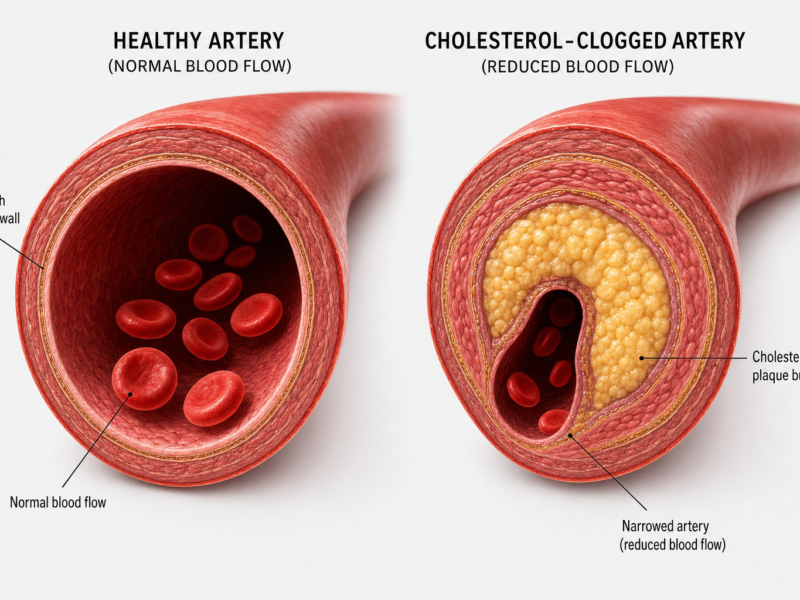
 Rachel Summers

 Emma Thornton