 Sarah Mitchell
This article is for informational purposes only and does not constitute medical advice. If you have heart-related symptoms, risk factors, or concerns, speak with your doctor. In a medical emergency, call 000 (Australia) or your local emergency number immediately.
Why Heart Health Matters
Heart disease is the leading cause of death in Australia and globally — and it has been for decades. But the numbers don’t tell the full story. For every person who dies from a heart attack or stroke, many more live with the consequences: reduced energy, limited physical capacity, daily medication, anxiety about their next event, and a quality of life that quietly shrinks year after year.
The encouraging part is that most heart disease is driven by modifiable risk factors. Blood pressure, cholesterol, blood sugar, weight, diet, physical activity, smoking, stress, and sleep — these are things you can influence, starting today. You don’t need to overhaul your entire life. Small, consistent changes to a few of these factors can meaningfully reduce your cardiovascular risk over time. This guide covers all of them.
How Your Heart Works
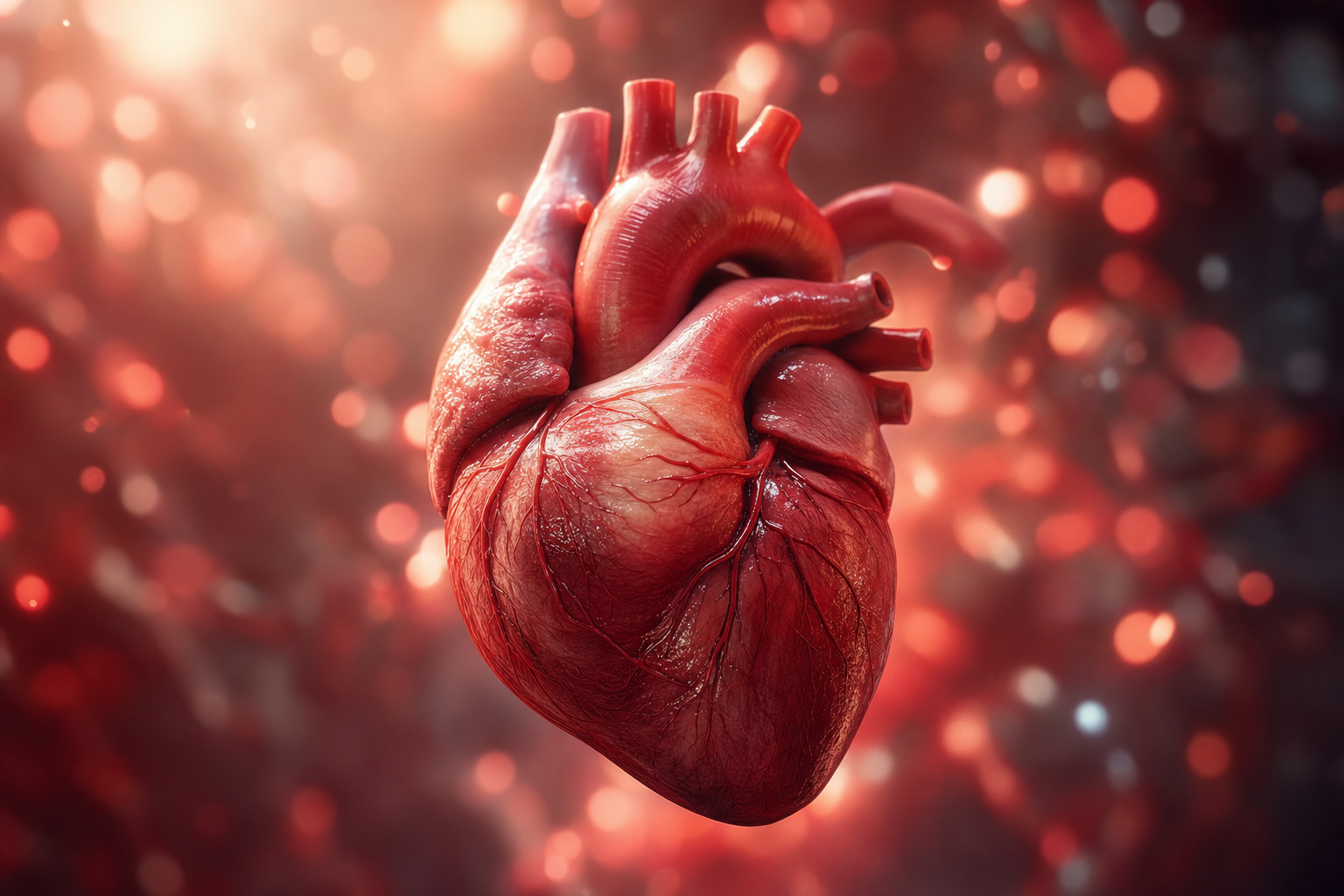
Your heart is a muscular pump roughly the size of your fist, sitting slightly left of centre in your chest. It beats around 100,000 times a day, pushing blood through a network of arteries and veins that, laid end to end, would stretch over 90,000 kilometres. Every organ in your body depends on this system to deliver oxygen and nutrients and carry away waste.
Basic Heart Anatomy
The heart has four chambers — two upper (atria) and two lower (ventricles) — separated by valves that open and close to keep blood flowing in one direction. The right side receives used blood from the body and sends it to the lungs for oxygen. The left side receives oxygenated blood from the lungs and pumps it out to the rest of the body. The left ventricle does the heaviest work, which is why it has the thickest walls.
How Blood Flows Through Your Heart
Blood returns to the heart through veins, enters the right atrium, passes through the tricuspid valve into the right ventricle, and is pumped to the lungs. In the lungs, carbon dioxide is swapped for oxygen. The freshly oxygenated blood returns to the left atrium, passes through the mitral valve into the left ventricle, and is pumped through the aorta to the rest of the body. This entire cycle happens with every heartbeat — roughly once per second at rest.
Key Signs of Good vs. Poor Heart Health
Signs of a Healthy Heart
A healthy heart doesn’t announce itself — it just works. Good energy levels, the ability to exercise without unusual breathlessness, a resting heart rate in a normal range (roughly 60–100 beats per minute, lower if you’re fit), healthy blood pressure (around 120/80 mmHg or below), and cholesterol levels within recommended ranges are all indicators that your cardiovascular system is doing its job well.
Warning Signs of Heart Problems
Warning signs can be dramatic (crushing chest pain, sudden breathlessness) or subtle (unusual fatigue, swelling in the ankles, feeling lightheaded during normal activity). Many people dismiss early symptoms as stress, ageing, or being unfit. If something feels different — especially during exertion — it’s worth getting checked. Our dedicated guide on heart disease symptoms covers what to watch for in detail.
Major Risk Factors for Heart Disease
High Blood Pressure (Hypertension)
High blood pressure is often called the “silent killer” because it typically has no symptoms until damage is already done. It forces the heart to work harder, damages artery walls, and increases the risk of heart attack, stroke, and heart failure. Getting your blood pressure checked regularly — and addressing it if it’s elevated — is one of the most impactful things you can do for your heart. Read our full guide on blood pressure and heart health.
High Cholesterol and Lipids
Too much LDL (“bad”) cholesterol in the blood leads to plaque buildup in artery walls, narrowing them over time and increasing the risk of blockage. HDL (“good”) cholesterol helps remove excess cholesterol from the bloodstream. Understanding and managing your numbers matters — see our guide on cholesterol explained.
Diabetes and Blood Sugar
Consistently high blood sugar damages blood vessels and the nerves that control your heart. People with type 2 diabetes have roughly double the risk of heart disease compared to those without. Managing blood sugar through diet, activity, and (when needed) medication is directly protective of heart health.
Smoking and Vaping
Smoking damages the lining of arteries, raises blood pressure, reduces HDL cholesterol, and makes blood more likely to clot. It’s one of the strongest modifiable risk factors for heart disease. Quitting at any age reduces risk — the cardiovascular benefits begin within hours and compound over months and years. Vaping is less studied long-term but is not considered risk-free for the heart.
Lifestyle Risk Factors
Physical inactivity, poor diet, excess weight (particularly around the abdomen), chronic stress, poor sleep, and excessive alcohol all independently increase heart disease risk. The good news: improving any one of these tends to improve several others at the same time.
How to Improve Heart Health
Heart-Healthy Eating
The evidence on diet and heart health is clearer than almost any other area of nutrition. A diet rich in vegetables, fruits, whole grains, legumes, nuts, fish, and healthy fats (like olive oil) — and low in processed meats, refined carbohydrates, added sugar, and excess salt — consistently reduces cardiovascular risk across populations. Our guide on the best foods for heart health covers specific choices and a sample meal plan.
Exercise and Cardiovascular Fitness
Regular physical activity strengthens the heart muscle, improves circulation, lowers blood pressure, raises HDL cholesterol, helps control weight, and reduces stress. Current guidelines recommend at least 150 minutes of moderate aerobic activity per week (like brisk walking) plus two sessions of strength training. More is generally better, but even small amounts of regular movement provide meaningful protection compared to being sedentary. See our full guide on exercise and heart health.
Sleep and Heart Health
Consistently sleeping fewer than six hours or more than nine hours per night is associated with higher cardiovascular risk. Sleep is when your heart rate and blood pressure drop to their lowest — giving the cardiovascular system a chance to recover. Poor sleep, particularly conditions like sleep apnoea, keeps blood pressure elevated and increases inflammation. Our guide on sleep and heart health explains the connection and what to do about it.
Stress Management for Heart Health
Chronic stress raises cortisol, blood pressure, and inflammation — all of which accelerate heart disease over time. Stress also drives unhealthy coping behaviours (overeating, smoking, drinking, skipping exercise) that compound the problem. Managing stress through movement, breathing exercises, social connection, adequate rest, and professional support when needed is a genuine cardiovascular intervention, not a luxury. See our guide on stress and heart health.
Weight Management and Heart Health
Excess weight — especially visceral fat around the abdomen — is strongly linked to high blood pressure, high cholesterol, insulin resistance, and inflammation. Losing even 5–10% of body weight in people who carry excess can meaningfully improve blood pressure and cholesterol numbers. The approach matters less than the consistency: sustainable dietary changes combined with regular movement beat any short-term diet.
Heart Health and Age
Heart Health for Young Adults
Heart disease feels abstract in your twenties and thirties, but the foundations are being laid now. Blood pressure, cholesterol, and blood sugar trends that start in early adulthood track into middle age. Building habits around movement, diet, and not smoking during this period is the single most effective long-term investment in heart health.
Heart Health for Middle Age
Risk factors tend to accumulate and become clinically relevant in your forties and fifties. This is when blood pressure starts creeping up, cholesterol levels may shift, and the effects of a sedentary lifestyle become harder to ignore. Regular screening and proactive lifestyle adjustments during this decade can prevent or delay the onset of clinical heart disease.
Heart Health for Older Adults
After 60, cardiovascular risk rises significantly — arteries stiffen, the heart may thicken, and decades of accumulated risk factors converge. But improvement is still possible at any age. Exercise, dietary adjustments, medication adherence, and regular screening all remain effective. Our guide on heart health after 50 covers age-specific strategies in detail.
When to See a Doctor for Heart Concerns
Heart Symptoms That Need Attention
Chest pain or pressure, unusual shortness of breath, persistent fatigue, dizziness during activity, swelling in the legs or feet, or a fast or irregular heartbeat all warrant a medical assessment. These symptoms don’t always mean heart disease, but they should always be checked rather than dismissed.
Heart Screening and Tests
Regular blood pressure and cholesterol checks are the baseline. Your GP can assess your overall cardiovascular risk using tools that factor in age, gender, family history, blood pressure, cholesterol, smoking status, and diabetes. Depending on your risk profile, additional tests — ECG, stress test, echocardiogram, or coronary calcium score — may be recommended.
Frequently Asked Questions
What are the best ways to improve heart health?
The biggest levers are regular exercise, a diet rich in vegetables, fruits, whole grains, and healthy fats, maintaining a healthy weight, not smoking, managing blood pressure and cholesterol, sleeping 7–8 hours, and managing stress. Small, sustained changes to any of these make a real difference.
How do I know if my heart is healthy?
Good energy, normal blood pressure (around 120/80 or below), healthy cholesterol levels, no unusual symptoms during exercise, and a resting heart rate in the normal range are all positive indicators. Regular check-ups with blood pressure and cholesterol screening are the most reliable way to know.
What foods are best for heart health?
Vegetables, fruits, whole grains, legumes, fish (especially oily fish), nuts, seeds, and olive oil are consistently associated with lower heart disease risk. Limiting processed meats, refined carbs, added sugar, and excess salt supports these benefits.
How does exercise improve heart health?
Exercise strengthens the heart muscle, improves blood flow, lowers blood pressure, raises HDL cholesterol, helps manage weight, and reduces stress and inflammation. Both aerobic exercise and strength training contribute to cardiovascular health.
What are the warning signs of heart disease?
Chest pain or tightness, unusual shortness of breath, persistent fatigue, dizziness, palpitations, and swelling in the legs or feet are all potential warning signs. Some people — especially women — may experience subtler symptoms like nausea, jaw pain, or extreme tiredness.
When should I get my heart checked?
All adults should have their blood pressure and cholesterol checked regularly — at least every two years if normal, more frequently if elevated or if you have risk factors. From age 45 (or earlier if you have a family history), ask your GP about a cardiovascular risk assessment.
Simple 7-Day Heart-Health Improvement Plan
Day 1: Walk for 30 minutes. Add an extra serve of vegetables to dinner. Check your blood pressure if you can.
Day 2: Swap a processed snack for a handful of unsalted nuts. Cut one sugary drink.
Day 3: Do 20 minutes of bodyweight strength exercises. Cook with olive oil instead of butter.
Day 4: Eat fish for dinner (salmon, sardines, or mackerel). Aim for 7+ hours of sleep tonight.
Day 5: Walk again — try a different route. Practice 5 minutes of slow breathing before bed.
Day 6: Cook a meal with legumes (lentils, chickpeas, beans). Reduce salt at the table.
Day 7: Review the week. Note what felt easy and what was hard. Keep the easy wins going; adjust the hard ones. Book a blood pressure or cholesterol check with your GP if you haven’t had one recently.
Related Reading:
Best Foods for Heart Health
Exercise and Heart Health
Blood Pressure and Heart Health
Cholesterol Explained
Heart Disease Symptoms
Stress and Heart Health
Sleep and Heart Health
Heart Health for Women
Heart Health After 50


 Daniel Brooks
 Rachel Summers
 James Hargreaves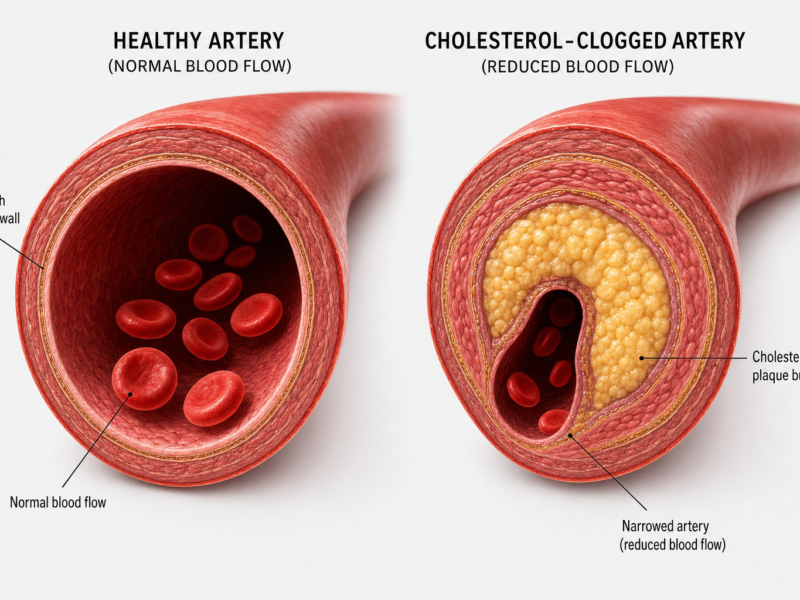


 Emma Thornton