 Ashley
This article is for informational purposes only and does not constitute medical advice. Always consult a qualified healthcare professional about persistent or concerning digestive symptoms.
Why Bloating Happens So Often
If you’ve ever finished a meal feeling fine and found yourself unbuttoning your waistband an hour later, you’re not imagining things — and you’re definitely not alone. Bloating is one of the most common digestive complaints in the world, affecting an estimated 10–30% of the general population on a regular basis.
But here’s what most people don’t realise: bloating is a symptom, not a diagnosis. It’s your gut’s way of telling you that something in the digestive process isn’t running smoothly. Sometimes the cause is obvious — a particularly rich meal, a new food, or a stressful week. Other times it’s more persistent and harder to pin down.
Understanding the connection between gut health and bloating is the first step toward actually fixing it. This guide covers the most common causes, practical strategies for fast relief, and the longer-term habits that can help prevent bloating from becoming a daily problem.
Common Causes of Bloating
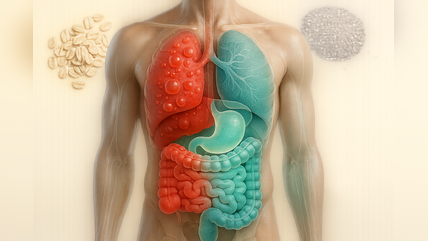
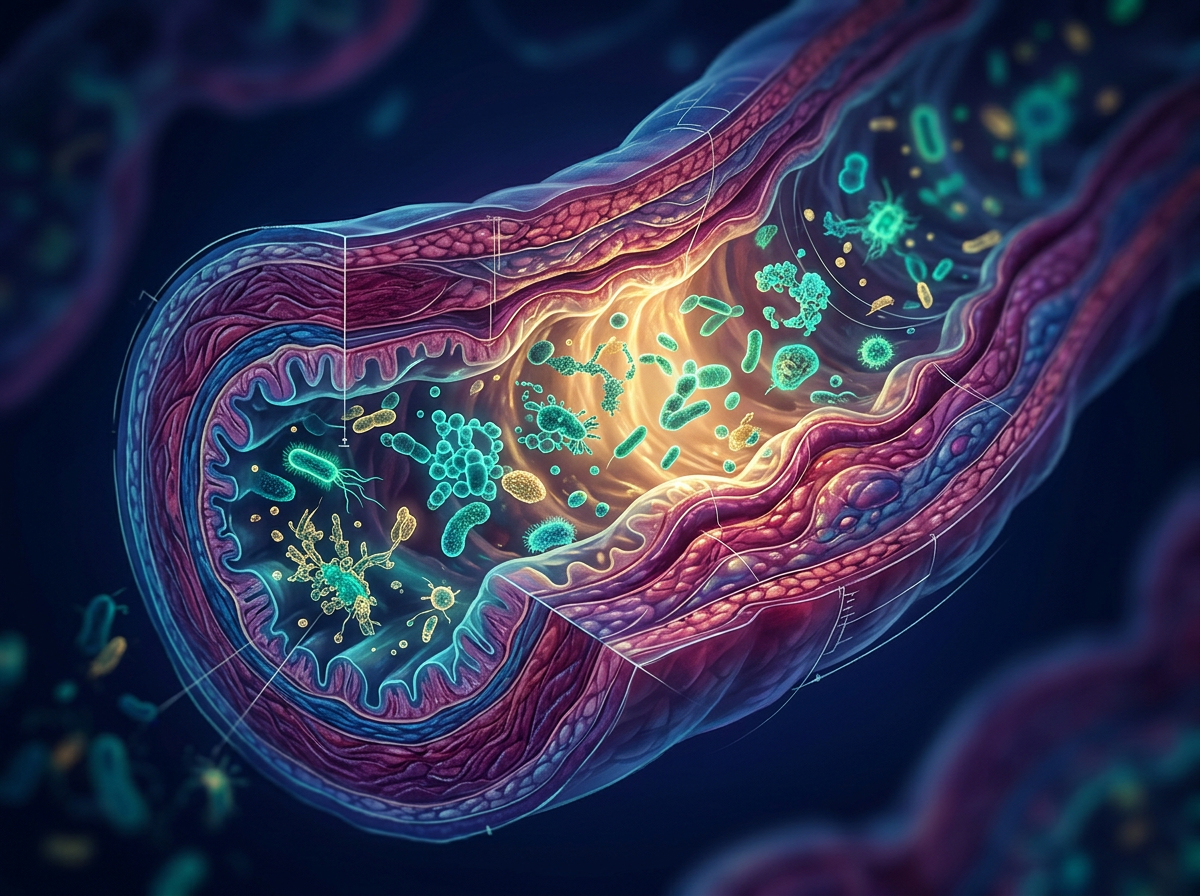
Bloating happens when gas or fluid accumulates in the digestive tract, causing the abdomen to feel full, tight, or visibly distended. The gas itself is a normal by-product of digestion — bacteria in your large intestine ferment undigested food and produce gas as a result. The problem isn’t the gas; it’s when there’s too much of it, when it moves too slowly, or when the gut is hypersensitive to normal amounts.
Food Triggers and Intolerances
Food is the most common bloating trigger, and the tricky part is that what causes bloating in one person may be completely fine for another. That said, some foods are reliably gassy for most people:
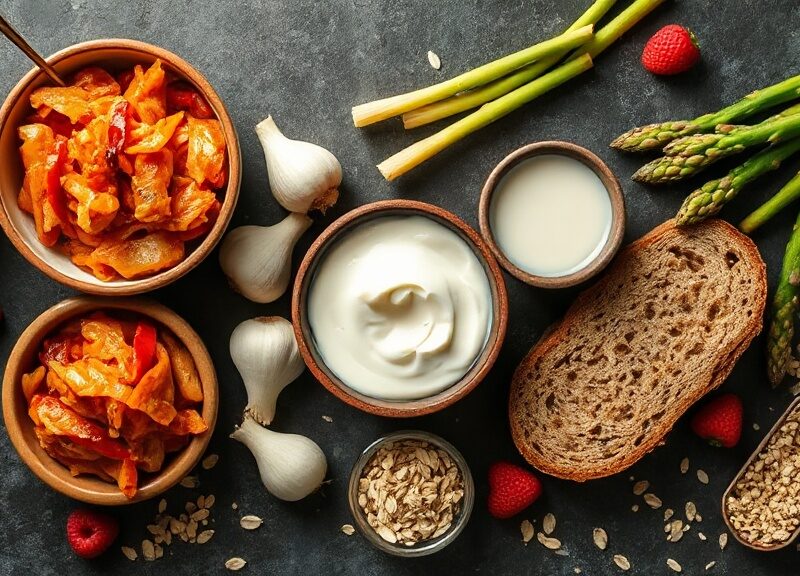
- High-FODMAP foods — a group of fermentable carbohydrates that are poorly absorbed in the small intestine and rapidly fermented by gut bacteria. Onions, garlic, wheat, certain legumes, apples, and some dairy products are classic examples. For people with IBS or sensitive guts, these can cause significant bloating.
- Lactose — the natural sugar in dairy products. People who don’t produce enough lactase enzyme (which breaks lactose down) experience bloating, gas, and discomfort after dairy consumption. This is extremely common and often develops in adulthood.
- Fructose — found in fruit, honey, and high-fructose corn syrup. Some people absorb fructose poorly, leading to fermentation and bloating.
- Cruciferous vegetables — broccoli, cauliflower, cabbage, and Brussels sprouts are highly nutritious but also high in raffinose, a complex sugar that produces gas during fermentation. Cooking them well tends to reduce the effect.
- Sugar alcohols — xylitol, sorbitol, mannitol, and erythritol are common in sugar-free products and chewing gum. They’re poorly absorbed and highly fermentable.
True food intolerances — where the gut consistently reacts badly to a specific food — are best identified through a structured elimination approach guided by a dietitian, rather than self-diagnosing and removing entire food groups unnecessarily.
Constipation and Slow Motility
When stool moves through the digestive tract too slowly, it sits in the colon longer, fermenting and producing more gas. This is one of the most overlooked causes of chronic bloating — people focus on what they’re eating without realising that their bowel transit time is the real issue.
If you’re bloated and also experiencing infrequent bowel movements, straining, or hard stools, constipation is likely a contributing factor. The fix isn’t complicated — more fiber (particularly soluble fiber like psyllium husk), more water, and more movement — but it does require consistency.
Some people have a condition called slow-transit constipation, where the muscles of the colon don’t contract efficiently. This often needs medical evaluation rather than simple dietary changes.
Stress, Swallowing Air, and Eating Habits
Your gut and your brain are in constant two-way communication via the gut-brain axis. When you’re anxious or stressed, your digestive system knows about it — motility can slow down or speed up unpredictably, gut sensitivity increases (meaning normal amounts of gas feel painful), and the composition of your gut microbiome can shift.
Eating habits also matter more than most people realise. Eating too quickly causes you to swallow excess air — a condition called aerophagia — which contributes directly to bloating and belching. Talking while eating, eating on the run, and drinking through straws all make this worse.
Carbonated drinks introduce gas directly into the digestive tract. Some people can handle them fine; others find that even a single glass of sparkling water causes noticeable bloating.
Fast Ways to Reduce Bloating
When bloating hits and you need relief now, these are the strategies with the best evidence and the fastest action:
Gentle Movement and Walking
This is probably the single most effective immediate intervention for bloating. A 10–15 minute gentle walk after a meal stimulates gut motility — it literally helps move gas through your digestive system more efficiently. You don’t need to power-walk or exercise intensely; a slow, steady stroll is enough.
Gentle yoga poses can also help — specifically those that involve twisting or compressing the abdomen, like wind-relieving pose (apanasana), seated twists, and child’s pose. These positions can physically help move trapped gas through the colon.
Hydration and Simple Meal Adjustments
Counterintuitively, drinking water when bloated is helpful — dehydration slows gut motility and makes constipation worse, which compounds bloating. Warm water or herbal teas (peppermint, ginger, and fennel have the most evidence for digestive comfort) can be particularly soothing.
Peppermint works by relaxing the smooth muscle of the intestinal wall, reducing spasms that can trap gas. Ginger has anti-inflammatory effects and has been shown in several small trials to speed gastric emptying. Fennel seeds — chewed whole or as a tea — have traditional use for gas relief with some supporting evidence.
From a meal perspective, eating smaller portions more slowly gives your digestive system a manageable workload. Overeating is one of the most reliable routes to bloating — the stomach physically distends when overfull, and a large meal takes considerably longer to empty into the small intestine.
Over-the-Counter Options and When to Use Them
A few OTC options have reasonable evidence for bloating relief:
- Simethicone (e.g., Gas-X, Infacol) — an anti-foaming agent that helps gas bubbles coalesce so they can be passed more easily. Works well for gas-related bloating; less effective for bloating caused by constipation or motility issues.
- Activated charcoal — sometimes used for gas relief, though evidence is mixed. Can interfere with medication absorption if taken too close to other drugs.
- Lactase supplements — for people with lactose intolerance, taking a lactase enzyme supplement with dairy can significantly reduce symptoms.
- Digestive enzymes — products containing alpha-galactosidase (e.g., Beano) can help break down the complex carbohydrates in legumes and cruciferous vegetables before they reach the large intestine.
These are tools for occasional use, not long-term solutions. If you’re relying on OTC remedies regularly, that’s a signal to investigate the underlying cause.
How to Prevent Bloating Long Term
Short-term relief is useful, but the real goal is getting to a place where bloating isn’t a regular feature of your daily life. That requires addressing the root cause rather than just managing the symptom.
The most effective long-term prevention strategies include:
- Build gut microbiome diversity. A diverse microbiome is more resilient and more efficient at processing food. Eating 30+ different plant foods per week — as described in our gut health foods guide — is one of the most evidence-backed ways to improve microbial diversity over time.
- Increase fiber gradually. Suddenly eating much more fiber than your gut is used to will cause bloating — this is normal and temporary, but it puts people off. Increase fiber slowly over several weeks, drink plenty of water, and give your microbiome time to adapt.
- Identify and manage trigger foods. Keep a food and symptom diary for two to four weeks. Patterns emerge — not just which foods, but how much, in what combinations, and at what times of day. This is far more useful than arbitrarily eliminating food groups.
- Address constipation proactively. If your bowel movements are infrequent or your transit time is slow, focus on fiber, hydration, and movement as a consistent daily practice rather than an occasional intervention.
- Manage stress systematically. If stress reliably triggers your gut symptoms, stress management isn’t optional — it’s a core part of your gut health strategy. Daily habits like breathing exercises, walking, and adequate sleep all reduce the cortisol load on your gut over time. Read more about the connection in our gut health tips guide.
- Consider a low-FODMAP trial for IBS. If you have diagnosed or suspected IBS and bloating is a persistent problem, a low-FODMAP elimination diet — ideally guided by a registered dietitian — has the strongest evidence base of any dietary intervention for IBS-related bloating.
Frequently Asked Questions About Bloating
What’s the most common cause of bloating?
The most common causes are eating too quickly (swallowing air), eating large portions, high-FODMAP foods in sensitive individuals, constipation, and functional gut conditions like IBS. In most cases, bloating has a dietary or behavioural cause rather than a structural one.
Does bloating mean poor gut health?
Not necessarily. Occasional bloating after a large or particularly rich meal is completely normal. Bloating becomes a gut health concern when it’s frequent, severe, not related to obvious food triggers, or accompanied by other symptoms like pain, altered bowel habits, or fatigue. In those cases, it can indicate dysbiosis, slow motility, or an underlying condition worth investigating.
How do I know if my bloating is serious?
See a doctor if your bloating is accompanied by unintentional weight loss, blood in your stool, persistent abdominal pain, difficulty swallowing, vomiting, or if it’s new and severe after age 50. These are red flags that warrant proper medical evaluation rather than dietary self-management.
Which foods help most with bloating?
Ginger, peppermint, and fennel have the most evidence for soothing digestive discomfort. Low-FODMAP fruits and vegetables (bananas, blueberries, carrots, courgette, spinach) tend to be well-tolerated. Kiwifruit has emerging evidence for improving constipation-related bloating — two kiwis per day showed meaningful results in several trials. Adequate water intake supports motility and reduces constipation-related bloating.
Can I improve gut health and reduce bloating just by changing my diet?
For many people, yes — dietary changes are the most impactful lever. But lifestyle factors (sleep, stress, movement) also matter significantly, and some people need additional investigation or treatment for underlying conditions. Diet is the foundation; it’s rarely the only piece of the puzzle. For a complete picture of what supports gut health, see our complete gut health guide.
How long does bloating take to improve?
For bloating caused by a specific food trigger, relief can come within hours of avoiding that food. For bloating related to dysbiosis, constipation, or lifestyle factors, meaningful improvement typically takes 4–8 weeks of consistent dietary and habit changes. The gut responds to consistency over time — not dramatic short-term interventions.
When Bloating Needs Medical Attention
Most bloating is benign and manageable with the strategies above. But there are situations where bloating is a signal of something that needs proper medical evaluation:
- Bloating that is new, severe, or rapidly worsening
- Bloating accompanied by blood in your stool (red or black/tarry)
- Unexplained weight loss alongside bloating
- Severe or persistent abdominal pain
- Bloating with difficulty swallowing or persistent vomiting
- New bloating after age 50, particularly in women (ovarian cancer can present with bloating as an early symptom)
- Bloating that wakes you from sleep
These symptoms don’t necessarily mean something serious is wrong — but they warrant a GP visit and proper investigation. Self-treating with dietary changes when these symptoms are present is not the right approach.
For most people, the combination of identifying food triggers, supporting gut microbiome diversity, managing stress, staying hydrated, and moving regularly will make a meaningful difference to bloating over time. Start with one change, give it a few weeks, and build from there.
Medical Disclaimer: The information in this article is for general educational purposes only and does not constitute medical advice. If you have persistent, severe, or concerning digestive symptoms, please consult a qualified healthcare professional.
Related Reading:
Gut Health: The Complete 2026 Guide
Gut Health Foods: The Best Foods for Digestion
Gut Health Supplements: What Works and What Doesn’t
Gut Health Tips: Simple Daily Habits

 Ashley