 James Holloway
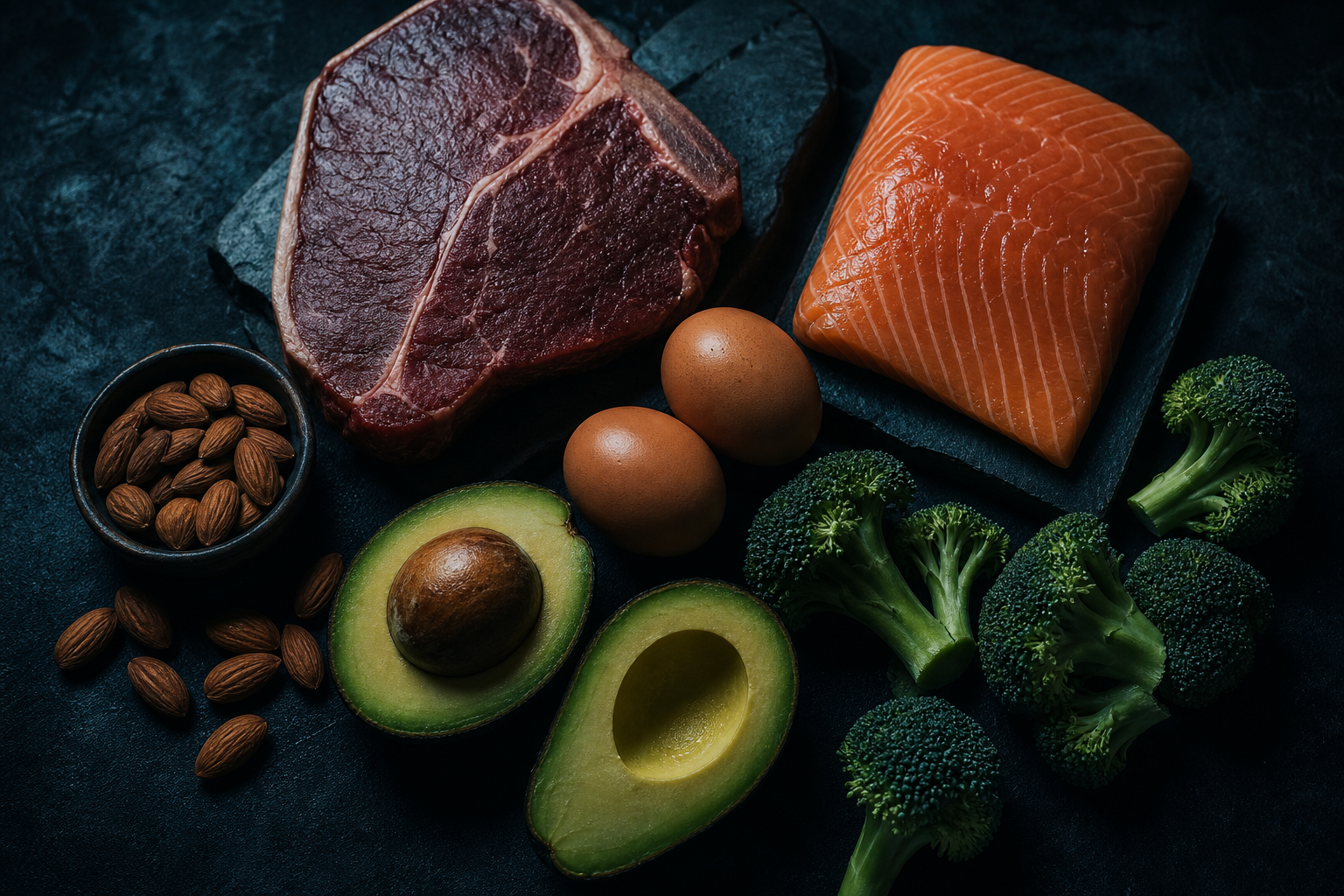
The paleo diet — built around the foods available to our hunter-gatherer ancestors — strips away grains, legumes, dairy, and processed foods in favour of meat, fish, eggs, vegetables, fruit, nuts, and seeds. It’s one of the most studied dietary approaches for weight loss, blood sugar control, and inflammation reduction. This 7-day meal plan gives you a practical, beginner-friendly framework to start immediately.
What Is the Paleo Diet?
The paleo diet is based on the premise that the human body is optimally adapted to the foods our pre-agricultural ancestors ate — before grains, legumes, and dairy became dietary staples approximately 10,000 years ago. Advocates argue that the mismatch between modern processed food environments and our evolved biology underlies much of modern chronic disease. Whether or not the evolutionary argument holds in every detail, the practical result of a paleo diet — eliminating ultra-processed foods, refined grains, and added sugar while emphasising protein, fibre, and whole foods — is well-supported by current nutrition research.
Paleo Foods: What to Eat and Avoid
✅ Eat Freely
- Meat and poultry: beef, lamb, pork, chicken, turkey, venison — grass-fed where possible
- Fish and seafood: salmon, trout, tuna, cod, sardines, shrimp — wild-caught preferred
- Eggs: all preparations; pasture-raised if available
- Vegetables: all non-starchy vegetables — spinach, kale, broccoli, cauliflower, zucchini, bell peppers, asparagus, tomatoes, onions, garlic
- Fruit: berries, apples, citrus, avocado, banana (in moderation)
- Nuts and seeds: almonds, walnuts, pecans, macadamia, pumpkin seeds, sunflower seeds, flaxseeds
- Healthy fats: extra virgin olive oil, coconut oil, avocado oil, ghee (some paleo versions allow)
- Starchy vegetables (in moderation): sweet potato, yam, butternut squash
- Herbs and spices: all — use liberally
❌ Avoid
- Grains: wheat, rice, oats, corn, barley, quinoa, bread, pasta
- Legumes: beans, lentils, chickpeas, soy, peanuts
- Dairy: milk, cheese, yoghurt, butter (some versions allow ghee)
- Refined sugar: all added sugars, soft drinks, sweets, pastries
- Ultra-processed foods: anything with ingredients you wouldn’t find in a kitchen
- Industrial seed oils: soybean oil, canola oil, sunflower oil, corn oil
- Artificial sweeteners and additives
7-Day Paleo Meal Plan
Day 1
- Breakfast: 3 scrambled eggs with spinach and avocado, side of berries
- Lunch: Grilled chicken breast over mixed greens with olive oil and lemon dressing, cucumber and tomato
- Dinner: Baked salmon with roasted broccoli and sweet potato
- Snack: Handful of almonds and an apple
Day 2
- Breakfast: Bacon (nitrate-free) and eggs with sautéed mushrooms and tomatoes
- Lunch: Tuna salad (canned tuna, avocado, celery, lemon) served in lettuce wraps
- Dinner: Baked cod with asparagus and olive oil, side salad
- Snack: Walnuts and blueberries
Day 3
- Breakfast: Green smoothie — coconut milk, spinach, banana, almond butter, ice
- Lunch: Leftover cod over salad greens with olive oil
- Dinner: Beef stir-fry with broccoli, bell peppers, snap peas, coconut aminos (paleo soy sauce alternative)
- Snack: Hard-boiled egg and carrot sticks
Day 4
- Breakfast: 3 eggs any style, fresh fruit, handful of mixed nuts
- Lunch: Chicken and vegetable soup (homemade, no grains)
- Dinner: Pork tenderloin with roasted Brussels sprouts and mashed sweet potato
- Snack: Avocado with sea salt
Day 5
- Breakfast: Veggie omelette — eggs, bell pepper, onion, spinach, cooked in coconut oil
- Lunch: Large chicken Caesar salad (no croutons, no parmesan, paleo Caesar dressing with anchovies and olive oil)
- Dinner: Grass-fed steak with roasted asparagus and side salad
- Snack: Apple slices with almond butter
Day 6
- Breakfast: Bacon and eggs with sautéed kale
- Lunch: Leftover steak sliced over salad greens with avocado
- Dinner: Baked salmon with roasted cauliflower and garlic, drizzled with olive oil
- Snack: Pumpkin seeds and an orange
Day 7
- Breakfast: Egg and vegetable scramble with sweet potato hash
- Lunch: Turkey lettuce wraps with avocado, tomato, and mustard
- Dinner: Grilled chicken thighs with roasted mixed vegetables and side salad
- Snack: Handful of macadamia nuts and berries
Does the Paleo Diet Work for Weight Loss?
Multiple RCTs confirm the paleo diet produces significant weight loss compared to conventional dietary advice. The primary mechanisms: it’s naturally high in protein (the most satiating macronutrient), eliminates ultra-processed foods that drive overconsumption, and eliminates refined carbohydrates that spike insulin and drive fat storage. Studies also show paleo diets reduce waist circumference, improve blood sugar control, lower triglycerides, and reduce blood pressure — independent of caloric restriction.
Paleo Diet Tips for Beginners
- Meal prep on Sunday: cook a large batch of protein (roast chicken, grilled beef) and roasted vegetables — builds the week’s lunches in 1 hour
- Keep eggs stocked: the ultimate paleo convenience food — fast, nutrient-dense, complete protein
- Coconut aminos: the essential paleo pantry swap for soy sauce — same umami flavour, entirely paleo-compliant
- Don’t fear fat: olive oil, avocado, nuts, and coconut oil are central to satiety and flavour on paleo — don’t skimp
- Stay hydrated: water, sparkling water, black coffee, and herbal teas are all paleo-compliant beverages
Frequently Asked Questions
On a paleo diet you eat meat, poultry, fish, seafood, eggs, vegetables (all types), fruit, nuts, seeds, and healthy fats like olive oil, coconut oil, and avocado. You avoid grains, legumes, dairy, refined sugar, and ultra-processed foods. Sweet potatoes, plantains, and other starchy vegetables are allowed in moderation as carbohydrate sources.
Yes — multiple RCTs confirm the paleo diet produces significant weight loss, particularly abdominal fat loss. Its high protein content maximises satiety, eliminating ultra-processed foods removes the primary drivers of overconsumption, and removing refined carbohydrates improves insulin sensitivity and shifts the body toward fat burning. Most people lose weight on paleo without counting calories.
Traditional paleo excludes all grains including rice. However, some modern paleo variations (sometimes called “primal”) allow white rice occasionally as a low-toxin starch. If weight loss is your primary goal, avoiding rice during the first 30 days produces the most dramatic results. After establishing the diet, some people reintroduce white rice without issue.
Most people notice significant improvements in energy, bloating, and blood sugar within the first 1–2 weeks as processed carbohydrates and inflammatory foods are removed. Weight loss of 1–2kg in the first week is common (mostly water and glycogen initially). Sustained fat loss of 0.5–1kg per week typically follows. Blood markers — triglycerides, fasting glucose — often improve within 4–8 weeks.
This article is for informational purposes only. Consult a healthcare provider or registered dietitian before making significant dietary changes, particularly if you have a pre-existing health condition.


 Dr. Rachel Stone
 Elena Voss
 Rachel Summers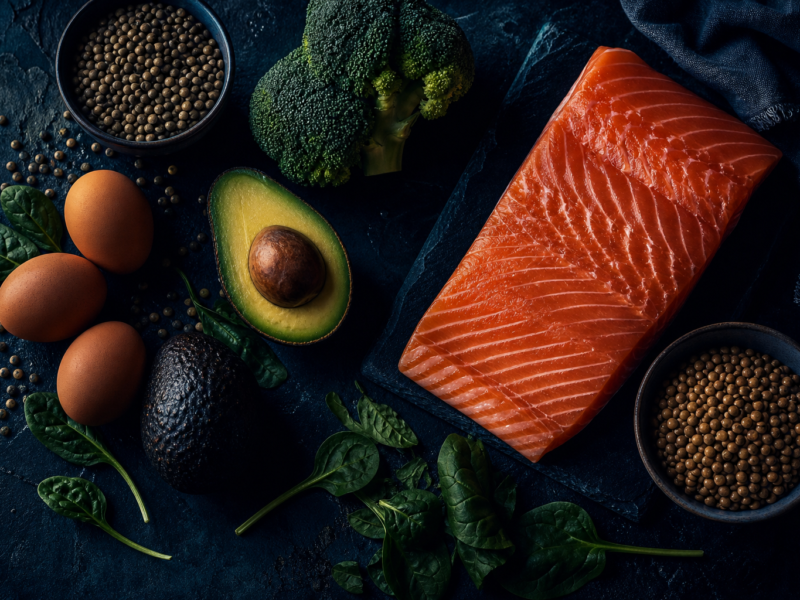
 Dr. Maya Chen