 James Hargreaves
Why Breakfast Matters for Blood Sugar
Breakfast sets the metabolic tone for your entire day. After 8–12 hours of overnight fasting, your blood sugar is at its lowest point and your insulin sensitivity is at its peak — making the morning the most important window for making smart food choices. A blood-sugar-spiking breakfast (sugary cereal, pastries, fruit juice, or white toast) causes a steep glucose rise followed by a crash that leaves you fatigued, hungry, and craving more sugar by mid-morning. A blood-sugar-stable breakfast, by contrast, provides sustained energy, better focus, and fewer cravings right through to lunch. For a full overview of how blood sugar works throughout the day, see our complete blood sugar guide.
What Makes a Blood-Sugar-Friendly Breakfast
The three pillars of a blood-sugar-stable breakfast are protein, fiber, and healthy fats. Together, they slow digestion, blunt glucose absorption, and keep you full and focused for hours.
Protein
Protein is the most important component of a blood-sugar-friendly breakfast. It has minimal impact on blood glucose, slows the absorption of any carbohydrates you eat alongside it, stimulates satiety hormones, and preserves muscle mass. Aim for at least 20–30 grams of protein at breakfast. Great sources include eggs, Greek yogurt, cottage cheese, smoked salmon, turkey, tofu, and protein-rich legumes.
Fiber
Fiber slows gastric emptying and glucose absorption, significantly reducing post-meal blood sugar spikes. High-fiber breakfast options include oats (especially steel-cut or rolled), chia seeds, flaxseeds, vegetables, berries, and whole grain bread. Aim for at least 5–8 grams of fiber at breakfast.
Healthy Fats
Adding healthy fats — avocado, nuts, nut butter, or olive oil — to breakfast further slows glucose absorption and provides long-lasting energy without impacting blood sugar directly. Fat also enhances the absorption of fat-soluble vitamins present in vegetables and eggs.
Best Breakfast Ideas for Blood Sugar
The best breakfasts combine at least two of the three pillars above. Here are practical, delicious options that work in the real world.
Savory Breakfasts
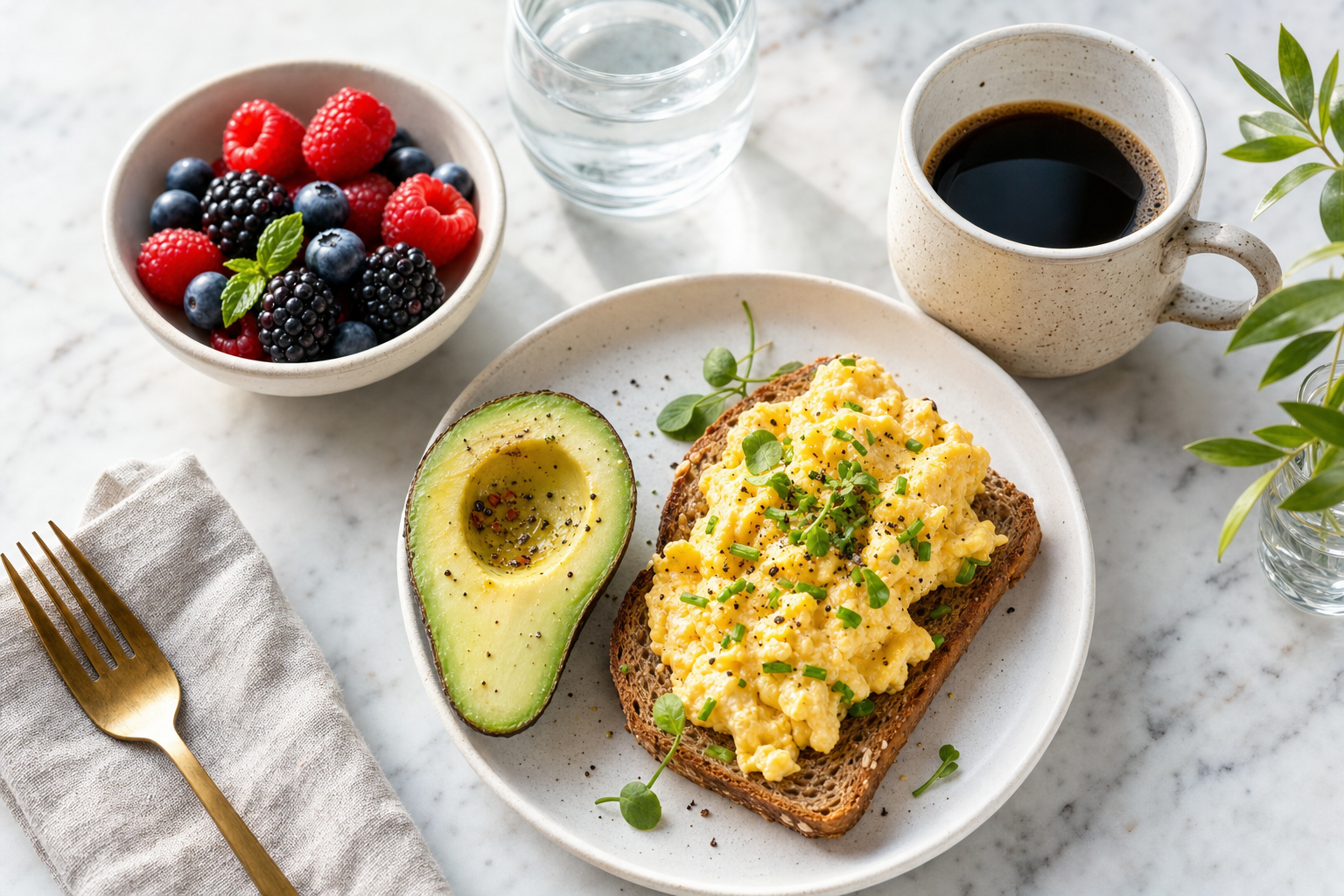
Scrambled eggs with sautéed spinach, cherry tomatoes, and a slice of whole grain toast. Smoked salmon with avocado on rye crispbreads. A vegetable omelette with feta cheese. Greek yogurt with cucumber and a drizzle of olive oil (Middle Eastern style). Turkey and avocado on whole grain toast. These options are all high in protein, moderate in fiber, and low in refined carbohydrates.
Sweet but Balanced Breakfasts
Greek yogurt (full fat or 2%) with mixed berries and a tablespoon of chia seeds. Overnight oats made with rolled oats, unsweetened almond milk, a scoop of protein powder, and fresh blueberries. A smoothie made with spinach, half a banana, protein powder, flaxseed, and unsweetened almond milk — blended rather than juiced to preserve the fiber. Cottage cheese topped with sliced peaches and a sprinkle of cinnamon. These options satisfy a sweet tooth while keeping glucose response gentle and sustained.
Breakfast Foods That Can Spike Blood Sugar
Avoid starting your day with these high-glycemic options: fruit juice (even 100% juice), sugary cereals, pastries and muffins, white bread toast with jam, flavored yogurts high in added sugar, instant oatmeal with added sugar, and granola bars. These foods cause rapid glucose spikes that lead to energy crashes, increased hunger, and stronger cravings for the rest of the day. To understand why reactive hypoglycemia happens after these foods, see our guide to low blood sugar and crashes.
FAQ
What is the best breakfast for blood sugar?
A breakfast high in protein (20+ grams), moderate in fiber (5+ grams), and containing healthy fat. Examples: eggs with vegetables, Greek yogurt with berries and seeds, or smoked salmon on rye.
Is oatmeal good for blood sugar?
Steel-cut or rolled oats are a reasonable choice when paired with protein and healthy fat. Instant oatmeal with added sugar is not — it has a high glycemic index and very little fiber by comparison.
Are eggs good for blood sugar control?
Eggs are an excellent blood-sugar-friendly breakfast food. They’re high in protein, contain no carbohydrates, and have been shown to improve satiety and reduce post-meal glucose when eaten in the morning.
What should I avoid for breakfast?
Fruit juice, sugary cereals, white toast, pastries, flavored yogurts with added sugar, and instant oatmeal with sweeteners are the main foods to avoid.
Should I eat breakfast if I’m managing blood sugar?
For most people, eating a blood-sugar-friendly breakfast leads to better glucose control throughout the day. Skipping breakfast can cause blood sugar to be erratic and lead to overeating later.
What’s the worst breakfast for blood sugar?
A bowl of sugary cereal with low-fat milk and a glass of orange juice — this combination delivers a rapid glucose spike with virtually no protein, fiber, or fat to slow it down.
3-Day Blood Sugar Breakfast Plan
Day 1: 2 scrambled eggs + sautéed spinach + 1 slice whole grain toast + black coffee or herbal tea.
Day 2: Full-fat Greek yogurt (200g) + mixed berries + 1 tbsp chia seeds + a small handful of walnuts.
Day 3: Overnight oats (½ cup rolled oats + unsweetened almond milk + 1 scoop protein powder + blueberries + 1 tsp cinnamon), prepared the night before.


 Emma Thornton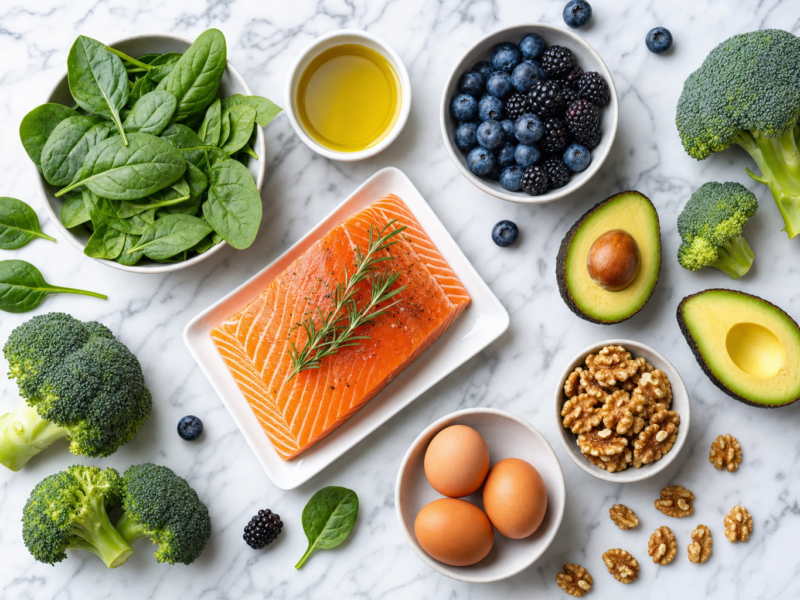
 James Hargreaves
 Sarah Mitchell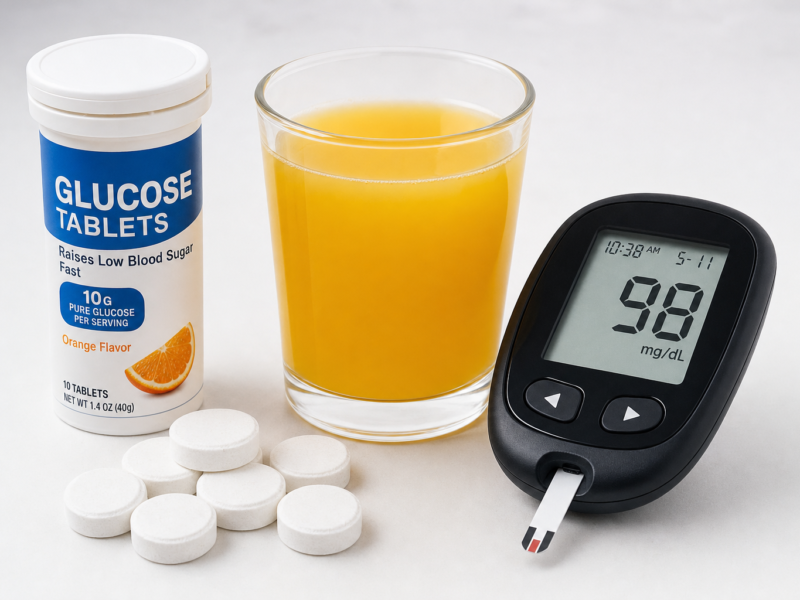
 Ashley

 Rachel Summers