 Sarah Mitchell
What Insulin Resistance Means
Insulin resistance is a condition in which your body’s cells stop responding effectively to insulin — the hormone responsible for moving glucose from your bloodstream into your cells for energy. When cells become resistant, the pancreas compensates by producing more and more insulin to get the job done. Over time, this leads to chronically elevated insulin levels, progressively higher blood sugar, and eventually prediabetes or type 2 diabetes if left unaddressed. For a full overview of how insulin and blood sugar interact, see our complete blood sugar guide.
Insulin resistance is extremely common — estimates suggest that roughly 40% of adults in Western countries have some degree of it, often without knowing. It is one of the central drivers of metabolic syndrome, obesity, type 2 diabetes, and cardiovascular disease.
Signs and Risk Factors
Insulin resistance often develops silently, without obvious symptoms in the early stages. However, there are telltale signs that it may be developing.
Weight Gain and Belly Fat
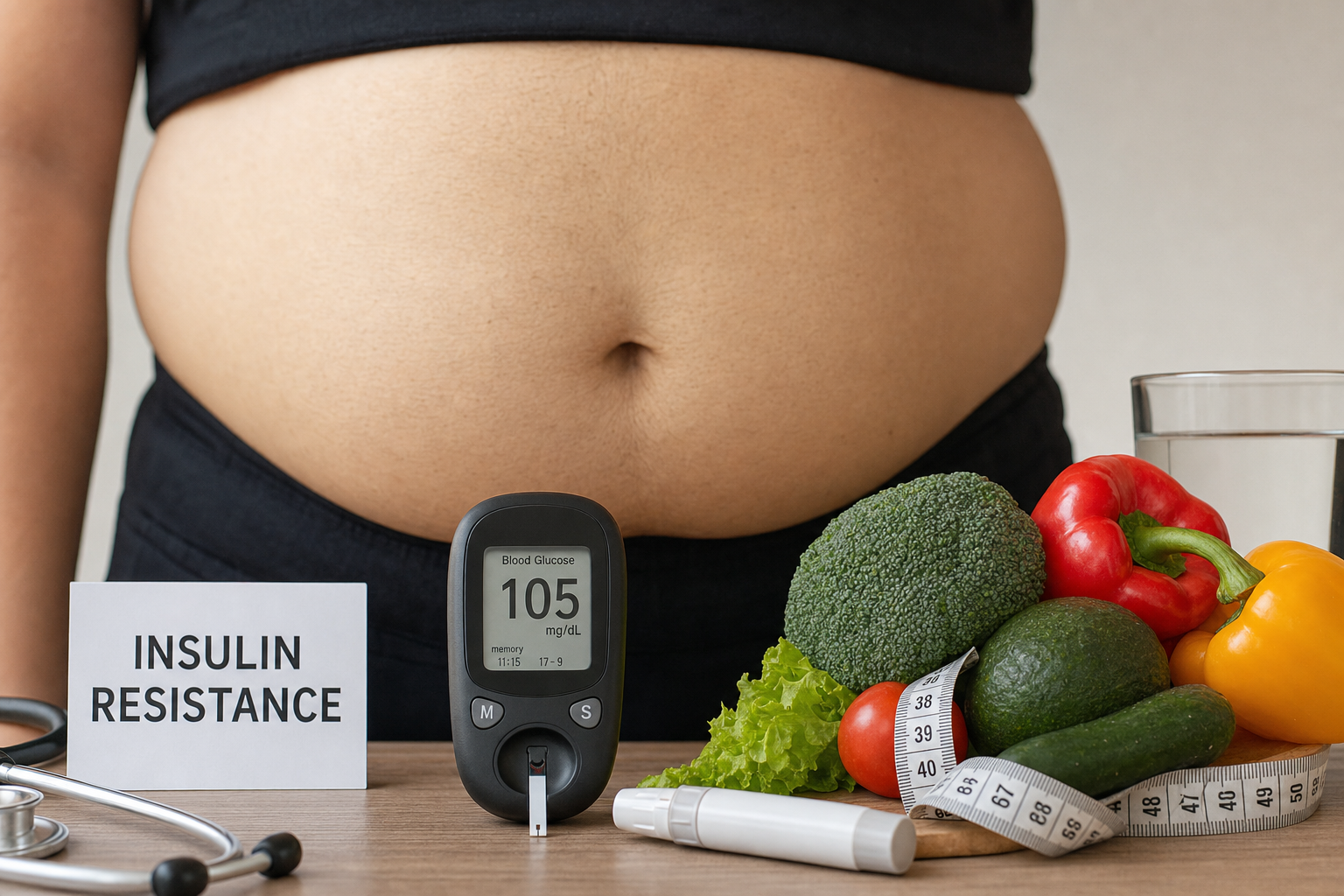
Chronically high insulin promotes fat storage — especially visceral fat around the abdomen. A waist circumference above 35 inches (89cm) for women or 40 inches (102cm) for men is a significant risk indicator. This belly fat then worsens insulin resistance, creating a self-reinforcing cycle. This connection between insulin resistance and fat storage is explored in depth in our guide to blood sugar and weight loss.
Fatigue and Cravings
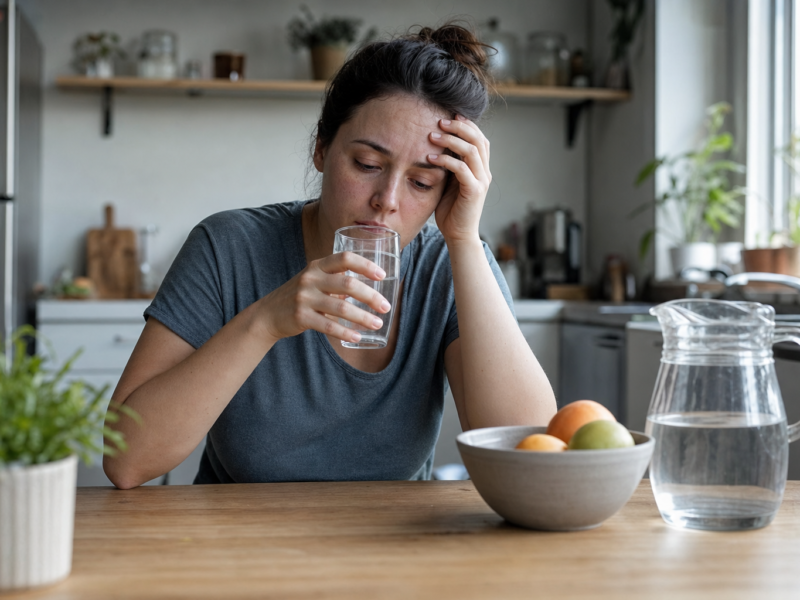
When cells can’t efficiently absorb glucose, you feel persistently tired despite eating — your body has fuel but can’t access it properly. This also drives intense carbohydrate and sugar cravings as your brain tries to get more glucose into the system. The cycle of spikes and crashes that follows reinforces fatigue and cravings further.
High Blood Sugar and A1c
Elevated fasting blood sugar (above 100 mg/dL) or an HbA1c above 5.7% in the context of other risk factors suggests insulin resistance may already be impairing glucose regulation. See our guide to high blood sugar causes and risks for more detail.
What Causes Insulin Resistance
Insulin resistance is a lifestyle disease in the vast majority of cases, driven by the combined effect of several modifiable factors.
Diet and Ultra-Processed Foods
Diets high in refined carbohydrates, added sugars, and ultra-processed foods chronically spike insulin, gradually desensitizing cells to its effects. Frequent consumption of sugary drinks, white bread, pastries, chips, and fast food are major contributors to insulin resistance at the population level.
Inactivity and Sedentary Behavior
Muscle is the body’s primary glucose disposal organ. When muscles are inactive, their ability to absorb glucose declines. Regular physical activity — especially resistance training — dramatically improves the ability of muscle cells to respond to insulin. Extended sitting (more than 8 hours per day) worsens insulin sensitivity even in people who exercise regularly.
Sleep and Stress
Even a single night of poor sleep can measurably reduce insulin sensitivity the next day. Chronic sleep deprivation and high cortisol from ongoing stress both contribute significantly to the development of insulin resistance over time.
How to Improve Insulin Sensitivity
The good news is that insulin resistance is highly reversible with the right interventions. Many people can dramatically improve their insulin sensitivity within weeks.
Exercise More
Resistance training builds muscle mass, which increases the body’s capacity to absorb and store glucose. Aerobic exercise improves insulin sensitivity acutely and long-term. A combination of both is ideal. See our blood sugar and exercise guide for the most effective workout types for glucose control.
Eat More Fiber and Protein
Fiber slows glucose absorption and feeds beneficial gut bacteria that influence insulin sensitivity. Protein promotes satiety, preserves muscle mass, and has a minimal effect on blood sugar. Reducing refined carbohydrates and replacing them with vegetables, legumes, lean proteins, and healthy fats is one of the fastest ways to improve insulin sensitivity. Our guide to blood sugar-friendly foods covers the best dietary choices in detail.
Improve Sleep
Prioritizing 7–9 hours of quality sleep per night is one of the most underrated tools for improving insulin sensitivity. Consistent sleep timing, a dark cool bedroom, and reducing screen exposure before bed all make a meaningful difference.
FAQ
What is insulin resistance?
A condition where your cells stop responding effectively to insulin, causing the pancreas to produce more insulin and blood sugar to rise progressively over time.
What causes insulin resistance?
A diet high in refined carbs and ultra-processed foods, physical inactivity, poor sleep, chronic stress, and excess body fat are the primary drivers.
What are the signs of insulin resistance?
Belly fat accumulation, persistent fatigue, carb cravings, elevated fasting blood sugar, and high triglycerides are common indicators.
Can insulin resistance be reversed?
Yes. For most people, insulin resistance is fully reversible through dietary changes, regular exercise, weight loss, improved sleep, and stress management.
How does exercise help insulin resistance?
Exercise increases muscle glucose uptake directly, independent of insulin, and improves insulin receptor sensitivity both acutely and over the long term.
Does sleep affect insulin sensitivity?
Significantly. Even one night of poor sleep can reduce insulin sensitivity by 20–30% the following day. Chronic sleep deprivation is a major driver of metabolic dysfunction.
7-Day Insulin Sensitivity Reset
Day 1: Replace refined carbs with vegetables and legumes at every meal. Day 2: Add a 20-minute strength training session. Day 3: Walk for 10 minutes after every meal. Day 4: Sleep 8 hours — set a firm bedtime. Day 5: Eliminate sugary drinks completely. Day 6: Add a 10-minute stress reduction practice (breathing, stretching, meditation). Day 7: Combine all habits. After one week, most people notice improved energy, fewer cravings, and more stable blood sugar throughout the day.

 Ashley
 Sarah Mitchell
 Daniel Brooks
 Emma Thornton