 Ashley
What Causes Low Blood Sugar
Low blood sugar — medically called hypoglycemia — occurs when blood glucose falls below 70 mg/dL (3.9 mmol/L). While it’s most commonly associated with diabetes medication, low blood sugar can affect anyone under the right conditions. Common causes include: skipping meals or going too long without eating, excessive alcohol consumption (especially without food), very intense exercise, certain medications, and — less commonly — an underlying condition like an insulinoma (a tumor of the pancreas that overproduces insulin). For a full overview of blood sugar ranges and regulation, see our complete blood sugar guide.
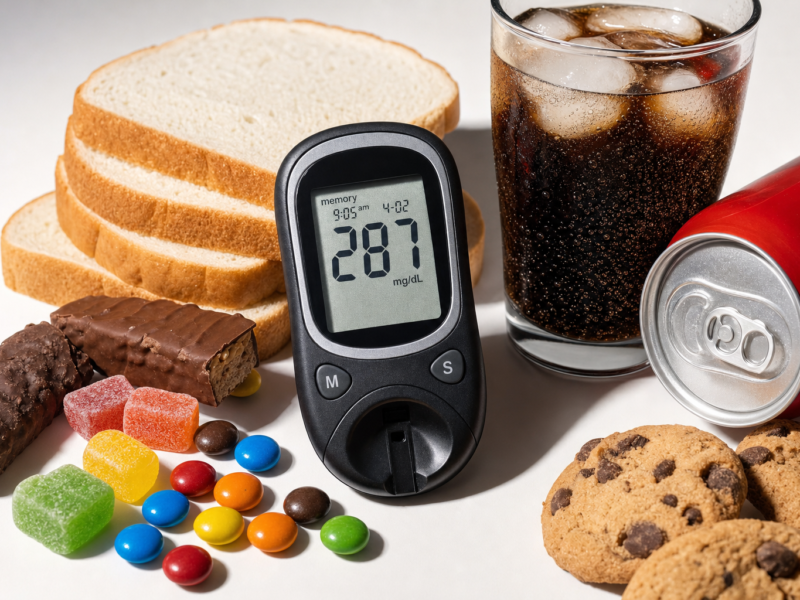
Reactive hypoglycemia — a blood sugar crash 2–4 hours after a high-carbohydrate meal — is another common experience, particularly after eating sugary foods or refined carbs. For context on the full spectrum of blood sugar symptoms, see our article on blood sugar warning signs.
Symptoms of Low Blood Sugar
The symptoms of low blood sugar reflect your body’s urgent demand for glucose — especially your brain, which can only run on glucose and stops functioning well very quickly when levels drop.
Mild Symptoms
When blood sugar first drops, you may notice shakiness or trembling, sudden sweating, rapid or pounding heartbeat, anxiety or nervousness, irritability or mood changes, intense sudden hunger, pale skin, and dizziness. These are early warning signs and the ideal time to treat — before symptoms worsen.
Severe Symptoms
If blood sugar continues to fall without treatment, symptoms escalate to confusion and difficulty thinking clearly, slurred speech, blurry or double vision, severe weakness, headache, seizures, and in extreme cases, loss of consciousness. Severe hypoglycemia requires emergency treatment and should never be ignored or waited out.
What to Do Right Away
The moment you recognize low blood sugar symptoms, act immediately — don’t wait to see if they pass on their own.
Fast-Acting Carbs
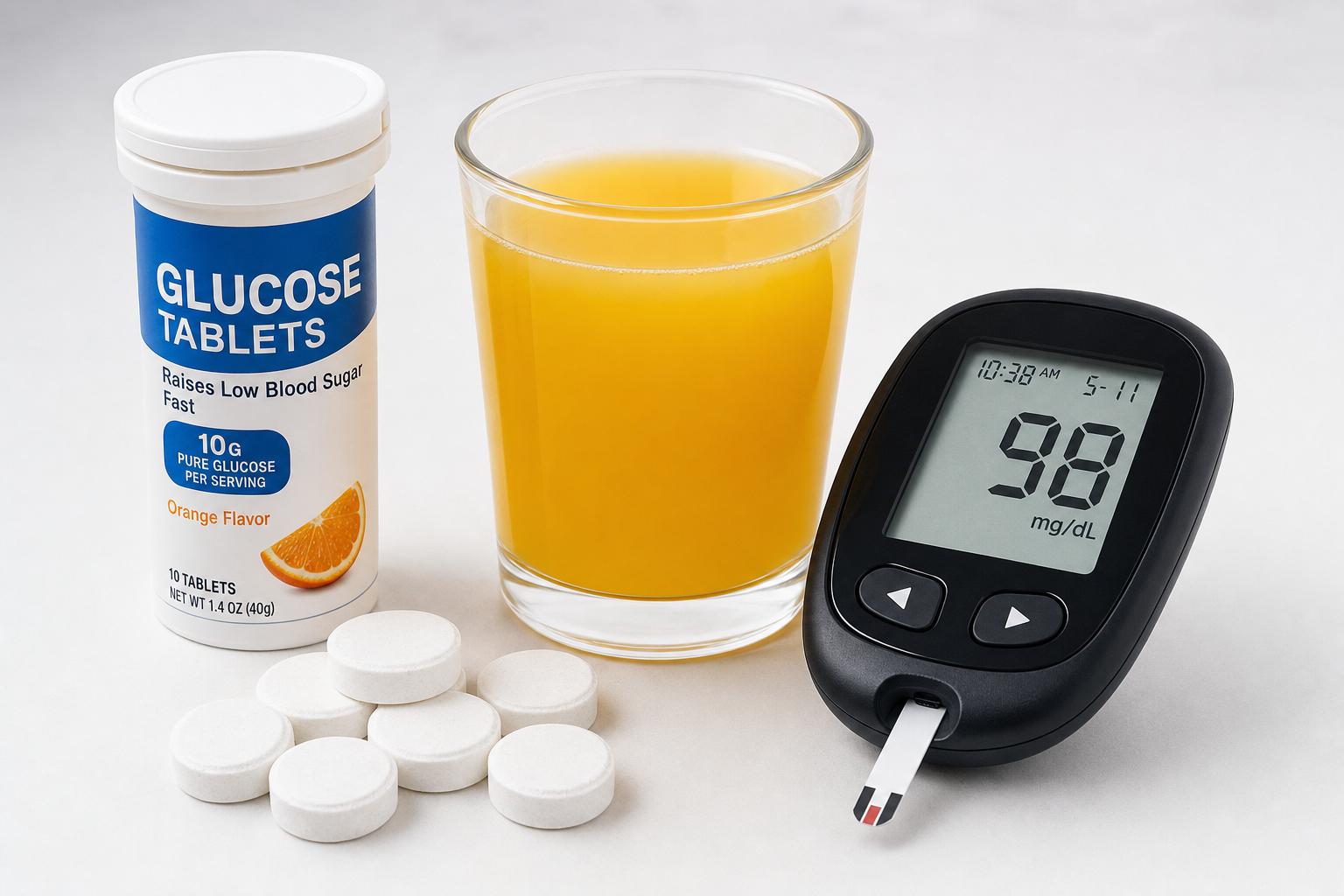
The fastest way to raise blood sugar is with 15–20 grams of fast-acting carbohydrates. Good options include: 4 glucose tablets, 150ml (½ cup) of fruit juice or regular soda (not diet), 1 tablespoon of honey or sugar, or a small handful of regular candy like gummy bears. Avoid high-fat foods like chocolate bars during a hypoglycemic episode — the fat slows sugar absorption and delays recovery.
When to Recheck
After treating with fast-acting carbs, wait 15 minutes and check your blood sugar again. If it’s still below 70 mg/dL, repeat the treatment. Once your blood sugar is back above 80–100 mg/dL and you’re feeling better, follow up with a small snack containing protein and complex carbohydrate — such as peanut butter on whole grain crackers — to stabilize levels and prevent a rebound drop. See our guide to the best foods for stable blood sugar for longer-term meal strategies.
How to Prevent Future Blood Sugar Crashes
Prevention is far better than treatment. The most effective strategies for avoiding hypoglycemia include: eating regular meals and snacks every 3–4 hours rather than skipping meals, always pairing carbohydrates with protein or fat to slow glucose absorption, avoiding excessive alcohol especially on an empty stomach, adjusting exercise timing and intensity if crashes happen after workouts, and carrying fast-acting glucose with you at all times if you’re prone to hypoglycemia. If crashes occur frequently without an obvious cause, speak with your doctor — testing may be warranted to rule out an underlying condition.
FAQ
What are low blood sugar symptoms?
Shakiness, sweating, rapid heartbeat, anxiety, sudden hunger, irritability, confusion, and in severe cases, seizures or loss of consciousness.
What should I eat if my blood sugar is low?
15–20 grams of fast-acting carbohydrates: glucose tablets, fruit juice, regular soda, honey, or candy. Follow up 15 minutes later and eat a protein-and-carb snack once stable.
How do I treat a blood sugar crash?
Use the 15-15 rule: consume 15 grams of fast-acting carbs, wait 15 minutes, recheck. Repeat if still below 70 mg/dL.
Why does blood sugar drop after eating?
Reactive hypoglycemia can occur when a high-sugar or high-refined-carb meal triggers an outsized insulin response that overshoots, driving blood sugar too low 2–4 hours later.
Can low blood sugar be dangerous?
Yes. Severe hypoglycemia can cause seizures, unconsciousness, and is a medical emergency. Mild to moderate episodes are uncomfortable but manageable with prompt treatment.
How do I prevent hypoglycemia?
Eat regular balanced meals, pair carbs with protein and fat, avoid skipping meals, limit alcohol, and carry fast-acting glucose if you’re at risk.
Simple Low Blood Sugar Emergency Checklist
✓ Recognize symptoms early (shaking, sweating, rapid heartbeat, hunger). ✓ Eat 15g of fast-acting carbs immediately. ✓ Wait 15 minutes, recheck blood sugar. ✓ If still low, repeat treatment. ✓ Once stable, eat a protein and carb snack. ✓ If unconscious or unable to swallow — call emergency services immediately. ✓ Review with your doctor why the episode occurred.


 Daniel Brooks
 Sarah Mitchell
 Rachel Summers