 Emma Thornton
What Causes Blood Sugar to Rise
Blood sugar rises whenever glucose enters your bloodstream faster than your body can use or store it. The most obvious trigger is eating carbohydrates, but blood sugar can also spike due to stress, poor sleep, illness, certain medications, and dehydration. Understanding your personal triggers is the first step toward managing them. For a full picture of how blood sugar works and what healthy levels look like, see our complete blood sugar guide.
The Most Effective Natural Ways to Lower Blood Sugar
You don’t need medication to make a significant difference in your blood sugar levels. These lifestyle strategies are backed by strong evidence and can produce meaningful results within days to weeks.
Walk After Meals
One of the most effective and underused tools for lowering blood sugar is a short walk immediately after eating. Research shows that even a 10-minute walk after a meal can reduce post-meal blood sugar by 20–30% by using glucose as fuel for your muscles. See our guide to walking after meals for blood sugar for a full breakdown.
Eat More Fiber and Protein
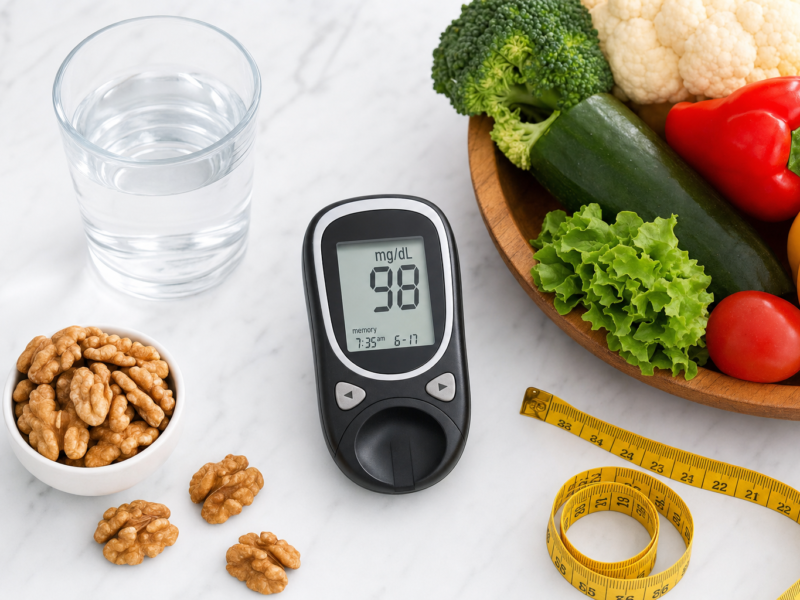
Fiber slows the digestion and absorption of carbohydrates, blunting glucose spikes. Protein stimulates a modest insulin response and helps you feel full without significantly raising blood sugar. Prioritizing blood sugar-friendly foods like leafy greens, legumes, eggs, and fish at every meal is one of the most sustainable ways to keep glucose levels stable.
Cut Sugary Drinks
Liquid sugar — from soda, juice, sweetened coffee, sports drinks, and energy drinks — is absorbed almost instantly, causing rapid and steep blood sugar spikes with no fiber or protein to slow them down. Replacing sugary drinks with water, sparkling water, or unsweetened herbal tea can dramatically reduce your daily glucose load.
Improve Sleep
Just one night of poor sleep can raise fasting blood sugar and reduce insulin sensitivity the following day. Chronic sleep deprivation significantly increases the risk of type 2 diabetes. Aim for 7–9 hours of quality sleep each night, maintain a consistent sleep schedule, and keep your bedroom cool and dark.
Manage Stress
Stress hormones — particularly cortisol — signal the liver to release stored glucose into the bloodstream, raising blood sugar even when you haven’t eaten. Chronic stress creates chronically elevated glucose. Regular mindfulness, deep breathing exercises, time in nature, and physical activity all help lower cortisol and, with it, blood sugar.
Lifestyle Habits That Help Keep Blood Sugar Down
Beyond specific tactics, certain daily habits create a metabolic environment where blood sugar stays naturally lower. Eating meals at consistent times each day helps stabilize insulin rhythms. Staying well-hydrated helps the kidneys flush excess glucose. Reducing ultra-processed foods removes hidden sugars and refined starches from your diet. Building muscle through resistance training improves your body’s ability to use glucose efficiently for years. Improving insulin sensitivity naturally amplifies the effect of everything else you do.
When Lifestyle Changes Aren’t Enough
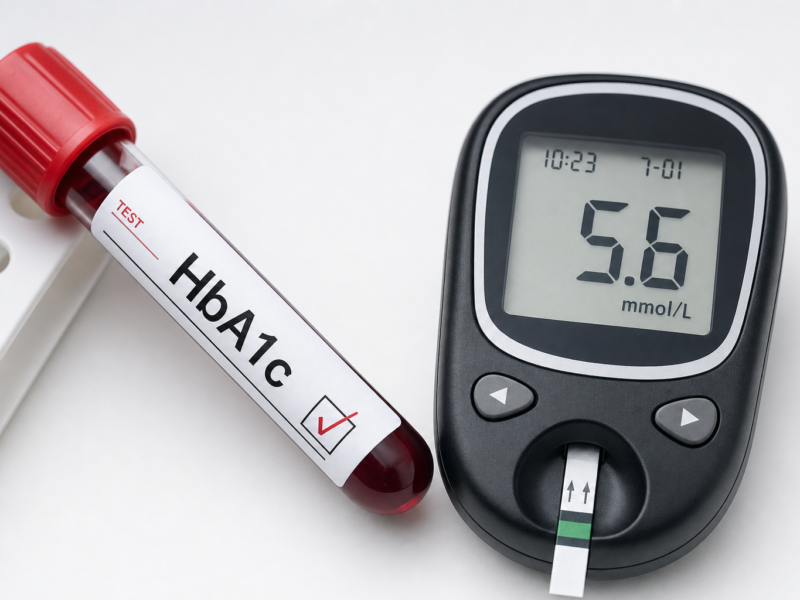
For some people — particularly those with established type 2 diabetes or severely impaired insulin function — lifestyle changes alone may not be sufficient to reach healthy blood sugar levels. This doesn’t mean they’ve failed; it means they may need medical support in addition to healthy habits. If your fasting blood sugar remains above 126 mg/dL, your HbA1c is 6.5% or higher, or you’re experiencing frequent symptoms despite making changes, speak with your doctor about additional options including medication.
FAQ
How can I lower blood sugar naturally?
Walking after meals, eating more fiber and protein, cutting sugary drinks, improving sleep, and managing stress are the most effective evidence-based approaches.
Does walking lower blood sugar?
Yes. Even a 10-minute walk after eating can reduce post-meal blood sugar by up to 30% by directing glucose into working muscles.
Can stress raise blood sugar?
Absolutely. Stress hormones like cortisol and adrenaline signal the liver to release glucose, raising blood sugar even without eating.
Does sleep affect blood sugar?
Significantly. Poor sleep impairs insulin sensitivity and raises fasting glucose. Just one bad night can measurably worsen blood sugar control the next day.
How fast can blood sugar come down?
With immediate action like a brisk walk, blood sugar can begin dropping within 15–30 minutes. Sustainable lowering through lifestyle changes typically shows meaningful improvement within 2–4 weeks.
When should I see a doctor?
If blood sugar remains persistently elevated despite lifestyle changes, or if you’re experiencing symptoms of hyperglycemia frequently, consult your doctor promptly.
7-Day Blood Sugar Lowering Challenge
Day 1: Take a 10-minute walk after every meal. Day 2: Replace all sugary drinks with water or herbal tea. Day 3: Add protein and fiber to every meal. Day 4: Sleep 7+ hours and go to bed at the same time. Day 5: Practice 10 minutes of deep breathing or meditation. Day 6: Cut out refined grains — swap for whole grains or vegetables. Day 7: Combine all habits and track how you feel. Most people notice improved energy and reduced cravings within the first week.


 Rachel Summers
 Emma Thornton
 James Hargreaves
 Sarah Mitchell