 Elena Voss
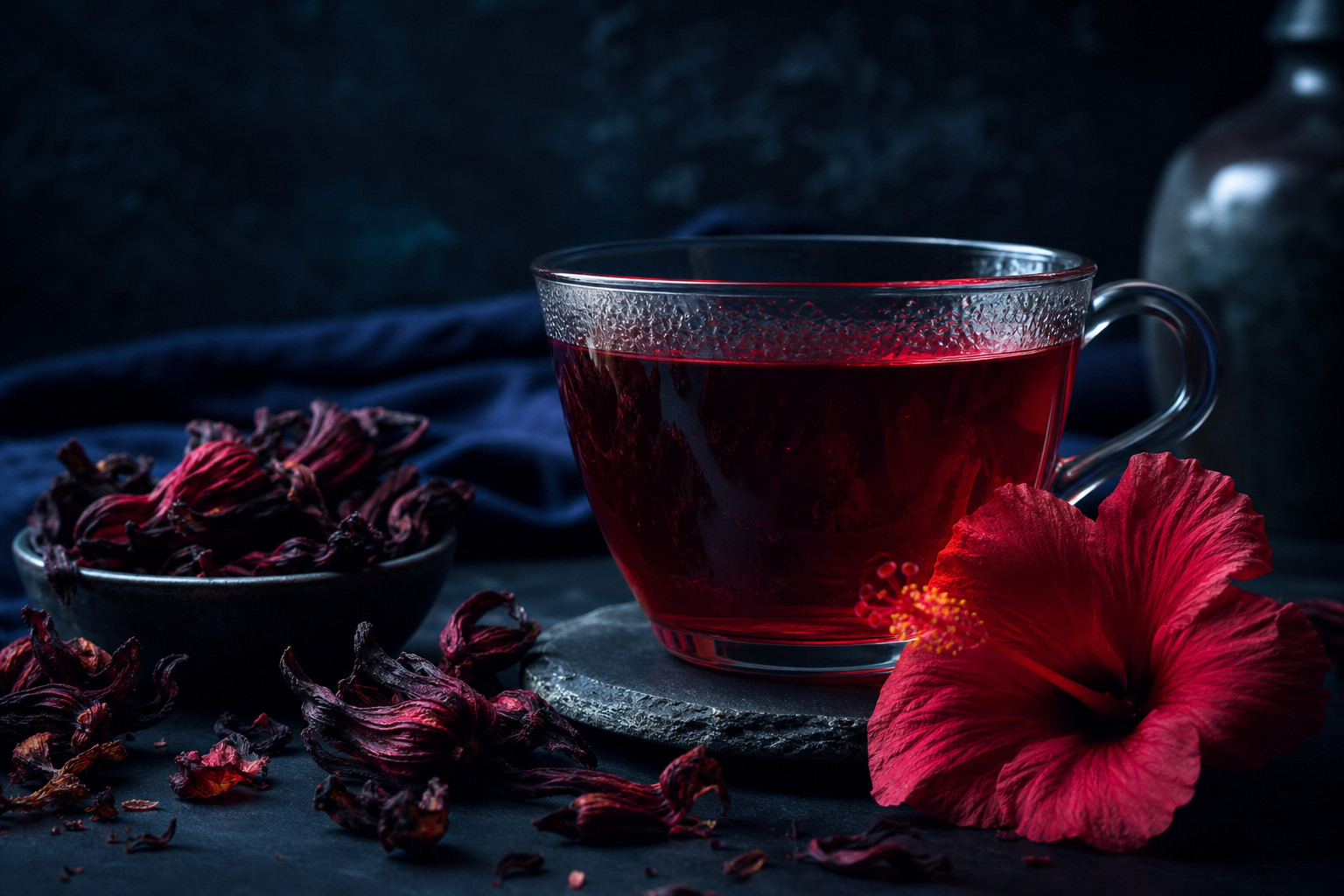
Hibiscus tea — made from the dried petals of Hibiscus sabdariffa — is one of the most evidence-backed herbal teas for cardiovascular health. Its distinctive deep crimson colour comes from anthocyanins — the same class of polyphenols that give berries their health benefits. The 2025 evidence is clear: hibiscus tea genuinely lowers blood pressure, modestly affects cholesterol, and delivers meaningful antioxidant protection.
What Makes Hibiscus Tea Medicinally Active?
Hibiscus sabdariffa petals contain a rich phytochemical profile: anthocyanins (particularly delphinidin-3-sambubioside and cyanidin-3-sambubioside — responsible for the red colour and antioxidant activity), hibiscus acid (a diuretic organic acid unique to hibiscus), hydroxycitric acid (anti-obesity properties), quercetin and other flavonoids (anti-inflammatory), and organic acids including malic and citric acid. The combination produces multiple complementary cardiovascular mechanisms.
Hibiscus Tea Benefits
1. Blood Pressure Reduction — Strongest Evidence
This is hibiscus tea’s most consistently and robustly evidenced benefit. A 2022 systematic review and meta-analysis found hibiscus consumption was significantly associated with lower blood pressure and recommended it as potentially beneficial for people with chronically elevated BP. A 2026 review of 26 studies (published July 2026) confirmed sustained blood pressure benefits across a large body of evidence. The average effect across randomised trials: approximately 4.7 mmHg reduction in systolic and 4.1 mmHg reduction in diastolic blood pressure. The American Heart Association’s 2008 study found consuming 3 cups of hibiscus tea daily for 6 weeks produced a 7.2 mmHg systolic reduction in prehypertensive adults — comparable to some antihypertensive medications at low doses. The mechanism involves ACE inhibition (angiotensin-converting enzyme — the same target as ACE inhibitor drugs), diuretic effects from hibiscus acid, and nitric oxide-mediated vasodilation from anthocyanins.
2. Cholesterol Improvement — Moderate Evidence
The cholesterol evidence for hibiscus is real but less consistent than the blood pressure data. A 2022 Nutrition Reviews meta-analysis found hibiscus significantly lowered LDL cholesterol by approximately 6.76 mg/dL across studies — a modest but meaningful reduction. Effects on total cholesterol, HDL, and triglycerides were less consistent across studies. The anthocyanins and hydroxycitric acid appear to reduce hepatic lipid synthesis. Overall, hibiscus produces modest favourable changes in the lipid profile — particularly LDL — rather than dramatic cholesterol-lowering effects.
3. Antioxidant Protection
Hibiscus is exceptionally high in anthocyanins — the same polyphenol class that makes blueberries and blackberries powerful antioxidants. Its ORAC (antioxidant capacity) score is among the highest of any commonly consumed beverage. Regular consumption reduces oxidative stress markers including malondialdehyde (MDA) and increases antioxidant enzyme activity (superoxide dismutase, catalase, glutathione peroxidase). This antioxidant profile contributes to its cardiovascular protection and may provide cellular anti-ageing benefits.
4. Blood Sugar Regulation
Multiple studies show hibiscus tea improves insulin sensitivity and reduces fasting blood glucose. A 4-week RCT in people with type 2 diabetes found hibiscus tea significantly reduced fasting glucose, HbA1c, and insulin resistance compared to black tea. The mechanisms include alpha-glucosidase inhibition (slowing carbohydrate digestion), improved insulin receptor sensitivity, and reduced inflammation in insulin-sensitive tissues. The blood sugar benefits are well-supported and make hibiscus tea a particularly rational choice for people managing metabolic health.
5. Liver Protection
Animal studies consistently show hibiscus extracts protect the liver from oxidative damage and may reduce fat accumulation in non-alcoholic fatty liver disease (NAFLD). A human study found hibiscus extract reduced markers of liver damage (AST, ALT) in people with fatty liver disease. The anthocyanins and hibiscus acid appear to reduce hepatic inflammation and lipid peroxidation.
How Much Hibiscus Tea Per Day?
Most clinical studies showing significant blood pressure effects use 2–3 cups (480–720ml) of hibiscus tea daily. The AHA study used 3 cups of brewed hibiscus tea for 6 weeks. Brew dried hibiscus flowers (1–2 teaspoons per cup) in hot or cold water for 5–10 minutes — longer steeping extracts more anthocyanins. Hibiscus tea can be consumed hot or as a cold brew — cold brewing overnight extracts significant anthocyanins without heat.
Frequently Asked Questions
Hibiscus tea’s best-evidenced benefits are: blood pressure reduction (4–7 mmHg systolic reduction in multiple RCTs, comparable to low-dose antihypertensives), modest LDL cholesterol lowering (~6.76 mg/dL reduction), blood sugar regulation (improved fasting glucose and HbA1c in diabetic populations), powerful antioxidant protection from anthocyanins, and potential liver protection. The blood pressure and antioxidant evidence is the strongest — confirmed across multiple well-designed trials.
Clinical studies showing significant blood pressure effects use 2–3 cups (480–720ml) daily for 4–6 weeks. The American Heart Association study used 3 cups daily for 6 weeks to achieve a 7.2 mmHg systolic reduction. Effects are most pronounced in people with prehypertension or mild hypertension — those with already-low blood pressure should monitor carefully as hibiscus can lower it further.
Yes — hibiscus tea is safe for daily consumption in normal amounts (2–3 cups). Main precautions: it can interact with hydrochlorothiazide (a common blood pressure medication) — spacing consumption 2 hours apart reduces this interaction. Very high amounts may have mild liver toxicity (seen only at very high supplemental doses, not from tea). Avoid during pregnancy as hibiscus may stimulate uterine contractions at high doses. The acidic nature can affect tooth enamel — rinse with water after drinking.
Some studies show acute blood pressure lowering effects within hours of consumption, but the most significant and sustained effects develop over 4–6 weeks of consistent daily consumption. It’s not a fast-acting emergency blood pressure remedy — rather a dietary strategy for sustained cardiovascular support. Do not use hibiscus tea as a substitute for prescribed blood pressure medication without medical supervision.
This article is for informational purposes only. Hibiscus tea can interact with blood pressure medications and diuretics. Consult your healthcare provider before adding hibiscus tea to your routine if you take blood pressure or diabetes medication.


 Elena Voss
 James Holloway
 Rachel Summers

 Dr. Maya Chen