 Dr. Rachel Stone
Bromelain is a proteolytic enzyme complex extracted from pineapple stem and juice. Unlike most enzymes that work only in the gut, bromelain is absorbed intact into the bloodstream — meaning it can exert systemic effects beyond digestion. This unique property makes it one of the more versatile and interesting enzyme supplements, with a growing evidence base for inflammation, sinusitis, and digestive support.
What Is Bromelain?
Bromelain is actually a mixture of proteases (protein-digesting enzymes) rather than a single compound. It’s measured in GDU (gelatin-digesting units) or MCU (milk-clotting units) rather than milligrams — a key point for supplement selection. Higher GDU or MCU values indicate greater enzymatic activity. Commercial bromelain supplements typically range from 500–3000 GDU/gram. It’s found in both the fruit and stem of pineapples, with the stem containing higher concentrations — which is why bromelain supplements are made from pineapple stem rather than the fruit you’d eat.
Bromelain Benefits
1. Anti-Inflammatory Effects
This is bromelain’s most studied and consistently demonstrated systemic benefit. A 2026 Frontiers in Nutrition review of clinical trials found many studies reporting reduced inflammatory markers with bromelain supplementation. A 2023 review in PMC confirmed anti-inflammatory, antiedematous (reducing swelling), and immunomodulatory activity. Bromelain reduces inflammation through multiple mechanisms: degrading fibrin and inflammatory mediators in the bloodstream, reducing bradykinin (a pain and inflammation molecule), and modulating prostaglandin synthesis. These mechanisms allow it to reduce post-surgical swelling, sports injuries, and chronic inflammatory conditions.
2. Sinusitis Relief
Bromelain has a notable evidence base for sinusitis — one of its most studied clinical applications. Multiple reviews report that bromelain may reduce nasal swelling, congestion, mucus viscosity, and improve sinus drainage in sinusitis. A PMC study found bromelain reduces mucosal inflammation in the nasal passages. It’s used in Germany as an approved adjunct treatment for sinusitis (where it has a longer history of clinical use than in the UK or US). The 2025 evidence still characterises this as “promising but not definitively proven” — improvement in symptoms is consistently reported but study quality varies. For mild to moderate sinusitis, bromelain is a reasonable natural adjunct.
3. Digestive Support
Bromelain’s proteolytic action aids protein digestion — it breaks down dietary proteins in the stomach and small intestine, complementing the body’s own digestive enzymes. This can be particularly beneficial for people with low stomach acid, pancreatic insufficiency, or general digestive discomfort after protein-rich meals. An NIH review notes potential support for protein digestion and nutrient absorption. When taken with meals, bromelain acts as a digestive enzyme; when taken on an empty stomach, it’s absorbed systemically and exerts anti-inflammatory effects — the timing determines the primary benefit.
4. Sports Recovery and Muscle Soreness
Bromelain’s anti-inflammatory and fibrinolytic (clot-dissolving) properties make it a rational choice for post-exercise recovery. Studies show bromelain reduces delayed onset muscle soreness (DOMS) and may accelerate recovery from muscle injury. Its ability to reduce swelling and bruising — well-established in post-surgical contexts — translates to exercise-induced muscle microtrauma. Athletes use it as a natural anti-inflammatory alternative to NSAIDs for recovery support.
5. Joint Pain
Several studies have examined bromelain for osteoarthritis and rheumatoid arthritis. A combination product containing bromelain, trypsin, and rutin (Phlogenzym/Wobenzym) has been compared to diclofenac for knee osteoarthritis in multiple European trials, with comparable pain reduction. While the combination product evidence is stronger than bromelain alone, bromelain’s anti-inflammatory mechanisms make it a meaningful component for joint support.
How to Take Bromelain
- For digestion: Take 250–500mg with meals — the enzyme acts on food proteins in the digestive tract
- For anti-inflammatory effects: Take 500–2000mg on an empty stomach (30 minutes before or 2 hours after eating) — allows systemic absorption
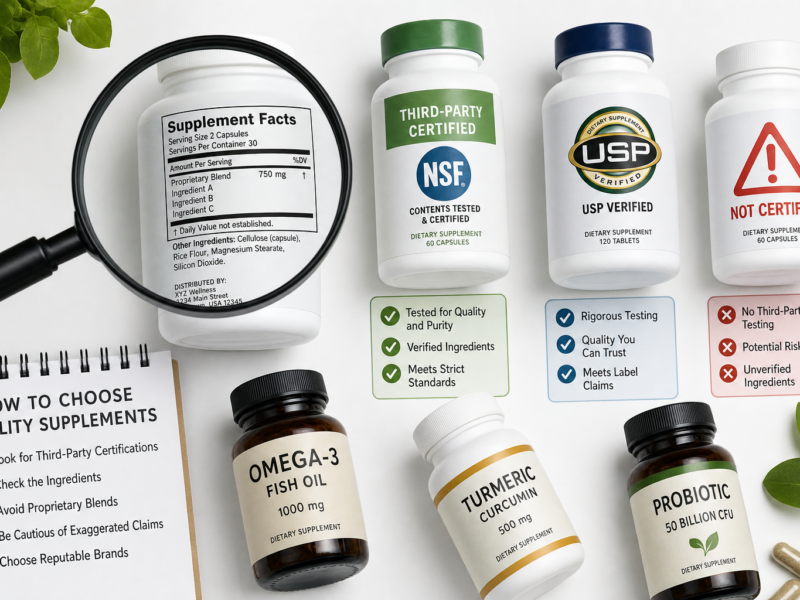
- Look for: GDU or MCU activity listed on the label alongside milligram weight; activity matters more than mass
- Avoid if: You take blood thinners (bromelain has anticoagulant effects), are allergic to pineapple, or take certain antibiotics (bromelain increases absorption of amoxicillin and tetracycline)
Frequently Asked Questions
Bromelain is used for: reducing inflammation and swelling (post-surgery, injury, sports recovery), sinusitis symptom relief, digestive support for protein breakdown, joint pain management (particularly osteoarthritis), and muscle soreness reduction. It’s unique among digestive enzymes because it’s absorbed intact into the bloodstream, allowing systemic anti-inflammatory effects beyond the gut. Take with food for digestion; on empty stomach for systemic anti-inflammatory use.
Yes — with solid mechanistic and growing clinical evidence. Bromelain degrades inflammatory mediators in the bloodstream, reduces bradykinin (a pain and swelling molecule), modulates prostaglandin synthesis, and has fibrinolytic activity. A 2026 Frontiers in Nutrition review confirmed multiple clinical trials showing reduced inflammatory markers. Its anti-inflammatory effects are most clearly demonstrated for post-surgical swelling, sinusitis, and musculoskeletal inflammation.
Yes — bromelain is safe for daily use at standard doses. It has a good safety profile in clinical studies. The main precautions: it has mild blood-thinning effects (use caution with anticoagulants like warfarin), it increases absorption of some antibiotics (inform your doctor if on antibiotics), and it can cause allergic reactions in people with pineapple allergy. At high doses, gastrointestinal upset is the most common side effect.
This article is for informational purposes only. Consult a healthcare provider before taking bromelain if you use blood thinners, antibiotics, or have a pineapple allergy.


 Dr. Rachel Stone
 Dr. Maya Chen
 Elena Voss
 Emma Thornton