 Emma Thornton
What Women Need from Supplements
Women’s nutritional needs vary significantly across life stages — from the reproductive years through pregnancy, perimenopause, and beyond. Iron, folate, iodine, calcium, and vitamin D are the nutrients most commonly insufficient in women, driven by menstruation, pregnancy demands, dietary patterns, and the bone density changes of menopause. Getting supplementation right requires understanding which stage you’re at and which specific gaps you actually have. For a complete introduction to the supplement landscape, see our complete guide to supplements.
Best Supplements for Women’s Energy
Iron deficiency is the most common nutritional deficiency in women of reproductive age — and the most common nutritional cause of fatigue in this group. Heavy menstrual periods significantly increase iron losses. Symptoms include exhaustion, breathlessness on exertion, pale skin, and difficulty concentrating. Iron deficiency should be confirmed by blood test (serum ferritin) before supplementing — excessive iron is harmful. Vitamin D and B12 deficiency are also common energy-draining nutritional gaps in women. See our guide to best supplements for energy for a full overview.
Best Supplements for Hormone Support
Magnesium plays a key role in hormone regulation — it supports progesterone production, reduces PMS symptoms (mood changes, cramping, fluid retention), and regulates cortisol. Studies show magnesium supplementation significantly reduces PMS symptom scores. Vitamin B6 has evidence for reducing PMS mood symptoms. Omega-3 fatty acids reduce prostaglandin-mediated menstrual pain. Inositol — particularly myo-inositol — has strong evidence for improving insulin sensitivity and hormone balance in women with PCOS. See our guides to magnesium and omega-3.
Best Supplements for Bone Health
Women lose bone density significantly from perimenopause onwards due to declining oestrogen — making bone health supplementation increasingly important from the mid-40s. The key nutrients for bone density are vitamin D (essential for calcium absorption — without adequate vitamin D, calcium supplementation is largely ineffective), calcium (1,000–1,200mg daily from food plus supplements if needed), magnesium (required for calcium metabolism and bone matrix formation), and vitamin K2 (directs calcium into bones rather than arteries — often missing from standard multivitamins). See our guide to vitamin D benefits and deficiency.
Best Supplements for Pregnancy and Fertility
Folate (or folic acid) is the most critical supplement for women planning pregnancy and in the first trimester — it reduces neural tube defect risk by up to 70% and should be started before conception. The recommended dose is 400–800mcg daily; women with MTHFR gene variants may need methylfolate specifically. Iodine is essential for foetal brain development and is commonly deficient — 150mcg daily is recommended in pregnancy. Omega-3 DHA is critical for foetal brain and eye development; 200–300mg DHA daily is recommended from the second trimester. Iron needs nearly double in pregnancy. A quality prenatal multivitamin covering folate, iodine, DHA, iron, vitamin D, and B12 is the most practical approach for most pregnant women.
Best Vitamins and Minerals for Women
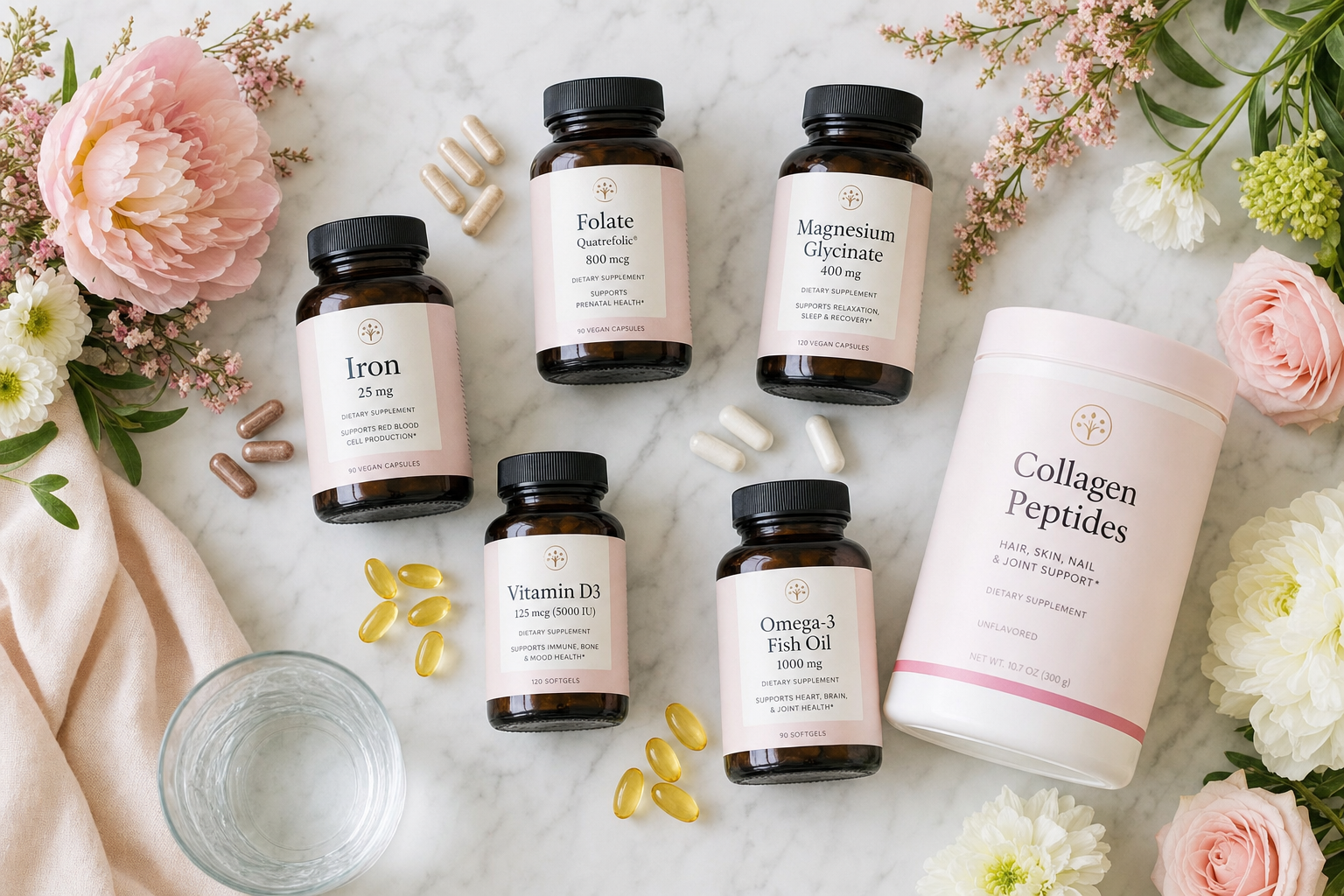
Iron and Folate
Iron (from food or supplements) is critical for women with heavy periods or those who are pregnant. Folate is essential throughout the reproductive years. Both are typically covered by a quality women’s multivitamin or prenatal supplement. See our guide to B12 deficiency and supplements for the relationship between B12, folate, and anaemia.
Calcium, Vitamin D, and Magnesium
The bone health triad — best obtained primarily from food (dairy, leafy greens, fortified foods) with supplements filling gaps. Vitamin D deficiency is near-universal without supplementation in northern latitudes. See our full guide to vitamin D.
Omega-3s for Women
Omega-3 EPA reduces inflammation and PMS symptoms; DHA supports brain health, foetal development in pregnancy, and potentially mood. Most women don’t eat oily fish frequently enough to meet needs. 1–2g of combined EPA+DHA daily is a well-evidenced target. See our full omega-3 guide.
Probiotics and Digestive Support
Women are more prone than men to IBS, UTIs, and vaginal dysbiosis — all of which have connections to gut and vaginal microbiome health. Specific probiotic strains (Lactobacillus rhamnosus, Lactobacillus reuteri, Lactobacillus crispatus) have evidence for reducing recurrent UTIs and supporting vaginal microbiome health. See our probiotics supplement guide.
Supplements for Perimenopause and Menopause
As oestrogen declines in perimenopause and menopause, several supplements become particularly valuable. Magnesium helps with sleep disruption and mood changes. Vitamin D and K2 for accelerating bone density loss. Omega-3 for cardiovascular risk (which rises significantly post-menopause). Ashwagandha for stress and sleep. Collagen peptides for skin and joint changes. Black cohosh has some evidence for hot flush reduction (though evidence is inconsistent). See our guides to ashwagandha and collagen supplements.
FAQ
What supplements should women take daily?
Vitamin D, omega-3 fish oil, and magnesium glycinate form a strong evidence-based foundation for most women. Add iron if menstruation is heavy, folate if pregnant or planning pregnancy, and B12 if vegan or over 50.
Which vitamins are most important for women?
Vitamin D, folate (in reproductive years), B12, and iron are the nutrients women are most commonly deficient in and most likely to benefit from supplementing.
Are women’s multivitamins worth it?
They can be useful as a convenient gap-filler, but women’s multivitamins often contain insufficient vitamin D, inadequate iron (or too much in post-menopausal women), and miss K2 entirely. Targeted individual supplements based on identified needs are typically more effective.
What supplements help with energy in women?
Iron (if deficient — the most common cause of fatigue in premenopausal women), vitamin D, B12, and magnesium address the most common nutritional energy drains.
What supplements support bone health?
Vitamin D, calcium (from food + supplements), magnesium, and vitamin K2 work synergistically for bone density. Vitamin D is the most critical — without it, calcium supplementation is largely ineffective.
Related: Hydration and Longevity: How Water Shapes Energy, Skin, and Aging


 Sarah Mitchell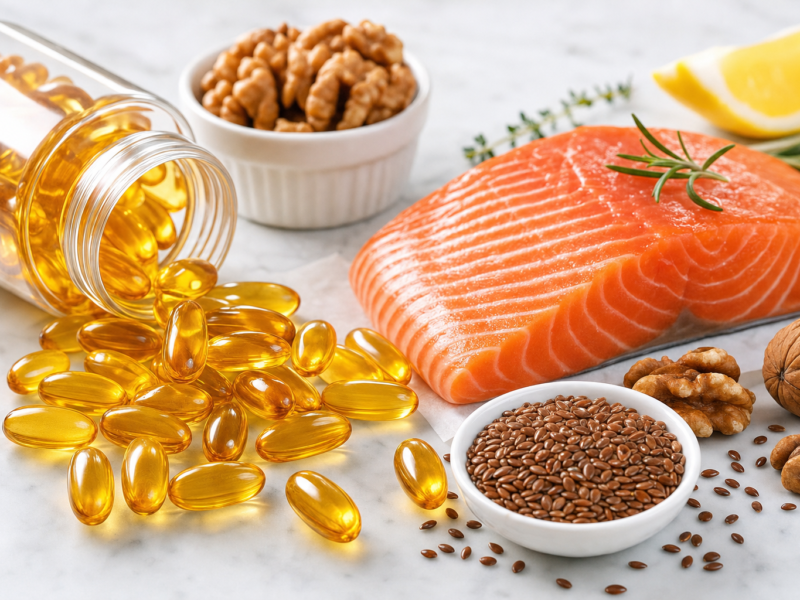
 Rachel Summers
 Elena Voss
 James Hargreaves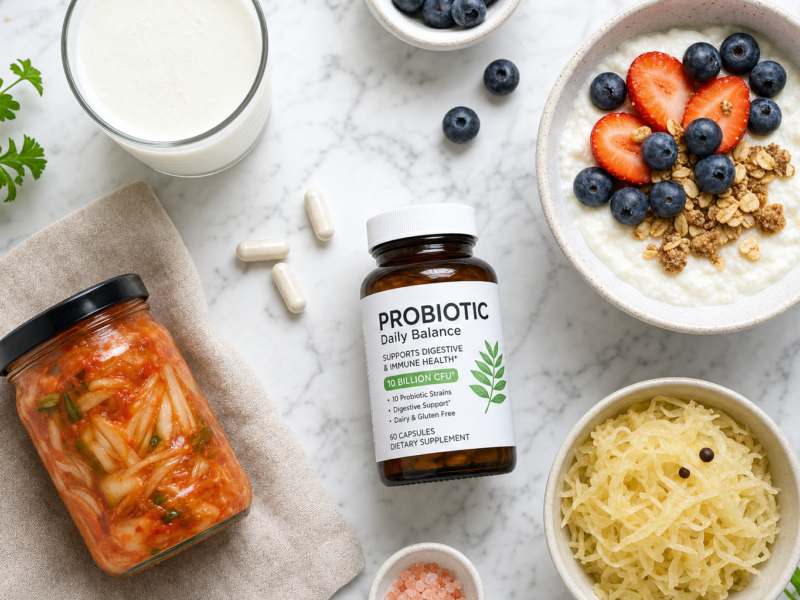
 Emma Thornton