 Sarah Mitchell
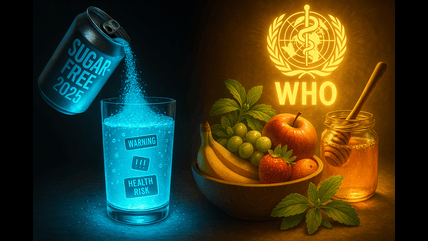
Fast answer: Non-sugar sweeteners (NSS) can reduce calories and generally don’t raise blood sugar, but they’re not a magic fix for weight loss. WHO guidance advises against using NSS for weight control; the best results come from overall sugar reduction and whole-food swaps.
In this guide: what counts as NSS, pros/cons, safer ways to cut sugar, label tips, and FAQs.
What are non-sugar sweeteners (NSS)?
NSS (also called high-intensity sweeteners) taste far sweeter than sugar with few or no calories. Examples: aspartame, sucralose, saccharin, acesulfame K, stevia/steviol glycosides, monk-fruit (luo han guo), neotame, advantame. They’re FDA-regulated food additives.

What recent guidance and studies say
WHO (2023): Advises not to use NSS to control body weight or reduce NCD risk; focus on lowering added sugars overall.
FDA: Lists approved high-intensity sweeteners and acceptable daily intakes (ADI). When used within ADI, they’re considered safe.
Observational studies link very high intake of some sweeteners or sugar alcohols (e.g., erythritol) with possible cardiometabolic risks, but causation isn’t proven. Prioritize whole-diet improvements rather than swapping sugar for large amounts of NSS.
Mayo Clinic Minute — brief overview of artificial sweeteners, regulation, and ongoing research
Pros & cons (practical view)
Potential upsides (when used moderately):
Can lower calories vs sugar-sweetened drinks/foods.
Generally don’t spike blood glucose (helpful for some people managing carbs).
Useful as a transition tool while you cut added sugars.
Potential downsides:
Not a guaranteed weight-loss tool; appetite and food choices still matter.
Some people report GI upset (especially with sugar alcohols) or prefer the taste of whole foods.
Over-reliance on “diet” products can crowd out fiber- and protein-rich meals.
Internal link: See our Ultra-Processed Foods guide for easy swaps.
Internal link: Boost fullness with our High-Fiber Eating plan.
Better ways to cut sugar (simple, sustainable)
1) Fix the drink first
Swap soda/energy drinks for water, sparkling water, or unsweetened tea/coffee. Use a slice of citrus or mint. If you rely on diet soda, taper down week by week.
2) Re-train sweetness
Keep desserts intentional (1–2 times/week). Choose fruit + yogurt or dark chocolate on other days.
3) Build “full plates”
Every meal: protein + fiber + healthy fats (e.g., eggs + veg + whole-grain toast; salmon + quinoa + broccoli). Fuller plates = fewer sweet cravings.
4) Choose whole-food sweetness
Add berries, sliced apple/pear, cinnamon, vanilla to oats or yogurt.
Image 2
ALT: Top-down photo of a grocery basket with water, oats, plain yogurt, berries, apples, nuts, and whole-grain bread—labeled as low-sugar staples.
Sora prompt: “Top-down photoreal grocery basket holding water bottles, rolled oats, plain yogurt, berries, apples, mixed nuts, whole-grain bread; clean wood surface, natural light, 3:2, no brand labels”
Label tips (60 seconds)
Ingredients list: If sugar, corn syrup, or refined starches lead, pick another option.
Added sugars line: Aim lower; many adults do well under 10% of calories from added sugar.
Sweetener names: Look for aspartame, sucralose, saccharin, acesulfame K, stevia/steviol, monk-fruit/luo han guo.
Sugar alcohols: erythritol, xylitol, sorbitol, maltitol—start small to test tolerance.
Serving size: Packages often contain 2+ servings.
FAQs
Are NSS better than sugar?
They can reduce calories and may help maintain glucose control for some, but they’re not a cure-all. Cutting added sugars and eating balanced meals matters most.
Which NSS should I choose?
Pick what you tolerate and use sparingly. Many prefer stevia/monk-fruit in coffee/tea, or simply go unsweetened over time.
Do NSS break a fast?
Most are very low/no calories. If your goal is calorie-free fasting, stick to water, plain tea, or black coffee to be safe.
Any safety red flags?
Stay within ADI and listen to your body. People with PKU must limit aspartame. If you notice headaches, cravings, or GI discomfort, scale back.
Best quick win this week?
Replace one sweet drink daily with sparkling water + citrus, and make dessert a planned treat once or twice a week.
Conclusion
Non-sugar sweeteners can help reduce added sugar as a bridge—but the long-term win comes from simpler, less-sweet eating and whole-food meals. Start with your drinks, build fuller plates, and let your taste buds adjust.
Do this today: Swap one sweet drink for sparkling water, and add protein + fiber to your next meal.
References (high-authority)
WHO — Non-sugar sweeteners guideline (2023): Advises against using NSS for weight control. World Health Organization
FDA — High-Intensity Sweeteners (Q&A) & ADIs: Regulatory status and examples. U.S. Food and Drug Administration+2U.S. Food and Drug Administration+2
Cleveland Clinic — Erythritol research summary/newsroom: Cardiovascular risk signals; more research needed. Cleveland Clinic
Johns Hopkins Medicine — Sugar & sugar substitutes overview: Practical guidance. Hopkins Medicine


 Sarah Mitchell
 James Hargreaves
 Daniel Brooks
 Rachel Summers