
 Rachel Summers
Fast answer: Ultra-processed foods (UPFs) are easy to overeat because they’re energy-dense, hyper-palatable, and often low in fiber and protein. Cutting back may support weight management and better appetite control—especially when you replace them with simple whole-food swaps.
In this guide: what counts as “ultra-processed,” why it’s tricky for hunger signals, 10 easy swaps, label tips, budget ideas, and FAQs.
What are ultra-processed foods?
Ultra-processed foods are products with many industrial ingredients (emulsifiers, colorings, flavorings, refined starches, added sugars, etc.) that you wouldn’t use at home. Think packaged snacks, candies, sodas/energy drinks, instant noodles, many fast-food items, and some frozen meals.
Lightly processed items (e.g., frozen veggies, plain yogurt, canned beans) are different—they can be part of a balanced pattern.
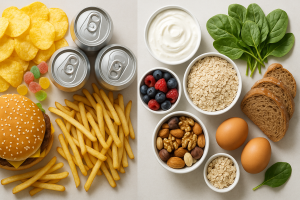
Why reducing UPFs may help:
-
They’re easy to eat quickly and in large amounts.
-
They often pack more added sugars, sodium, and refined oils/starches than whole-food options.
-
They usually have less fiber and protein, so you don’t feel full for long.
-
Swapping in whole foods helps maintain steadier energy and appetite.
10 easy swaps (that still taste good)
Breakfast
-
Sweet cereal → Old-fashioned oats with berries + yogurt
-
Pastry → Whole-grain toast + eggs/avocado
-
Flavored yogurt → Plain Greek yogurt + fruit + cinnamon
Snacks
-
Chips → Roasted nuts or air-popped popcorn
-
Candy bar → Fruit + nut butter
-
Energy drink → Sparkling water with lemon/lime
Lunch/Dinner
-
Instant noodles → Whole-grain pasta or brown rice + veggies + protein
-
Processed deli meats → Roast chicken, tuna, or hummus + veggies
-
Frozen breaded “nuggets” → Baked chicken thighs with spices
Dessert
-
Ice-cream bar daily → Greek-yogurt parfait with fruit (save ice-cream for a planned treat night)
Tip: Aim for protein + fiber + healthy fats in each meal (e.g., salmon + quinoa + veg). This combo helps maintain fullness.
Label reading in 60 seconds
-
Ingredients list: Shorter is usually better. If the first 3 items are sugar, refined flour, or oils, consider another option.
-
Added sugars: Aim to limit; many people do well staying under ~6–9 teaspoons/day from all sources.
-
Fiber: Choose ≥ 3 g per serving when possible.
-
Sodium: Compare brands; lower is better for most adults.
-
Protein: Build meals with 20–30 g to help maintain fullness.
-
Portions: Packaging can contain 2+ servings—check the serving size.
Budget & convenience tips
-
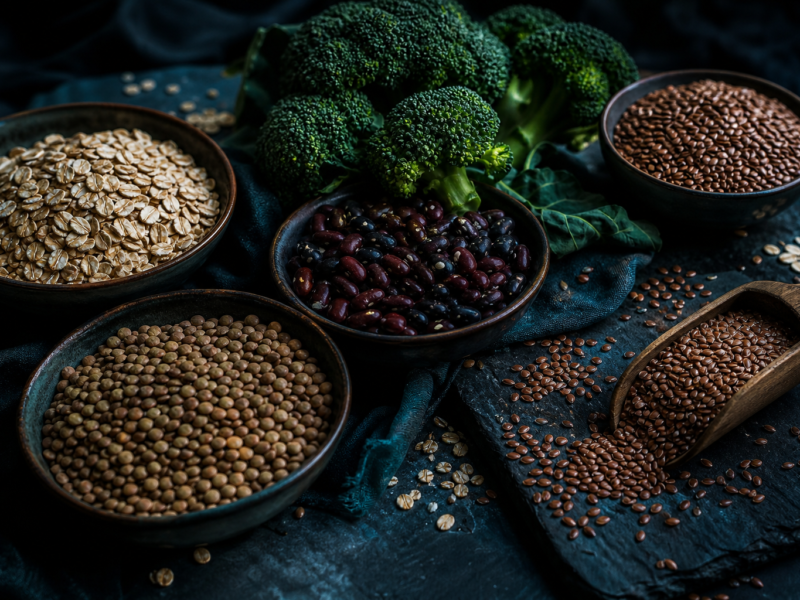
Batch-cook once: Cook a big pot of beans or lentils; freeze in portions.
-
Use frozen produce: Frozen fruits/veg are nutritious and affordable.
-
Flavor smart: Herbs, spices, lemon, vinegar, garlic—cheap and tasty.
-
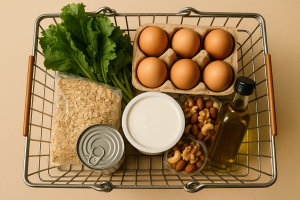
Keep “lifesaver” staples: Eggs, canned fish, whole-grain wraps, yogurt, nuts, pre-washed greens.
-
Upgrade takeout: Add a side salad, choose grilled over fried, split large portions.
FAQs about ultra-processed foods
Are all processed foods bad?
No. Minimal processing (washing, freezing, plain yogurt, canned beans) can be fine. “Ultra-processed” usually means many added flavors, colors, sweeteners, and refined starches.
Can I still have treats?
Yes—plan them. Enjoy a dessert or favorite snack mindfully 1–2 times per week. Make your day’s other meals fiber- and protein-forward.
Are plant-based meats ultra-processed?
Many are. If you use them, balance with whole foods (beans, tofu, lentils) and plenty of vegetables.
If I cook at home, does it matter?
It helps. Home-cooked meals tend to be higher in fiber/protein and lower in sodium/sugar—great for appetite and energy.
What’s the fastest win this week?
Swap your daily sweet drink for water or sparkling water with citrus. It’s a quick sugar cut without much effort.
Conclusion
Cutting back on ultra-processed foods may support steadier energy and appetite—especially when you replace them with simple, tasty whole-food swaps. Start with one swap per meal this week and keep the ones you love.
Do this today: Add oats, eggs, beans, frozen veg, and yogurt to your next shop. That single basket sets you up for better choices all week.
References (high-authority)
-
Harvard T.H. Chan School — The Nutrition Source: Processed Foods. https://www.hsph.harvard.edu/nutritionsource/processed-foods/
-
U.S. FDA — How to Understand and Use the Nutrition Facts Label. https://www.fda.gov/food/nutrition-education-resources-materials/how-understand-and-use-nutrition-facts-label


 Sarah Mitchell
 Emma Thornton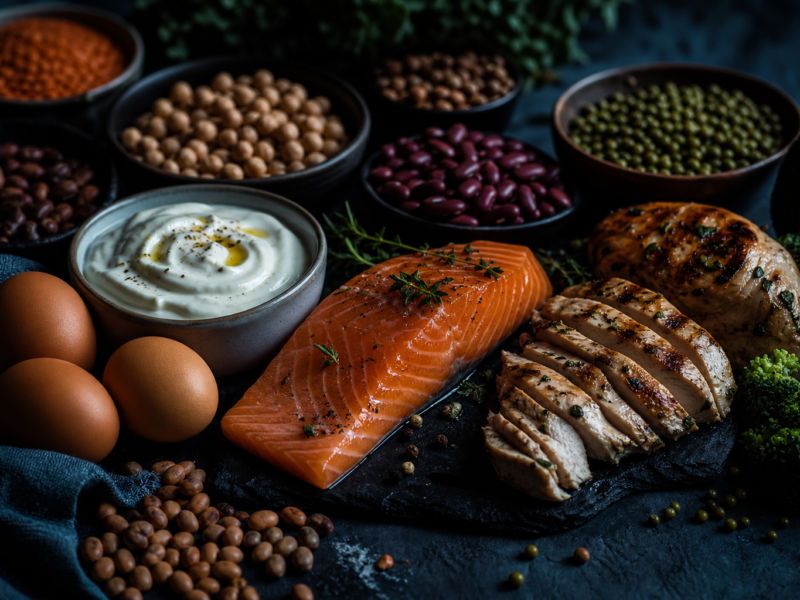
 James Hargreaves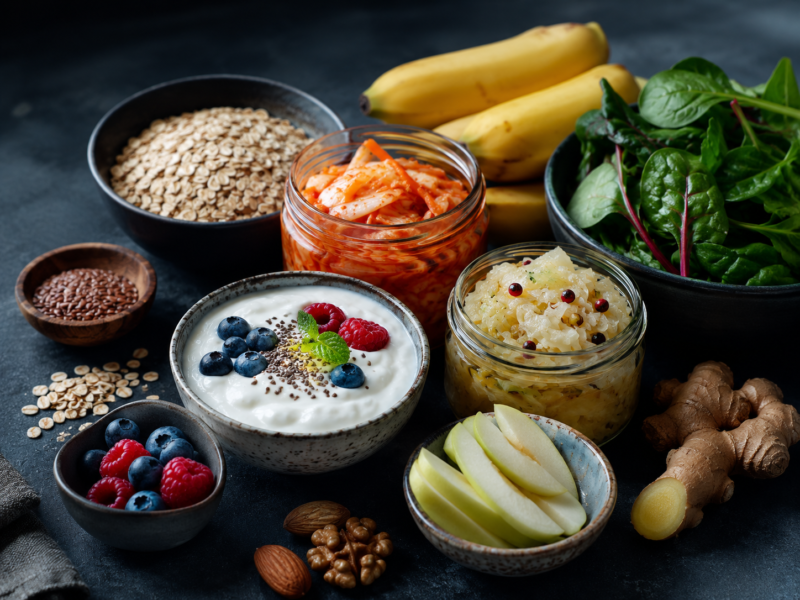
 Rachel Summers