 Dr. Rachel Stone
Hypothyroidism affects an estimated 1 in 20 people — and diet plays a meaningful role in both supporting thyroid function and avoiding foods that interfere with it. Whether you’re managing subclinical hypothyroidism or on thyroid medication, understanding what to eat and what to avoid can significantly improve how you feel.
How Diet Affects Thyroid Function
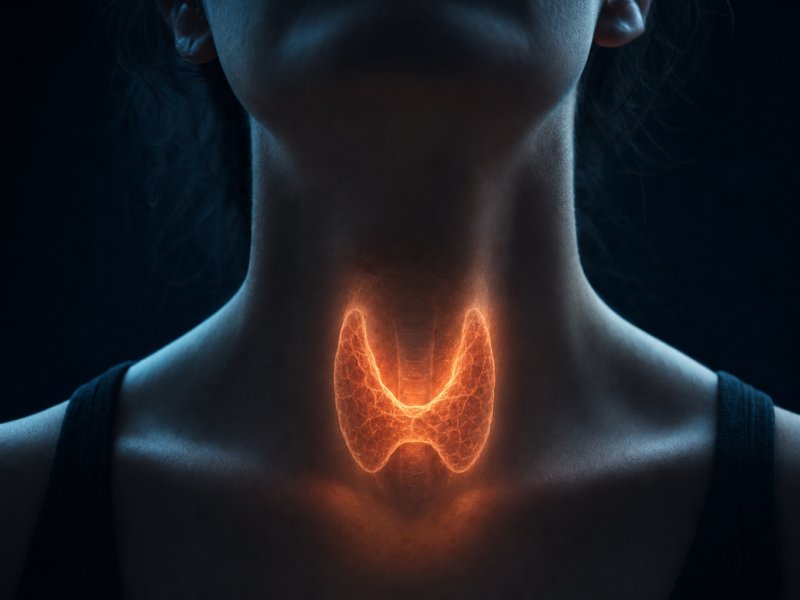
The thyroid gland produces hormones (T4 and T3) that regulate metabolism, energy, body temperature, heart rate, and virtually every organ system. Thyroid hormone production requires iodine, selenium, zinc, and iron. Conversion of the inactive T4 to the active T3 (which happens primarily in the liver and gut) requires selenium and zinc. Several dietary factors can either support this process or interfere with it.
Best Foods for Thyroid Health
Selenium-Rich Foods
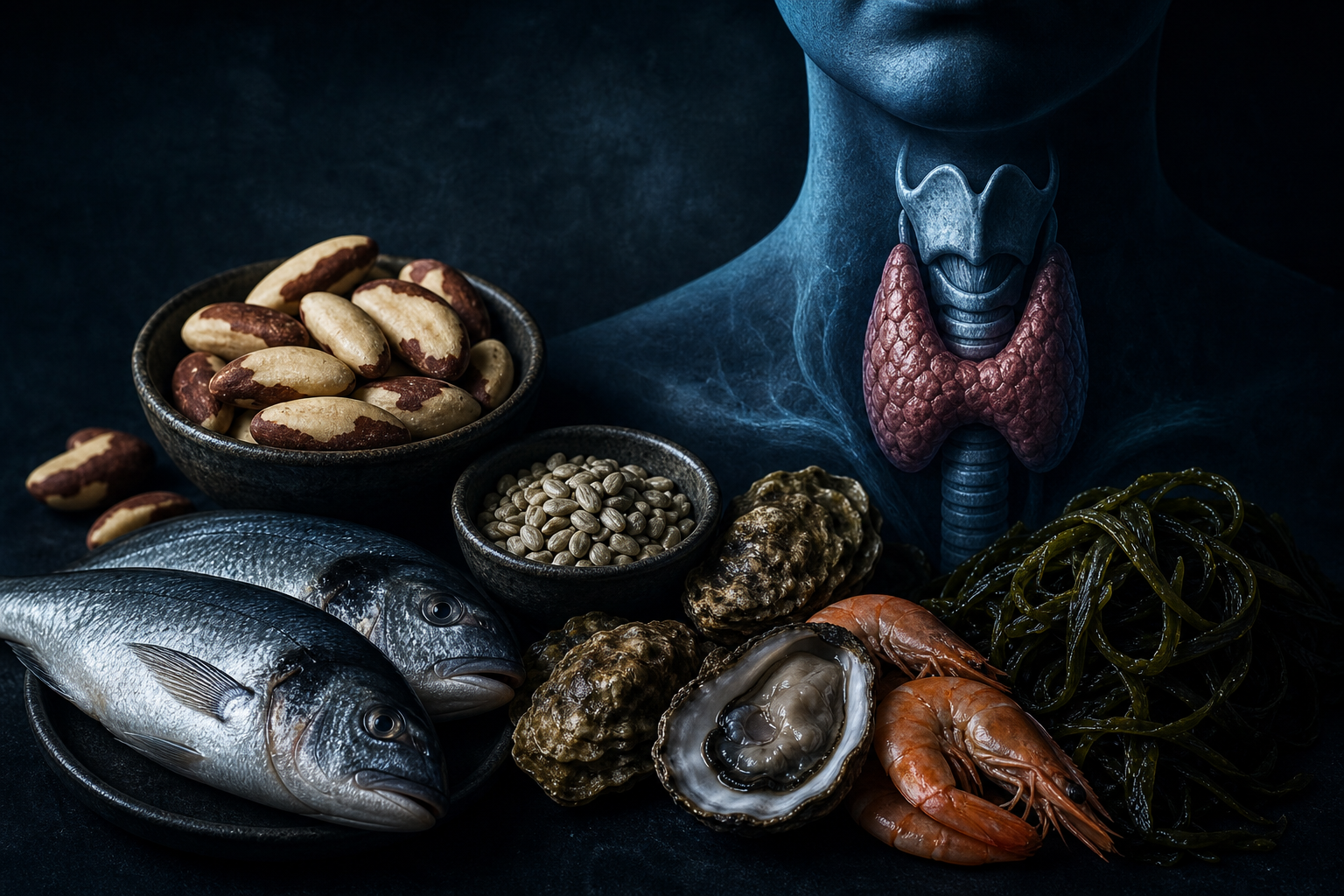
Selenium is the most important nutrient for thyroid function — the thyroid has the highest selenium concentration per gram of any organ. It’s required for thyroid peroxidase (the enzyme that makes thyroid hormones), the deiodinase enzymes that convert T4 to T3, and selenoprotein P that protects the thyroid from oxidative damage. Key sources: Brazil nuts (2–3 daily provides ~200mcg selenium — the therapeutic dose), tuna, sardines, eggs, sunflower seeds, and chicken.
Iodine-Rich Foods
Iodine is the raw material for thyroid hormones (both T4 and T3 contain iodine atoms). Mild iodine deficiency is the most common cause of hypothyroidism globally. Key sources: seaweed (particularly nori, wakame — but not kelp supplements which can provide excessive iodine), seafood, dairy products, and iodised salt. The goal is adequate iodine from whole food sources — not high-dose iodine supplements, which can worsen autoimmune thyroid disease.
Zinc-Rich Foods
Zinc is required for TSH production (the pituitary signal that stimulates the thyroid), T4-to-T3 conversion, and thyroid receptor sensitivity. Best sources: oysters, beef, pumpkin seeds, chickpeas, and cashews. Many people with hypothyroidism are zinc-deficient — supplementing 25–30mg zinc picolinate often improves thyroid function markers.
Anti-Inflammatory Foods
Since the most common form of hypothyroidism (Hashimoto’s thyroiditis) is autoimmune, an anti-inflammatory diet addresses the root immune dysregulation. Priorities: fatty fish (EPA/DHA reduce inflammatory cytokines), colourful vegetables and berries (polyphenols), extra virgin olive oil, turmeric, ginger, and high-fibre foods that support a diverse gut microbiome — which regulates immune function.
Foods to Avoid with Hypothyroidism
1. Goitrogenic Foods (In Excess)
Goitrogens are compounds that interfere with iodine uptake by the thyroid. They’re found in cruciferous vegetables (broccoli, kale, cabbage, Brussels sprouts, cauliflower), soy, millet, and peanuts. The key nuance: cooking deactivates most goitrogenic compounds significantly, and normal dietary amounts are unlikely to affect thyroid function in people with adequate iodine. The concern is primarily large amounts of raw cruciferous vegetables (e.g. daily large green smoothies with raw kale) combined with iodine deficiency. Cooking cruciferous vegetables and eating them in normal dietary quantities is safe.
2. Highly Processed Foods
Ultra-processed foods drive the gut dysbiosis and systemic inflammation that impair thyroid function and worsen autoimmune activity. They also tend to be low in the nutrients (selenium, zinc, iodine) thyroid function requires. Minimising processed food intake is one of the most impactful dietary changes for thyroid health.
3. Gluten (For Hashimoto’s)
Molecular mimicry between gliadin (gluten protein) and thyroid tissue means antibodies against gluten may cross-react with thyroid cells. Multiple studies show gluten-free diets reduce TPO antibodies in Hashimoto’s patients. For confirmed Hashimoto’s, a 3-month gluten elimination trial is worthwhile to assess impact on antibody levels and symptoms.
4. Soy (In Large Amounts)
Soy isoflavones inhibit thyroid peroxidase — the enzyme that makes thyroid hormones. Large amounts of soy (particularly soy supplements or protein powders as primary protein source) may interfere with thyroid function and reduce levothyroxine absorption. Moderate dietary soy (edamame, tofu a few times weekly) is unlikely to cause problems for most people with adequate iodine status.
5. Coffee (Around Levothyroxine Dose)
Coffee significantly reduces levothyroxine absorption when taken simultaneously. If you take thyroid medication, take it 30–60 minutes before coffee (and before food) to ensure full absorption. This is one of the most common unrecognised reasons for suboptimal thyroid medication response.
Frequently Asked Questions
The main foods to limit or avoid with hypothyroidism are: large amounts of raw cruciferous vegetables (goitrogens — though cooked and normal dietary quantities are fine), excessive soy products (particularly supplements), gluten (for confirmed Hashimoto’s), highly processed foods (drive inflammation and gut dysbiosis), alcohol (suppresses thyroid function), and coffee within 60 minutes of levothyroxine medication. Iodine excess from high-dose supplements can also worsen autoimmune thyroid disease.
Best foods for hypothyroidism: Brazil nuts (selenium — 2–3 daily provides therapeutic dose), seafood and dairy (iodine), oysters and beef (zinc), fatty fish (omega-3 anti-inflammatory), colourful vegetables and fruits (polyphenols), fermented foods (gut microbiome support for immune regulation), and extra virgin olive oil. The overall dietary pattern should be anti-inflammatory and nutrient-dense, centred on whole unprocessed foods.
For very mild or subclinical hypothyroidism, dietary optimisation (particularly selenium, iodine, and zinc sufficiency) combined with an anti-inflammatory diet may normalise thyroid function without medication. For established hypothyroidism with significantly elevated TSH, medication (levothyroxine) is typically required — but diet powerfully supports medication effectiveness and reduces the autoimmune activity driving Hashimoto’s. Never stop thyroid medication without medical supervision.
This article is for informational purposes only. Hypothyroidism requires medical management — work with a healthcare provider or endocrinologist for diagnosis and treatment.
Related reading: How to Tell If You Have Thyroid Problems, Hashimoto’s Diet.
Further reading: Psyllium Husk: Complete 2025 Evidence Guide | Glucomannan Benefits and Uses

 Dr. Rachel Stone