 Dr. Rachel Stone
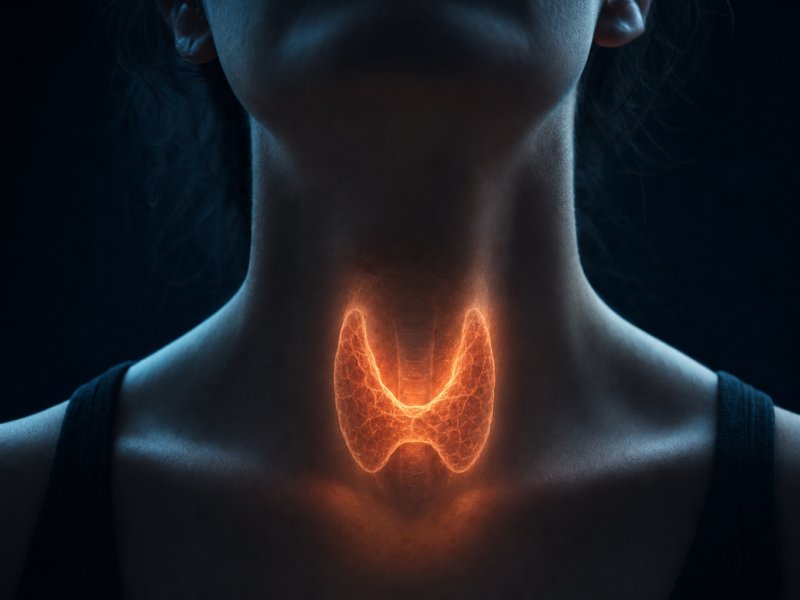
Hashimoto’s thyroiditis is an autoimmune condition where the immune system attacks the thyroid gland — and diet plays a significant role in managing the autoimmune activity driving it. While there’s no single “Hashimoto’s diet” with universal agreement, several dietary strategies have strong evidence for reducing antibody levels, improving thyroid function, and reducing symptom burden.
How Diet Affects Hashimoto’s
Hashimoto’s is an autoimmune condition, and autoimmunity is profoundly influenced by gut health. The gut houses 70% of the immune system, and intestinal permeability (leaky gut) is now recognised as a prerequisite for autoimmune disease development — it allows antigens to enter circulation and trigger immune responses against body tissues. For Hashimoto’s specifically, several dietary factors have direct evidence for modulating antibody levels and disease activity.
Hashimoto’s Diet: What to Focus On
1. Gluten-Free Diet
The relationship between gluten and Hashimoto’s is one of the most studied dietary interventions. Thyroid tissue shares molecular similarities with gliadin (gluten protein) — a phenomenon called molecular mimicry. When the immune system creates antibodies against gliadin, these antibodies may also attack thyroid tissue. Multiple studies show people with Hashimoto’s have significantly higher rates of non-coeliac gluten sensitivity. A 2019 RCT found a gluten-free diet significantly reduced thyroid antibody levels (TPO and TG antibodies) and improved thyroid function in people with Hashimoto’s without coeliac disease. At minimum, a 3-month gluten elimination trial is worthwhile.
2. Selenium
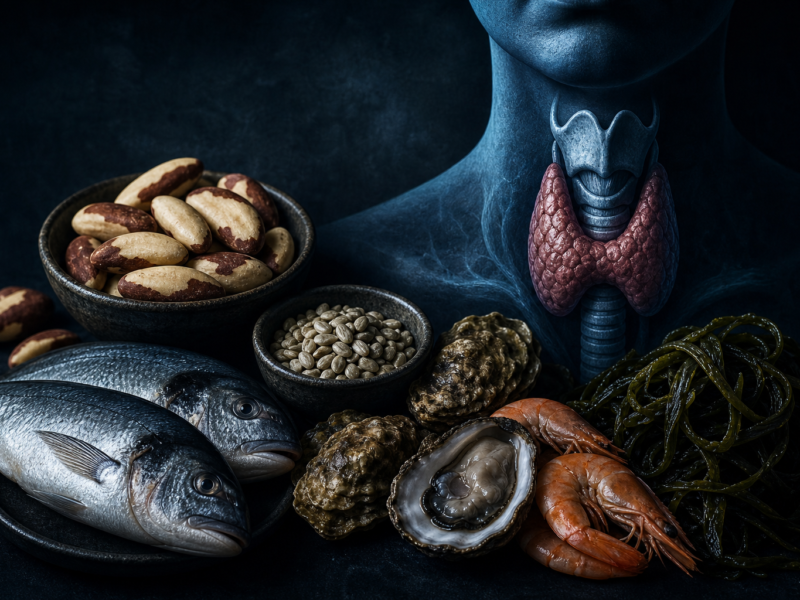
Selenium is the most evidence-backed nutrient for Hashimoto’s. The thyroid has the highest selenium concentration per gram of any organ — it’s required for thyroid hormone production, conversion of T4 to T3, and for selenoprotein P, which protects the thyroid from oxidative damage. Multiple RCTs show selenium supplementation (200mcg daily as selenomethionine) significantly reduces TPO antibody levels and improves quality of life in Hashimoto’s patients. Brazil nuts (2–3 daily) provide approximately 200mcg of selenium.
3. Anti-Inflammatory Foods
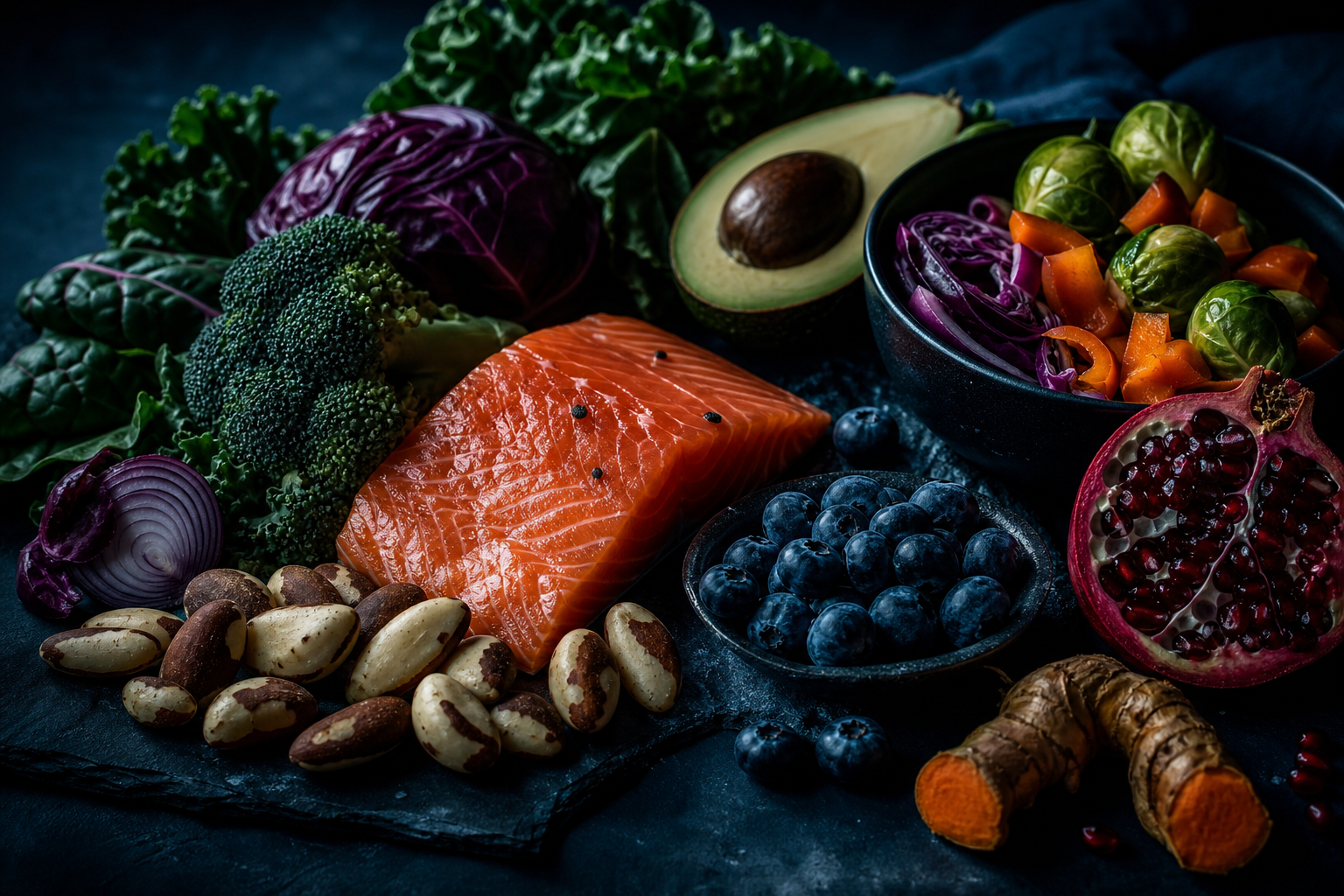
An anti-inflammatory dietary pattern reduces the immune dysregulation driving autoimmune attack. Priority foods: fatty fish (EPA/DHA reduce inflammatory cytokines), colourful vegetables (polyphenols), extra virgin olive oil (oleocanthal), turmeric (curcumin), and high-fibre prebiotic foods that support a diverse microbiome. The AIP (Autoimmune Protocol) diet is a structured elimination approach removing all common inflammatory triggers, with emerging evidence for improving Hashimoto’s symptoms.
4. Iodine — Nuanced Approach Required
Iodine is essential for thyroid hormone production, but the relationship with Hashimoto’s is complex. High iodine intake can worsen autoimmune thyroiditis by increasing thyroid peroxidase (TPO) activity and oxidative stress. Severe iodine deficiency also impairs thyroid function. The goal is adequate (not excessive) iodine — from moderate seafood consumption and iodised salt. Avoid high-dose iodine supplements unless specifically directed by an endocrinologist.
5. Gut Health
Healing intestinal permeability is fundamental to managing any autoimmune condition. Priority strategies: eliminate processed foods and alcohol (damage gut lining), increase prebiotic fibre (feeds anti-inflammatory gut bacteria), add fermented foods (kefir, sauerkraut, kimchi), supplement L-glutamine and zinc carnosine to repair the gut lining, and use a quality probiotic. A healthy gut microbiome is the foundation of a regulated immune system.
Foods to Limit or Avoid with Hashimoto’s
- Gluten — trial elimination for minimum 3 months; many people see significant antibody reduction
- Processed foods — drive gut dysbiosis and systemic inflammation
- Industrial seed oils — pro-inflammatory; replace with EVOO and avocado oil
- Refined sugar — drives inflammation and impairs immune regulation
- Excess raw cruciferous vegetables — contain goitrogens that may interfere with thyroid iodine uptake in large amounts; cooking deactivates most goitrogenic compounds
- Soy in large amounts — isoflavones may interfere with thyroid hormone synthesis; moderate amounts are unlikely to be a problem for most people
- Alcohol — suppresses thyroid function and drives gut permeability
Frequently Asked Questions
The most evidence-backed approach combines: a gluten-free diet (reduces TPO antibodies in multiple studies), adequate selenium (200mcg daily — from Brazil nuts or selenomethionine supplements), an anti-inflammatory whole foods diet, and gut healing strategies. The AIP (Autoimmune Protocol) diet is a structured option for people wanting a comprehensive elimination approach. Avoiding processed foods, seed oils, and excess refined sugar are universal priorities.
For many people, yes. Molecular mimicry between gliadin and thyroid tissue means antibodies against gluten may cross-react with thyroid tissue. Multiple studies show gluten-free diets reduce TPO antibody levels in Hashimoto’s patients, including those without coeliac disease. A strict 3-month gluten elimination trial with antibody testing before and after is the best way to determine individual response.
Best foods for Hashimoto’s: Brazil nuts (selenium), fatty fish (omega-3, selenium), leafy greens (antioxidants), colourful vegetables (polyphenols), fermented foods (gut microbiome support), extra virgin olive oil, turmeric and ginger (anti-inflammatory), and gluten-free whole grains (rice, quinoa, oats if tolerated). Focus on nutrient density and anti-inflammatory eating patterns.
This article is for informational purposes only. Hashimoto’s thyroiditis requires medical management — work with an endocrinologist or thyroid specialist alongside any dietary changes.
Related reading: How to Tell If You Have Thyroid Problems, Foods to Avoid With Hypothyroidism.
Further reading: Psyllium Husk: Complete 2025 Evidence Guide | Glucomannan Benefits and Uses

 Dr. Rachel Stone