


What “Fitness” Really Means (and Why It’s More Than Just the Gym)
When most people hear “fitness,” their mind jumps straight to six-pack abs, treadmills, or protein shakes. However, this comprehensive fitness guide reveals that true fitness is far more expansive—and far more important—than what you see in Instagram transformation posts.
This fitness guide explores your body’s ability to perform the activities you care about, recover from physical stress, and maintain health across the lifespan. It encompasses muscular strength, cardiovascular endurance, flexibility, body composition, and even mental resilience. Whether you want to play with your grandkids without getting winded, hike that mountain trail you’ve been eyeing, or simply feel more energized throughout your day, this fitness guide provides the foundation that makes it possible.
Breaking Down the Fitness Myths
One of the biggest myths? That fitness is only about weight loss or looking a certain way. While body composition changes can be part of your journey, they’re just one piece of a much bigger puzzle. You can be lean but lack the strength to lift your own body weight. Strong individuals sometimes get breathless climbing two flights of stairs. Real fitness means building a body that works well across multiple domains. This fitness guide will help you understand and achieve true holistic fitness.
What This Complete Guide Covers
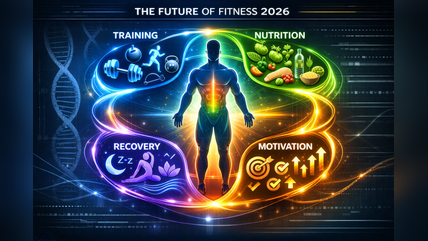
In this complete fitness guide for 2026, we’ll break down everything you need to know: how to set meaningful goals, build effective training programs that combine strength, cardio, and mobility, fuel your body without obsession, recover properly, and stay consistent through the mental challenges that trip up most people. Whether you’re a complete beginner or getting back into training after a break, this fitness guide will show you exactly how to start—and keep going.
Setting Your Fitness Guide Goals the Smart Way
Before you lace up your sneakers or meal-prep a single container, you need clarity on where you’re headed. Vague intentions like “get in shape” or “be healthier” feel nice but rarely translate into action. That’s where SMART fitness goals come in.
Understanding the SMART Framework
SMART stands for Specific, Measurable, Achievable, Relevant, and Time-bound. Instead of “lose weight,” a SMART goal would be “lose 12 pounds of body fat in 12 weeks by strength training three times per week and eating in a moderate calorie deficit.” Instead of “get stronger,” try “add 20 pounds to my squat in 8 weeks.”
This fitness guide emphasizes setting SMART goals as your foundation for success. Your goals should align with your real life, not some idealized version of it. For example, if you work 60-hour weeks and have two young kids, planning to train six days per week isn’t achievable—it’s a setup for failure and frustration. Instead, be honest about your time, energy, and current fitness level. A realistic goal you actually hit beats an ambitious one you abandon after two weeks.
Common Fitness Goals (Strength, Fat Loss, Performance, Health)
Most fitness goals fall into a few main categories, and understanding which camp you’re in helps you design the right program. This fitness guide will help you identify which goal category aligns with your priorities.
Strength and muscle building focuses on progressive resistance training, eating enough protein and total calories, and lifting heavier weights over time. Success might be measured by barbell numbers, muscle measurements, or how you look and feel in your clothes.
Fat loss requires you to maintain a calorie deficit while preserving muscle mass through strength training and adequate protein. Success here is measured by the scale, body measurements, progress photos, or how your clothes fit—but remember, the number on the scale doesn’t tell the whole story.
Performance goals might include running a faster 5K, completing a tough hiking trail, mastering a pull-up, or improving your vertical jump. These require sport-specific training and often blend strength, conditioning, and skill work.
Health-focused fitness prioritizes longevity, disease prevention, mobility, and feeling good. Training to lower blood pressure, improve cholesterol, manage stress, sleep better, and maintain independence as you age matters here. Metrics might include resting heart rate, blood work, or simply how you feel day-to-day.
Many people blend multiple goals, which is perfectly fine—just understand that trying to maximize everything at once (gain maximum muscle while losing maximum fat while setting PRs in running) often leads to spinning your wheels. Pick one or two primary focuses.
Why You Should Focus on One or Two Primary Goals
Trying to achieve everything simultaneously dilutes your efforts. Moreover, conflicting goals often require opposite nutritional strategies—fat loss demands a calorie deficit, while muscle building requires a surplus. Therefore, prioritize based on what matters most to you right now.
Assessing Your Starting Point Safely
Before diving into any fitness program, take an honest inventory of where you stand. This basic fitness assessment helps you choose appropriate exercises and avoid injury:
Activity level: Are you currently sedentary, lightly active, or already working out occasionally? This determines your starting intensity and volume.
Injury history: Old injuries, chronic pain, or movement limitations need to be worked around, not ignored. If you have a bad shoulder, overhead pressing might need to wait.
Medical conditions: Cardiovascular disease, diabetes, high blood pressure, pregnancy, or recent surgery all warrant a conversation with your doctor before starting or significantly ramping up exercise. The standard advice is to get medical clearance if you’re over 45 (men) or 55 (women) and starting vigorous exercise, or if you have any cardiac risk factors at any age.
Movement quality: Can you squat below parallel without pain? Touch your toes? Get up from the floor without using your hands? These simple tests reveal mobility and strength baselines.
Starting from zero is completely okay—everyone starts somewhere. The key is to begin at an appropriate level and progress gradually, not to jump into advanced programs that your body isn’t ready to handle. This fitness guide recommends consulting professionals when needed for your safety.
Your Fitness Guide to Training Fundamentals – Strength, Cardio, Mobility
A well-rounded fitness routine includes three core pillars: strength training, cardiovascular conditioning, and mobility work. Most people drastically over-emphasize one while neglecting the others, but your body needs all three to function optimally.
Strength Training – Build Muscle and Protect Your Joints
Strength training—using resistance to challenge your muscles—is arguably the most important component of any fitness program. This fitness guide prioritizes strength training as the cornerstone of any program. Here’s why: muscle mass determines your metabolic rate, protects your joints and bones, improves insulin sensitivity, makes daily activities easier, and keeps you independent well into old age.
Why Strength Training Matters as You Age
As we age, we naturally lose muscle (a process called sarcopenia) unless we actively work to maintain it. Fortunately, strength training is the only reliable way to build and preserve muscle tissue. Additionally, it increases bone density, reducing fracture risk—particularly important for women post-menopause.
How Often Should You Strength Train?
Most people should strength train 2-4 days per week, hitting all major muscle groups. You don’t need to spend two hours in the gym—effective sessions can be 30-45 minutes if you’re focused and efficient.
The Five Essential Movement Patterns
Your strength program should cover the fundamental human movement patterns:
- Squat: lowering your hips while bending your knees (goblet squats, barbell back squats, leg press)
- Hinge: bending at the hips while keeping your back neutral (deadlifts, Romanian deadlifts, kettlebell swings)
- Push: pressing weight away from your body (push-ups, bench press, overhead press)
- Pull: bringing weight toward your body (rows, pull-ups, lat pulldowns)
- Carry: holding weight and moving (farmer’s carries, suitcase carries)
You can add isolation work for arms, calves, or abs, but these five patterns form the foundation.
Sample Beginner Strength Routine (2–3 Days/Week)
Here’s a simple full-body workout you can do 2-3 times per week with at least one rest day between sessions. Start with light weights to learn the movements, then gradually increase resistance:
Workout A:
- Goblet squat: 3 sets of 8-10 reps
- Dumbbell bench press: 3 sets of 8-10 reps
- Bent-over dumbbell row: 3 sets of 8-10 reps per arm
- Romanian deadlift: 3 sets of 10-12 reps
- Plank: 3 sets of 20-30 seconds
- Farmer’s carry: 3 sets of 30-40 seconds
Workout B:
- Dumbbell step-ups: 3 sets of 8 reps per leg
- Push-ups (modify on knees if needed): 3 sets of 8-12 reps
- Seated cable row or resistance band row: 3 sets of 10-12 reps
- Dumbbell deadlift: 3 sets of 10 reps
- Dead bug: 3 sets of 10 reps per side
- Suitcase carry: 3 sets of 30 seconds per side
Alternate between Workout A and B each session. As you get stronger, add weight or reps gradually—this principle of progressive overload is how you force your body to adapt and grow.
Cardio and Conditioning – Heart, Lungs, and Stamina
Cardiovascular exercise trains your heart, lungs, and circulatory system to deliver oxygen and nutrients efficiently. This fitness guide recommends a balanced approach to cardiovascular conditioning. Beyond the obvious heart health benefits, regular cardio improves endurance for daily activities, aids in weight control, boosts mood, and enhances recovery between strength sessions.
Weekly Cardio Recommendations
Current public health guidelines recommend 150 minutes of moderate-intensity cardio per week (like brisk walking) or 75 minutes of vigorous cardio (like running or HIIT), or a combination. That breaks down to about 30 minutes five days a week for moderate activity, or 25 minutes three days a week for harder sessions.
Steady-State vs. HIIT Training
You have two main approaches:
Steady-state cardio means maintaining a consistent, moderate pace for an extended period—think 30-60 minute jogs, bike rides, or swims. This builds your aerobic base and is easier to recover from, making it ideal for most of your weekly cardio volume.
High-Intensity Interval Training (HIIT) alternates short bursts of hard effort with recovery periods. A classic example: sprint for 30 seconds, walk for 90 seconds, repeat 8-10 times. HIIT is time-efficient and effective for fat loss and conditioning, but it’s more demanding on your nervous system and requires more recovery.
For most people, a balanced mix works best: 2-3 steady-state sessions plus 1 HIIT session per week. Alternatively, stick with all steady-state if you’re a beginner or prioritizing recovery.
Cardio Options for Different Fitness Levels
Beginners or those with joint issues: Walking (outside or on a treadmill), swimming, water aerobics, cycling, elliptical, or rowing machine. These low-impact cardio options give you cardiovascular benefits without pounding your joints.
Intermediate: Jogging or running, group fitness classes (spin, kickboxing, dance), hiking with elevation, or circuit training that blends cardio and strength.
Advanced: Sprinting intervals, long-distance running, competitive sports, CrossFit-style workouts, or challenging trail running.
The best cardio is the one you’ll actually do consistently. If you hate running, don’t force it—find something you enjoy, whether that’s dancing, hiking, or playing recreational basketball.
Mobility, Flexibility and Core Stability
Mobility and flexibility training is the most neglected pillar, yet it’s critical for injury prevention, performance, and quality of life. Mobility refers to your ability to move joints through their full range of motion with control, while flexibility is just passive range.
Why Mobility Training Prevents Injuries
Good mobility ensures you can squat deep without your heels lifting, press overhead without arching your lower back excessively, or bend down to pick something up without risk. In contrast, poor mobility forces compensations that lead to pain and injury over time.
The Role of Core Stability
Core stability—the strength and coordination of the muscles around your spine—underpins almost every movement you make. A weak core compromises your strength lifts, increases injury risk, and contributes to back pain.
Weekly Mobility and Core Work
Weekly mobility work: Spend 10-15 minutes 3-4 times per week on dynamic stretches, yoga, foam rolling, or specific mobility drills for problem areas (tight hips, stiff thoracic spine, limited ankle mobility).
Core training: Include 2-3 core-focused sessions per week, either as part of your strength workouts or standalone. Prioritize anti-movement exercises (planks, dead bugs, Pallof presses) that teach your core to resist unwanted motion, rather than endless crunches.
Fitness Guide: Designing a Weekly Plan That Fits Your Life
Theory is nice, but you need a concrete weekly workout plan that fits your schedule and energy levels. This fitness guide provides templates you can customize to your schedule and goals. Here are two realistic templates—pick the one that matches your available time and commitment level.
2–3 Day “Minimalist” Fitness Plan
Perfect for busy people who want effective results with minimal time investment. This minimalist fitness plan focuses on the highest-value exercises and accepts that something is infinitely better than nothing.
Monday: Full-body strength training (40 minutes) Wednesday: Full-body strength training (40 minutes)
Saturday: 30-45 minutes moderate cardio (walk, bike, swim) + 10 minutes mobility
This gives you two quality strength sessions hitting all major muscle groups, plus one cardio day to maintain heart health. Total weekly time: about 2.5 hours.
If you can squeeze in one more day, add either a third strength session or a second cardio day on Friday.
4–5 Day “All-Rounder” Fitness Plan
This balanced workout routine gives you more training variety and volume for faster progress, ideal if you have 4-5 hours per week to dedicate to fitness.
Monday: Upper body strength (45 minutes) Tuesday: 30 minutes moderate cardio + 10 minutes core work Wednesday: Lower body strength (45 minutes) Thursday: Active recovery (20-30 minutes easy walk or yoga) Friday: Full-body strength or HIIT conditioning (40 minutes) Saturday: 45-60 minutes moderate cardio + 15 minutes mobility Sunday: Complete rest
This plan gives you three strength days (with upper/lower split for more volume per muscle group), two moderate cardio days, one HIIT option, and dedicated recovery work. Total weekly time: 4-5 hours.
Customizing Your Weekly Schedule
Remember: these are templates, not commandments. Consequently, you should shift days around to fit your work schedule, family obligations, and energy patterns. Ultimately, consistency over months matters far more than perfect execution every single week.
Your Complete Fitness Guide to Nutrition – Fueling Results Without Obsession
You cannot out-train a bad diet. Indeed, nutrition plays a massive role in your fitness results, body composition, recovery, and how you feel during workouts. This fitness guide shows you how to fuel your training and goals without making food a source of stress. But you also don’t need to eat like a bodybuilder or track every macro forever.
Calories and Energy Balance – Eat for Your Goal
At the most basic level, body weight change comes down to energy balance:
- Calorie deficit (eating less than you burn) leads to fat loss
- Calorie maintenance (eating roughly what you burn) maintains weight
- Calorie surplus (eating more than you burn) supports muscle gain
Fat Loss Strategy
For fat loss, create a moderate deficit of 300-500 calories per day through a combination of eating less and moving more. This pace (roughly 1-2 pounds per week maximum) preserves muscle mass and is sustainable. In contrast, crash diets that promise faster results typically lead to muscle loss, metabolic adaptation, and eventual rebound. This fitness guide emphasizes sustainable approaches over extreme dieting.
Muscle Building Approach
For muscle gain, you need a slight surplus—maybe 200-300 extra calories per day—combined with progressive strength training. Yes, you’ll gain some fat along with muscle, but that’s normal. Trying to build muscle in a deficit is extremely difficult for anyone past the beginner stage.
Maintenance and General Health
For maintenance and general health, eat approximately what you burn. Focus on food quality, consistent protein, and listening to hunger cues rather than obsessing over exact numbers.
Calculating Your Calorie Needs
How do you know your calorie needs? Online calculators give rough estimates based on age, gender, weight, and activity level. Start there, track your weight and measurements for 2-3 weeks, then adjust based on results. If the scale isn’t moving and you want fat loss, you’re not in a deficit yet—cut 200-300 more calories and reassess.
Your Fitness Guide to Finding Your Numbers
Use online TDEE (Total Daily Energy Expenditure) calculators as starting points. Track consistently for 2-3 weeks, then make small adjustments based on actual results rather than calculator predictions.
Protein, Carbs, and Fats – Getting the Mix Right
Once calories are sorted, macronutrient distribution matters for results, recovery, and satiety.
Protein for Muscle
Protein for muscle: Aim for 0.7-1 gram per pound of body weight daily if you’re strength training or trying to lose fat while preserving muscle. Protein is the building block of muscle tissue, keeps you full, and has a higher thermic effect (your body burns calories digesting it). Excellent sources include: chicken, fish, lean beef, eggs, Greek yogurt, cottage cheese, tofu, legumes, and protein powder.
Carbs for Workouts
Carbs for workouts: Carbohydrates fuel high-intensity training and replenish muscle glycogen. If you’re active, you need carbs—don’t buy into the idea that they’re inherently bad. Focus on minimally processed sources: rice, oats, potatoes, sweet potatoes, quinoa, fruit, and whole grains. Active people might eat 150-300+ grams daily depending on body size and training volume. Lower-carb approaches (50-100g) can work for sedentary people or those prioritizing fat loss, but they usually hinder workout performance.
Healthy Fats for Fitness
Healthy fats for fitness: Fats support hormone production (including testosterone and estrogen), nutrient absorption, and brain function. Get 20-35% of your calories from fat, prioritizing sources like olive oil, avocado, nuts, seeds, fatty fish, and eggs. Don’t fear dietary fat—it’s essential, and it doesn’t automatically make you fat. Excess calories do.
A simple starting split for active individuals: 40% carbs, 30% protein, 30% fat. Adjust based on personal preference, goals, and how you feel.
Simple, Fitness-Friendly Meal Structure
Forget complicated meal plans. Use this easy plate framework for most meals:
- Palm-sized protein source: chicken breast, salmon, lean beef, tofu, eggs
- Fist-sized serving of colorful vegetables: broccoli, peppers, spinach, carrots, mixed greens
- Cupped-hand of smart carbs: rice, potato, oats, fruit (adjust portion based on goals)
- Thumb-sized portion of healthy fats: olive oil on veggies, avocado, nuts
Pre and Post-Workout Nutrition
Pre-workout meal (1-2 hours before): Moderate protein + easily digestible carbs. Examples: Greek yogurt with berries and granola, turkey sandwich on whole grain bread, oatmeal with protein powder.
Post-workout nutrition: Protein + carbs within a few hours after training. Your muscles are primed to absorb nutrients for recovery. Examples: protein shake with a banana, chicken and rice bowl, eggs and toast.
Healthy snack ideas: Protein bar, apple with almond butter, cottage cheese, beef jerky, mixed nuts, hard-boiled eggs, protein smoothie.
This flexible framework works whether you eat three meals or five, prefer batch cooking or fresh prep, or follow any specific dietary approach (Mediterranean, plant-based, paleo-ish, etc.). The key principles remain the same.
Recovery, Sleep and Stress Management – The Missing Fitness Superpowers
Here’s the truth nobody wants to hear: you don’t build muscle during the workout. You break muscle down during training, then your body repairs and strengthens it during recovery. This fitness guide treats recovery as equally important as training itself. Skip recovery, and you’ll see diminishing returns no matter how perfect your training and nutrition are.
Why Recovery Matters More Than You Think
During deep sleep, your body releases growth hormone, repairs muscle tissue, consolidates learning (including motor patterns from your workouts), regulates appetite hormones, and clears metabolic waste from your brain.
Sleep Habits for Better Performance and Body Composition
Sleep is the most powerful performance-enhancing drug that’s completely legal and free. This fitness guide considers sleep your most powerful recovery tool. Therefore, active adults should aim for 7-9 hours of quality sleep per night. Furthermore, research consistently shows that people who sleep less than 7 hours have reduced muscle protein synthesis, increased cortisol, impaired glucose metabolism, increased hunger (especially for junk food), and worse workout performance.
Practical Sleep Hygiene Tips
Practical sleep hygiene tips:
- Set a consistent sleep schedule, even on weekends
- Make your bedroom dark, quiet, and cool (65-68°F is ideal)
- Avoid screens 30-60 minutes before bed (blue light suppresses melatonin)
- Limit caffeine after 2 PM
- Don’t eat huge meals right before bed
- Use your bed only for sleep (and sex), not work or TV
- If your mind races, try a brain dump journal before bed
If you’re struggling to see results despite training hard and eating right, look at your sleep first. Poor sleep can single-handedly sabotage fat loss, muscle gain, and performance.
Active Recovery and Rest Days
Rest days don’t mean lying on the couch eating chips (though sometimes that’s fine). Instead, active recovery—light movement that increases blood flow without creating significant fatigue—can actually enhance recovery better than complete rest.
Active Recovery Ideas
Active recovery ideas:
- 20-40 minute easy walk
- Gentle yoga or stretching routine
- Easy bike ride or swim
- Foam rolling session
- Light recreational activities (easy hike, casual sports)
The goal is movement that makes you feel better, not more tired. Keep your heart rate low, avoid anything intense, and focus on enjoyment.
Planning Your Rest Days
Your recovery day routine might look like: 30-minute morning walk, 15-minute evening mobility session, and extra attention to sleep and nutrition. This helps flush metabolic waste, reduces muscle soreness, and keeps you moving without adding training stress.
How many rest days do you need? Most people thrive on 1-2 complete rest days per week, with another 1-2 active recovery days. If you’re training intensely 5-6 days per week, those rest days are non-negotiable for adaptation.
Stress, Cortisol and Stalled Progress
Chronic stress is a silent progress killer. When you’re stressed, your body pumps out cortisol—a hormone that, in excess, breaks down muscle tissue, promotes fat storage (especially around the midsection), disrupts sleep, increases appetite, and impairs recovery.
How Total Stress Load Affects Your Training
Your body doesn’t distinguish between “good” stress (hard training) and “bad” stress (work deadlines, relationship problems, financial worry). Essentially, it all adds up. Consequently, if you’re training hard, sleeping poorly, eating in a steep deficit, and dealing with major life stress, something has to give—usually your fitness progress.
Stress-Management Strategies That Work
Stress-management strategies that work with training:
- Practice daily breathwork or meditation (even 5-10 minutes helps)
- Spend time outside in nature
- Maintain social connections and ask for support when you need it
- Set boundaries around work and screen time
- Engage in hobbies unrelated to fitness
- Consider reducing training volume during high-stress periods
Remember: more training isn’t always better. If you’re chronically stressed, exhausted, and not recovering, cutting back to 3-4 quality sessions per week might yield better results than grinding through 6 mediocre ones.
Fitness Guide to Motivation, Mindset and Consistency – Staying on Track Long Term
Motivation gets you started, but systems and habits keep you going. In fact, relying on motivation alone is like hoping for perfect weather every day—sometimes it’s there, often it’s not. This fitness guide focuses on systems and habits rather than relying on motivation alone. The people who succeed long-term build structures that work even when they don’t “feel like it.”
Habit Loops and Tiny Wins
The most sustainable approach to fitness is to stop treating it as a temporary project and start building it into your identity. Specifically, rather than “trying to get fit,” you’re becoming a person who moves their body regularly, prioritizes protein, and values recovery.
Start Small for Big Results
Start with ridiculously small steps. Instead of committing to hour-long workouts five days a week (which you’ll probably abandon by week three), commit to 10 minutes of movement daily. That’s it. Ten minutes is achievable even on your worst day, and success breeds more success.
The Power of Habit Stacking
Habit stacking works brilliantly for fitness. Attach your new behavior to an existing routine:
- “After I pour my morning coffee, I do five minutes of mobility work”
- “After I drop the kids at school, I go straight to the gym”
- “After dinner, I walk the dog for 20 minutes”
Building Your Fitness Guide Habits
The key to habit stacking is making the new behavior so small and automatic that it requires minimal willpower. Once the habit is established, you can gradually increase duration and intensity.
Celebrate Progress, Not Perfection
Celebrate consistency over perfection. Did three workouts this week instead of your planned four? That’s a win. Ate mostly protein-rich meals even though you had pizza Friday night? Win. Progress isn’t linear, and the all-or-nothing mindset kills more fitness journeys than anything else.
Track small victories: “I did all three workouts this week,” “I chose the stairs instead of the elevator,” “I meal-prepped on Sunday.” These tiny wins compound into major transformations over months and years.
Overcoming Common Fitness Roadblocks
Let’s address the obstacles that derail most people and give you solutions:
“I don’t have time to work out”: You have time for what you prioritize. Can you find 30 minutes three times a week? That’s 1.5% of your week. If truly not, try the minimalist two-day plan. Alternatively, break workouts into 10-minute chunks throughout the day. Remember, something beats nothing, always.
“I’m too tired after work”: Train in the morning before decision fatigue hits. Otherwise, do lighter sessions when you’re tired instead of skipping entirely. Additionally, examine your sleep, nutrition, and stress—chronic fatigue signals something needs attention.
“I get bored easily”: Variety is fine. Rotate between different activities, try new classes, or change your workout split every 6-8 weeks. However, ensure you’re still following progressive overload principles for strength work.
“I can’t stay fit while traveling”: Pack resistance bands, use hotel gyms, do bodyweight workouts in your room, or simply walk extensively. Many of the best training sessions require zero equipment—push-ups, squats, lunges, planks, and burpees work anywhere.
“I got injured and lost momentum”: Injuries happen. Work around them—hurt your knee? Focus on upper body. Bad shoulder? Train legs harder. Consult a physiotherapist for rehab exercises. The worst thing you can do is stop everything because one body part is compromised.
The common thread? Problems have solutions if you’re willing to adapt instead of quit. Rigid plans break; flexible systems bend and persist.
Safety First – When to Get Professional Help
Fitness should enhance your health, not destroy it. This fitness guide prioritizes your health and safety above all else. While most people can start a sensible exercise program without issue, certain situations warrant professional input before you begin.
When to Talk to Your Doctor
Talk to your doctor before starting or significantly ramping up exercise if you:
- Are over 45 (men) or 55 (women) and have been inactive
- Have known heart disease, high blood pressure, or diabetes
- Experience chest pain, dizziness, or shortness of breath with minimal exertion
- Are pregnant or recently gave birth
- Have bone or joint problems that could worsen with exercise
- Take medications that might affect heart rate or blood pressure response to exercise
Getting Medical Clearance for Exercise
This isn’t about getting permission—it’s about gathering information to train safely and effectively. Furthermore, your doctor might recommend modifications, prescribe exercise as treatment, or give you the green light with specific guidelines.
Warning Signs to Stop Exercise Immediately
During or after workouts, watch for these dangerous exercise symptoms that require immediate attention:
- Chest pain, pressure, or tightness (call emergency services)
- Severe shortness of breath that doesn’t resolve quickly with rest
- Dizziness, lightheadedness, or feeling faint
- Irregular or rapid heartbeat that feels wrong
- Sudden, severe pain anywhere, especially accompanied by swelling
- Numbness or tingling in limbs, especially if one-sided
- Severe headache, especially if sudden onset during exertion
- Nausea and vomiting during or immediately after exercise
Some discomfort is normal—muscle burn during hard sets, mild soreness the next day, heavy breathing during cardio. But trust your gut. If something feels seriously wrong, it might be. Better to stop and check it out than push through a heart attack or stroke.
When to Hire a Trainer or Coach
You don’t need a personal trainer to get fit, but professional guidance can be valuable in specific situations:
Benefits of a fitness coach:
- Learning proper exercise technique to avoid injury
- Accountability when self-motivation fails
- Customized programming for complex goals or limitations
- Faster progress through expert guidance
- Navigating injuries or health conditions safely
- Breaking through plateaus
Consider hiring a trainer or coach if you’re completely new and overwhelmed, have a complex goal (like bodybuilding competition prep), are working around injuries, or have tried multiple times on your own without success. Even 4-8 sessions to learn the basics can set you up for years of independent training.
Good trainers teach you to fish rather than creating dependence. If you’ve been with a coach for six months and still don’t understand why you’re doing certain exercises or how to modify when life happens, that’s a red flag.
Your Fitness Guide Blueprints for Different Experience Levels
Let’s put everything together with concrete example plans. This fitness guide provides three concrete example plans—choose the one that matches your current situation.
Beginner “Foundations” Blueprint (0–6 Months)
Primary goal: Build consistency, learn movement patterns, establish baseline fitness
Training schedule (minimalist 3-day plan):
- Monday: Full-body strength (30-40 min)
- Wednesday: Full-body strength (30-40 min)
- Saturday: 30-minute walk or easy cardio + 10-minute stretching
Strength training: Use the beginner routine provided earlier, focusing on goblet squats, push-ups or dumbbell presses, rows, deadlifts, and core work. Start with light weights that allow perfect form for 8-10 reps. Add weight only when you can complete all sets with good technique.
Cardio: Keep it simple and enjoyable. Walk, bike, or swim at a pace where you can hold a conversation. Don’t worry about intensity yet.
Nutrition: Eat three balanced meals using the plate framework (protein + veggies + carbs + fats). Track nothing—just focus on getting adequate protein (palm-sized portion with each meal) and avoiding extreme hunger or fullness.
Progression: After 6-8 weeks of consistency, add a fourth training day or increase weights by 5-10%. Importantly, the goal is gradual, sustainable progress, not heroic efforts that lead to burnout.
Intermediate “Progress” Blueprint (6–18 Months)
Primary goal: Build strength, improve body composition, develop athletic capacity
Training schedule (4-5 day plan):
- Monday: Upper body strength
- Tuesday: 30-minute moderate cardio
- Thursday: Lower body strength
- Friday: Full-body or HIIT conditioning
- Saturday: 45-minute cardio + mobility work
Strength training: Transition to upper/lower split or push/pull/legs for more volume per muscle group. Implement progressive overload systematically—add reps, sets, or weight every 1-2 weeks. Track your workouts in a notebook or app.
Cardio: Mix steady-state and one HIIT session weekly. Challenge yourself—run a 5K, try a spin class, or train for a local race.
Nutrition: If you have specific body composition goals, track calories and protein for 4-6 weeks to understand portions. Aim for 0.8-1g protein per pound of body weight and adjust total calories based on whether you want to lose fat (deficit) or gain muscle (slight surplus).
Progression: Set performance targets—add 50 pounds to your deadlift, do your first unassisted pull-up, or run a sub-30-minute 5K. Ultimately, these objective goals keep you motivated beyond appearance.
Returning After a Layoff or Injury
Primary goal: Rebuild safely without reinjury or burnout
The biggest mistake: Trying to pick up where you left off. Your previous max squat doesn’t matter if you’ve been sedentary for a year. Check your ego at the door.
Training schedule: Start with the beginner blueprint for 4-6 weeks, even if you were advanced before. Use it to assess movement quality, rebuild work capacity, and identify any lingering issues.
Managing expectations: Plan to reach 70% of your previous fitness in the first 2-3 months, but accept that full recovery might take 6-12 months depending on layoff length. “Muscle memory” is real—you’ll regain strength faster than building it initially—but it still takes time.
Medical clearance: If you’re returning after injury, get formal clearance from your doctor or physiotherapist. Follow their recommendations for exercise modifications, and don’t rush the rehab process.
Nutrition: Don’t drastically change eating along with ramping training. If you’ve been sedentary, your body needs time to adjust to increased activity. Maintain current intake for a few weeks, then make small adjustments based on goals.
Frequently Asked Questions – Fitness Basics and Beyond
This fitness guide addresses the most common questions beginners ask about starting and maintaining their fitness journey.
How many days per week should I work out as a beginner?
Start with 2-3 days of strength training per week, plus 1-2 days of light cardio like walking. This gives your body adequate recovery time while building consistency. You can always add more later.
What’s more important for fat loss: diet or exercise?
Diet creates the calorie deficit required for fat loss—you cannot out-train a bad diet. However, exercise preserves muscle mass, burns additional calories, and improves health markers. Ultimately, both are needed, but if forced to choose, controlling food intake matters more for the scale.
How long until I see visible fitness results?
Most people notice strength improvements within 2-3 weeks, energy and mood boosts within 1-2 weeks, and visible body composition changes around 6-8 weeks with consistent training and nutrition. Patience is critical—transformation happens in months and years, not days.
Essential Fitness Guide Questions Answered
Do I need a gym membership to get fit?
No. Bodyweight exercises, resistance bands, and free weights at home can build impressive fitness. Gyms offer equipment variety, structured environment, and sometimes social motivation, but they’re not required. Many excellent programs require zero equipment.
How much protein do I need if I work out?
Aim for 0.7-1 gram per pound of body weight daily if you’re strength training regularly. A 150-pound person should target 105-150g of protein daily. Spread it across meals for optimal muscle protein synthesis.
Is cardio or strength training better for overall health?
Both matter, and research supports doing both. Specifically, strength training builds muscle, bone density, and metabolic health. Meanwhile, cardio protects your heart and lungs. Therefore, the healthiest people do a mix—aim for at least 2 strength sessions and 150 minutes of moderate cardio weekly.
Can I train when I’m sore or should I rest?
Mild to moderate soreness is fine to train through, especially if you warm up properly. Severe soreness that limits range of motion suggests you need more recovery. Training different muscle groups works well—sore legs? Do upper body. Listen to your body’s signals.
What’s the safest way to start if I haven’t exercised in years?
Start with low-impact activities like walking and basic bodyweight exercises. Get medical clearance if you have health concerns. Hire a trainer for 4-8 sessions to learn proper form. Progress gradually—your enthusiasm will outpace your body’s readiness, so practice patience.
Putting It All Together – Your Next 30 Days of Fitness
You’ve absorbed a lot of information. Now it’s time to act. Here’s your simple fitness action plan for the next month:
Week 1: Clarify and Prepare
- Choose 1-2 primary goals (strength, fat loss, or general health)
- Select either the minimalist or all-rounder training template
- Schedule your workout days in your calendar like important appointments
- Stock your kitchen with protein sources and vegetables
- Get whatever basic equipment you need (dumbbells, resistance bands, gym membership)
Weeks 2-3: Build the Habit
- Complete every planned workout, even if some are shorter than ideal
- Focus on perfect form over heavy weights
- Eat protein with every meal
- Prioritize 7-8 hours of sleep per night
- Track your workouts in a simple notebook (exercises, sets, reps, weight)
Week 4: Review and Adjust
- Assess how you feel: energy, soreness, enjoyment, adherence
- Take progress photos and measurements
- Make one small adjustment: add 5 pounds to a lift, swap an exercise you hate, add an extra walk
- Decide if you’re ready to continue another month (you probably are)
That’s it. Not sexy, not complicated, but this simple 30-day fitness plan works because it’s realistic and focuses on what actually matters: showing up consistently, moving well, eating adequately, and recovering properly.
The Long-Term Mindset
Fitness isn’t a destination—it’s a practice you refine over a lifetime. Some weeks will be great, others will be hard. Setbacks, injuries, life chaos, and moments of doubt will come. That’s all normal. What separates people who transform their fitness from those who don’t isn’t talent or genetics—it’s the ability to start again after falling off, to adjust the plan when life changes, and to play the long game.
Start today. Not next Monday, not after the holidays, not when you “feel ready.” Start now with something small—a 20-minute walk, ten push-ups, a single healthy meal. Build from there.
Your body is the only place you have to live. Treat it with the respect and care it deserves.